Clinic Workflow Bottlenecks: How to Identify and Eliminate Them

Clinic Workflow Bottlenecks: How to Identify and Eliminate Them

Overview

Delays in patient care, overworked staff, and revenue loss are symptoms of broken clinic workflows. A practical guide to identifying and fixing workflow bottlenecks through automation, dashboards, and metric discipline.

Introduction

Delays and inefficiencies in clinical workflows are more than just a nuisance — they cost time, money, and patient satisfaction. Operational inefficiencies compound quietly across a year, often invisible in the P&L until they show up as staff burnout or patient complaints. Optimising workflows is now essential to sustainable clinic operations.

Identifying Workflow Bottlenecks

Before solving inefficiencies, you must recognise them. Common signs include:
  • Long patient wait times due to poor scheduling or outdated processes
  • Repetitive manual tasks like appointment confirmations or billing follow-ups that eat staff hours
  • Inefficient staff allocation causing idle time in some hours and burnout in others
  • Delayed documentation because EMR entries are slow or awkward — leading to end-of-day catch-up work
  • Low patient throughput despite available time slots on the schedule

How Workflow Automation Addresses These Bottlenecks

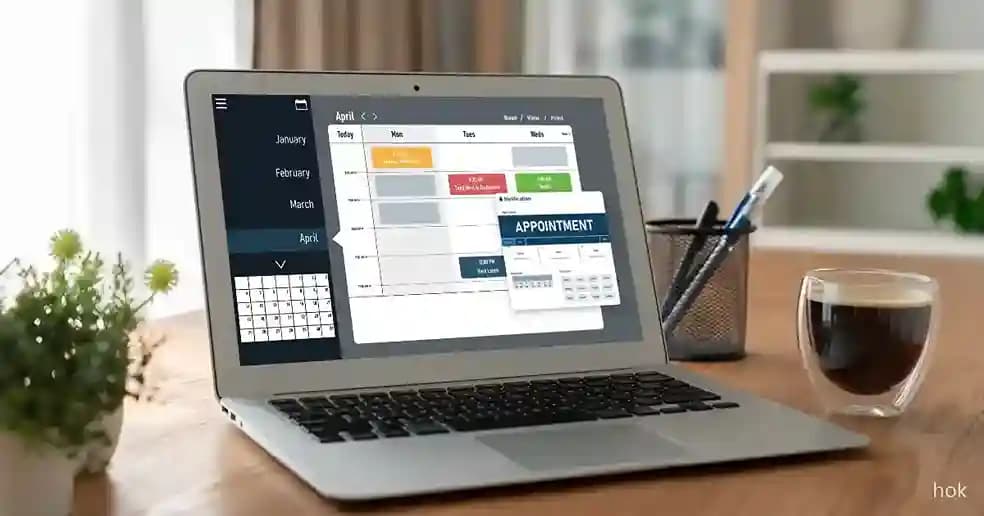
  1. Automated scheduling and check-ins: reduce queues with SMS/WhatsApp reminders and digital self-check-in
  2. Integrated EMR and PMS: reduces duplicate data entry and speeds record retrieval across scheduling, records, and billing
  3. Structured note templates: shorten documentation time per consult by standardising the routine elements
  4. Digital dashboards: real-time staff availability and patient-flow visibility improves coordination during high-volume hours
  5. Automated reporting: catches inefficiency trends early — before they compound into revenue loss

Key Metrics to Monitor

Keep an eye on:
  • Median patient wait time (median beats average — averages are skewed by outliers)
  • Staff-to-patient ratio efficiency during peak hours vs off-peak
  • No-show percentage — a spike suggests reminder workflow is broken
  • Time spent on documentation per consult — a proxy for EMR-workflow friction
  • Daily patient throughput trends week over week

Conclusion

Workflow issues rarely show up on a P&L until months after they start hurting operations, but the daily signs are clear: staff overtime, patient complaints, slipping metrics. Pick one bottleneck at a time, fix it at the workflow level, measure the effect for a month, then move to the next. Ambitious end-to-end transformations tend to stall halfway; steady bottleneck-at-a-time work almost always ships.

About Zocvi

Zocvi connects patients with verified doctors and evidence-based health guidance. Visit zocvi.com or reach us on WhatsApp at +91-92724-57637.


Follow Zocvi

Stay connected with Zocvi for expert health advice. Follow us on Facebook, LinkedIn, and Instagram.

Frequently Asked Questions

What is a clinic workflow bottleneck?

It’s a step in your process—like scheduling, documentation, or communication—that creates delays or inefficiencies.

How can workflow automation help my clinic?

It eliminates repetitive tasks, reduces human error, and improves both patient experience and staff productivity.

Which areas can be automated in my clinic?

Common ones include appointment scheduling, billing, reminders, EMR updates, and reporting.

How do I know if my PMS is efficient?

Check for signs like reduced data duplication, short documentation time, and seamless module integration.

How often should a clinic reassess its workflow for bottlenecks?

Quarterly at minimum, and after any material operational change (new doctor, new service line, new location, EMR upgrade). Bottlenecks shift as volume grows or specialties are added — a workflow that worked at 30 appointments per week often breaks at 100. Build the review into standing operations rhythm rather than treating it as a one-off project.

Questions About This Article

Have a question? Ask the author directly.

Have a question about this article?

Ask Zocvi Editorial directly. Your question may help others with similar concerns.

Q:1 answer
Q:1 answer
Q:1 answer
Q:1 answer
Q:1 answer

Comments (0)

Found this helpful? Share it!

LinkedInWhatsApp

More from Zocvi Editorial

Other Articles You May Like

Related Topics

Find a Doctor for Operational Efficiency

Verified specialists across India

Dr. Saloni Kabra

Homoeopath

7 yrs

Indore

Homeopathic Hooman Clinic
Chhatribag, Near Shri Devi Ahilya Shishu Vihar School, Indore, Madhya Pradesh, 452002
₹800 consultation
EmailWhatsApp

Dr. Ambuj Arora

Dentist

12 yrs

Muzaffarnagar

12, Dr Suresh Medical Complex, Bhagat Singh Road, Muzaffarnagar
Nabab Ganj, Muzaffarnagar, Uttar Pradesh, 251002
₹250 consultation

Dr. Rajan Bhargava

ENT Specialist

30 yrs

Kanpur

Dr. Rajan Bhargava Clinic
Brahm Nagar, Kanpur, Uttar Pradesh, 208012
₹700 consultation

Dr. Krishna Singh

Pulmonologist & Chest Physician

16 yrs

Bhopal

Siddhanta Red Cross Superspeciality Hospital
Nayapura, Bhopal, Madhya Pradesh, 462030
₹500 consultation