Automated Follow‑Up Reminders – Clinic Benefits

Automated Follow‑Up Reminders – Clinic Benefits

Overview

Missed follow-ups quietly reduce patient retention and cost revenue over time. Practical guide to automating clinic follow-up and reminder workflows — cadence, integration, and what actually works.

Introduction

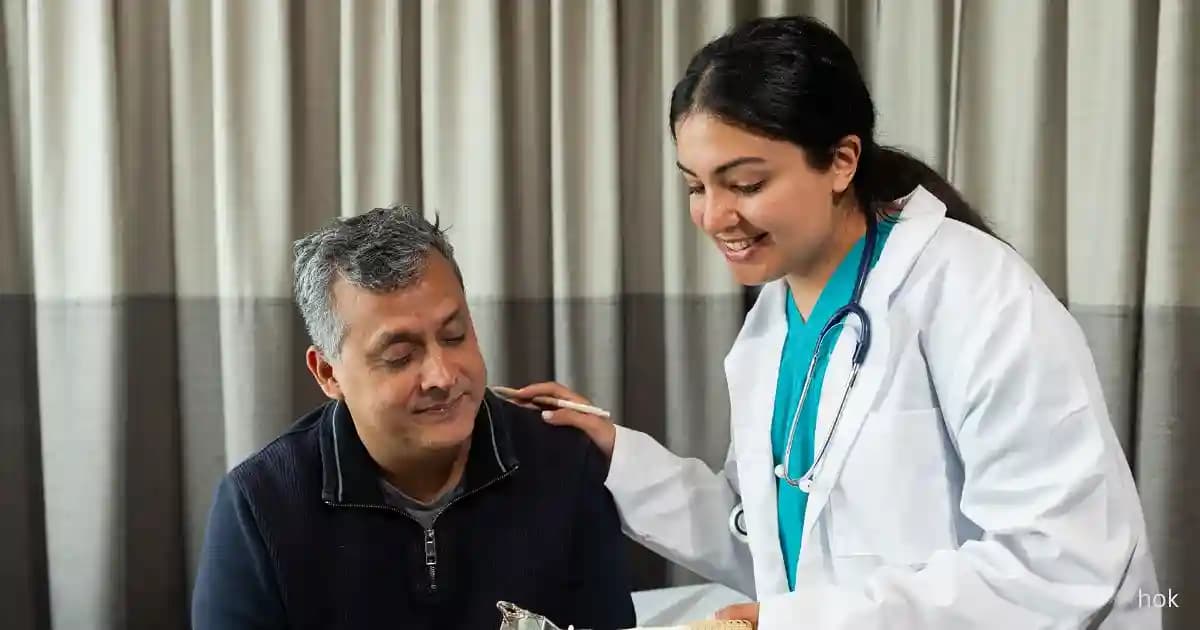
Missed follow-ups directly impact patient care and revenue. Clinics lose not just money—but patient trust. An automated reminder system ensures patients return on time and staff stay focused on care, not chasing appointments.

The Cost of Missed Follow-Ups

Follow-up visits are essential for managing chronic conditions and monitoring recovery. When patients skip follow-ups, care outcomes degrade and revenue from the missed visits vanishes without any obvious signal in the P&L. Compound the impact across a year — hundreds of missed chronic-care follow-ups per doctor — and the loss is material in both revenue and care quality.

Why Automation Is the Solution

Manual follow-ups are time-consuming and prone to slipping through the cracks. Automation helps by:
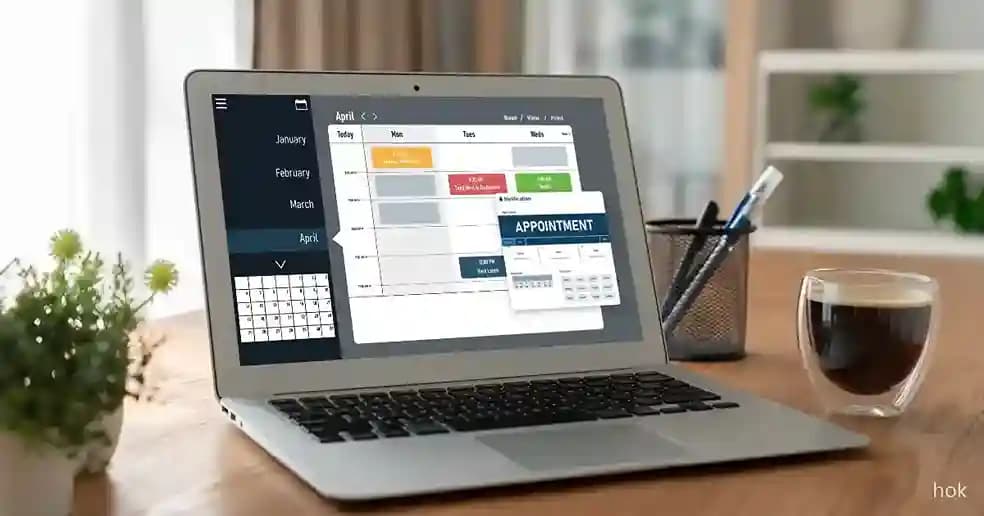
  • Sending SMS, email, or WhatsApp reminders on a defined cadence
  • Triggering recurring check-up notifications for chronic-care patients (30-day, 90-day intervals tied to condition)
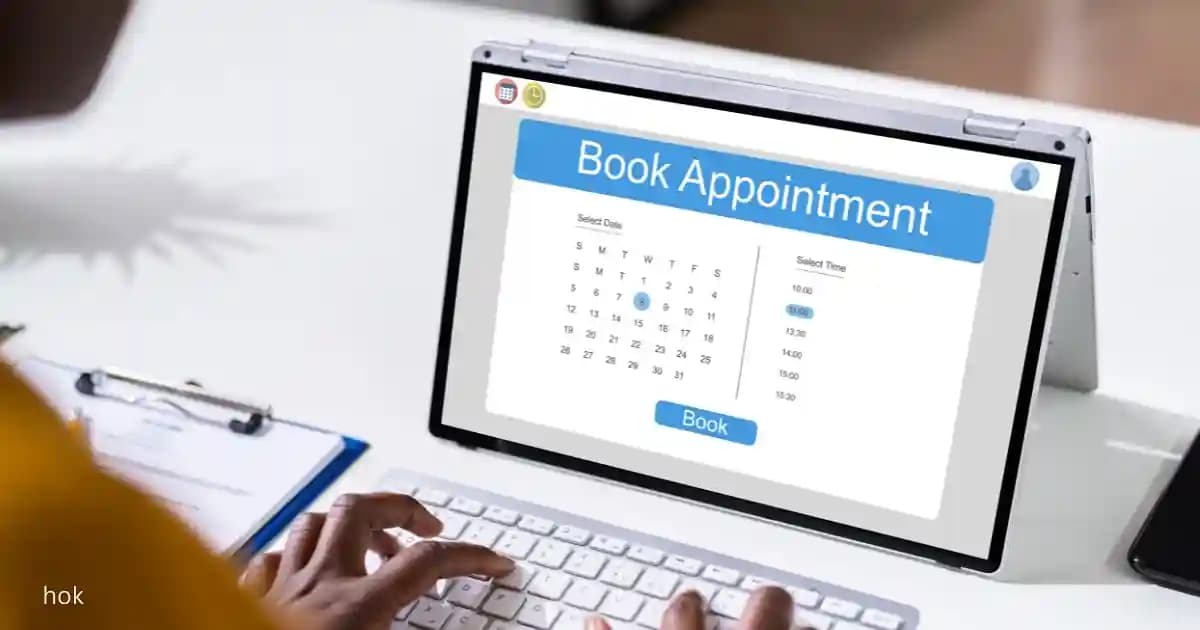
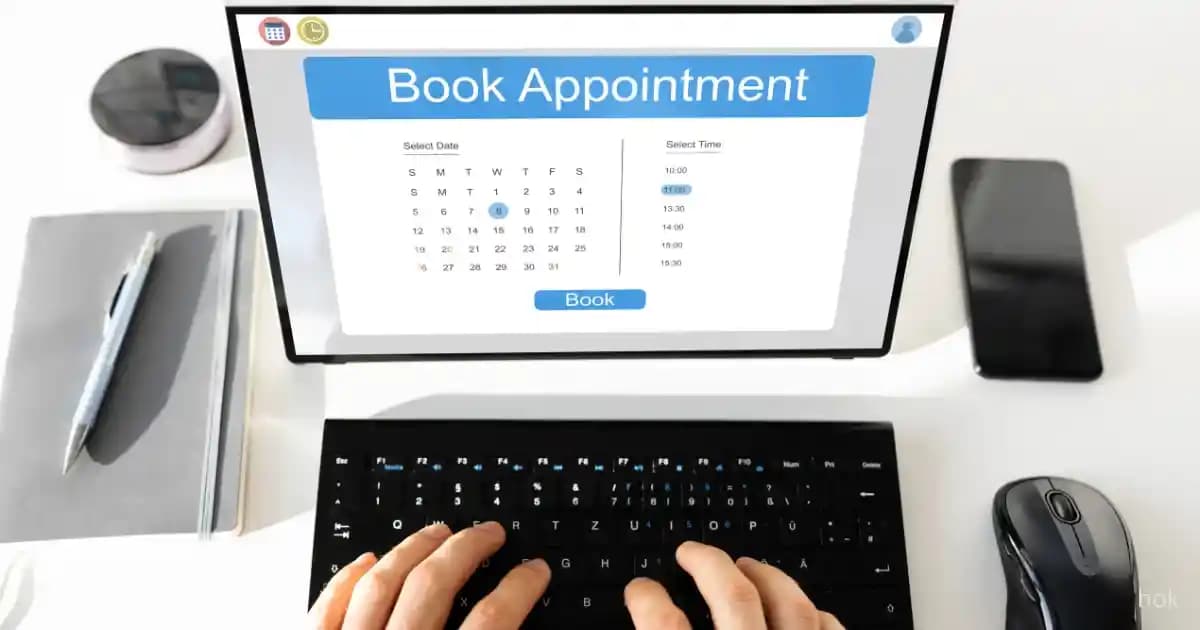
  • Making rescheduling one-click for missed visits
  • Tracking patient responses in real time so staff know who's engaged and who's lapsed
Well-tuned automated reminders measurably reduce no-show rates in follow-up appointments.

Cadence Design: What Actually Works

The cadence matters more than the tool.
  • Routine follow-up: single reminder 24-48 hours before appointment via WhatsApp with one-tap confirm
  • Chronic-care recurring follow-up: 7-day advance reminder + 24-hour reminder; align cadence to the chronic-care review interval (typically 30 or 90 days for diabetes/hypertension)
  • Post-op check-in: day 3 and day 7 non-urgent check-ins; escalation path if the patient reports concerns
  • Missed appointment recovery: gentle 24-hour follow-up asking if they want to reschedule; no pressure, no marketing content
Over-sending is the fastest way to make patients unsubscribe. Two follow-up messages is usually the ceiling.

Operational and Financial Benefits

  1. Improved patient retention: more return visits for chronic care, better recovery adherence for post-op
  2. Optimised staff time: fewer manual calls means staff time redirected to patient-facing work
  3. Streamlined PMS integration: automation works inside your existing PMS for seamless execution without duplicate data entry
  4. Regulatory compliance: auto-logged communications support DPDP Act consent tracking and audit documentation

Common Pitfalls

  • Over-sending: multiple reminders + marketing broadcasts + review requests all in the clinic's name pushes patients to unsubscribe
  • Poor cadence design: a chronic-care patient shouldn't get the same reminder pattern as a one-off consult
  • No response handling: if a patient replies asking to reschedule and no staff sees it, trust drops fast
  • Ignoring quiet hours: messages before 9am or after 8pm feel intrusive

Conclusion

Automated follow-ups aren't just a scheduling tool — they're a patient-retention system. Design the cadence deliberately by visit type, monitor unsubscribe rates monthly, and iterate. PMS platforms increasingly bundle follow-up automation and post-care workflows in the core system — Zocvi's post-care module works this way — which usually beats stitching a standalone reminder tool onto a PMS that lacks native support.

About Zocvi

Zocvi connects patients with verified doctors and evidence-based health guidance. Visit zocvi.com or reach us on WhatsApp at +91-92724-57637.


Follow Zocvi

Stay connected with Zocvi for expert health advice. Follow us on Facebook, LinkedIn, and Instagram.

Frequently Asked Questions

How well do automated follow-up systems integrate with existing PMS platforms?

Modern PMS platforms increasingly bundle follow-up automation directly, avoiding integration overhead. Standalone reminder tools connect via API or webhook, but the depth of integration varies — verify in a live demo whether patient data syncs bidirectionally, whether responses appear in the PMS, and whether staff need to switch systems to see the full patient timeline.

Should reminders be customised by specialty and visit type?

Yes — this is where most reminder programs fall short. Chronic-care follow-ups need a different cadence from post-op check-ins, which need a different cadence from routine consultation reminders. Off-the-shelf templates rarely fit; budget time to design cadence per major visit type in your specialty and refine based on response data.

What compliance considerations apply to automated patient communication?

In India, patient communication involving personal data falls under the DPDP Act 2023 (consent required for storage and processing) and the IT Act. Telemedicine consultations additionally follow the Telemedicine Practice Guidelines 2020. Verify your vendor provides a DPDP compliance statement, supports patient consent capture at appointment booking, and logs communications for audit purposes. HIPAA is a US framework, not applicable unless serving US patients.

How long does it typically take to roll out follow-up automation in a clinic?

Technical setup is often quick — days to a couple of weeks. The longer effort is cadence design and staff-adoption discipline. Budget 30-60 days for the full rollout, including template refinement, monitoring initial patient response, and adjusting based on unsubscribe patterns.

What's the biggest measurable benefit of automating follow-ups?

Improved patient retention in chronic care and reduced no-show rate for follow-up appointments are the two hardest-to-argue gains — visible in return-visit rates within a quarter. Staff time reclaimed from manual reminder calls is the second-order benefit. Both compound as the workflow matures.

Questions About This Article

Have a question? Ask the author directly.

Have a question about this article?

Ask Zocvi Editorial directly. Your question may help others with similar concerns.

Q:1 answer
Q:1 answer
Q:1 answer
Q:1 answer
Q:1 answer

Comments (0)

Found this helpful? Share it!

LinkedInWhatsApp

More from Zocvi Editorial

Other Articles You May Like

Find a Doctor for Clinical Outcomes

Verified specialists across India

Dr. Saloni Kabra

Homoeopath

7 yrs

Indore

Homeopathic Hooman Clinic
Chhatribag, Near Shri Devi Ahilya Shishu Vihar School, Indore, Madhya Pradesh, 452002
₹800 consultation
EmailWhatsApp

Dr. Ambuj Arora

Dentist

12 yrs

Muzaffarnagar

12, Dr Suresh Medical Complex, Bhagat Singh Road, Muzaffarnagar
Nabab Ganj, Muzaffarnagar, Uttar Pradesh, 251002
₹250 consultation

Dr. Rajan Bhargava

ENT Specialist

30 yrs

Kanpur

Dr. Rajan Bhargava Clinic
Brahm Nagar, Kanpur, Uttar Pradesh, 208012
₹700 consultation

Dr. Krishna Singh

Pulmonologist & Chest Physician

16 yrs

Bhopal

Siddhanta Red Cross Superspeciality Hospital
Nayapura, Bhopal, Madhya Pradesh, 462030
₹500 consultation