Follow-Up Tracking and Its Impact on Recovery Metrics

Follow-Up Tracking and Its Impact on Recovery Metrics

Overview

Missed follow-ups are missed chances for better care. A practical guide to follow-up tracking — which recovery metrics matter, how to structure reminder cadences, and how to close the loop for measurable clinical impact.

Introduction

In Indian clinical settings, missed follow-ups aren’t just scheduling issues—they're missed opportunities for better patient outcomes. Clinics that track follow-ups consistently see improvements in adherence, recovery, and satisfaction.

Why Follow-Up Tracking Matters

  • Improves treatment compliance: patients adhere to plans when follow-ups are consistently reinforced
  • Monitors recovery progress: every visit gives insight into healing trajectory and treatment response
  • Reduces readmissions: early interventions prevent complications that would otherwise require hospitalisation
  • Improves clinical KPIs: follow-up compliance rates directly move outcome-tracking scores
Clinics that automate follow-up reminders and track adherence systematically consistently outperform clinics relying on manual reminder calls.

Key Recovery Metrics to Track Post-Follow-Up

  • Pain or symptom score changes
  • Medication adherence (via EMR or self-reports)
  • Mobility or function improvement (esp. for ortho/neuro)
  • Wound healing progression
  • Blood/vital parameter trends (like HbA1c or BP)

How to Implement Follow-Up Tracking in Your Clinic

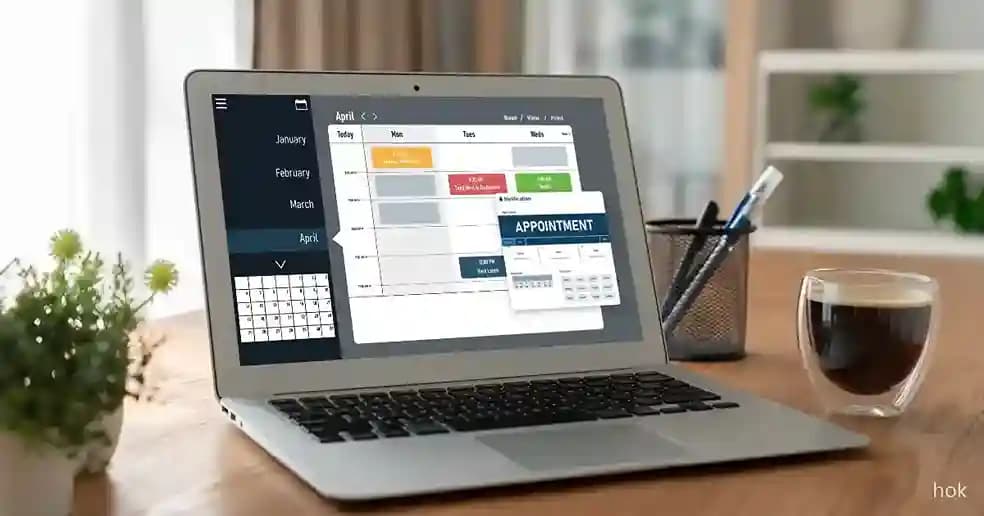
  1. Automate follow-up reminders: SMS, WhatsApp, or email alerts scheduled based on treatment type and expected follow-up timeline
  2. Use EMR templates to track progress: capture structured data — symptom severity, functional scores, progress notes — as a by-product of the visit rather than as extra documentation
  3. Analyse trends for quality improvement: use dashboards to spot follow-up gaps by condition, doctor, or time period; drop-offs in chronic care are especially costly if unnoticed
  4. Train staff for follow-up engagement: SOPs for callbacks, visit reminders, and patient feedback collection — front-desk staff often own the difference between an automated reminder and actual patient re-engagement
  5. Close the loop with patients: follow-up is where reassurance, early intervention, and continuity of care all happen — treat it as clinical work, not admin

Conclusion

Follow-up tracking is where treatment protocols meet real-world adherence. Treated as admin, it becomes a reminder-sending chore that staff quietly drop within months. Treated as clinical work — the doctor or nurse actually reviewing which chronic-care patients haven't come back and why — it becomes one of the highest-signal quality-improvement inputs a clinic has. The framing determines whether the tools survive their first busy month.

About Zocvi

Zocvi connects patients with verified doctors and evidence-based health guidance. Visit zocvi.com or reach us on WhatsApp at +91-92724-57637.


Follow Zocvi

Stay connected with Zocvi for expert health advice. Follow us on Facebook, LinkedIn, and Instagram.

Frequently Asked Questions

How often should I schedule follow-ups for chronic patients?

Cadence varies by condition — HbA1c review typically every 3 months for diabetes, BP reassessment every 4-6 weeks after a medication change, thyroid function every 6-12 weeks after dose adjustment. Modern EMR platforms let you set condition-specific schedules that trigger automatic reminders, avoiding the calendar overhead.

How do I reduce no-shows for follow-ups?

A 24-hour reminder via WhatsApp with a one-tap confirm option covers most no-show risk. Add a 2-hour reminder for high-risk slot times. Offer telemedicine follow-up as an alternative for chronic-care patients where physical presence isn't essential — many patients skip the physical visit but respond well to a shorter virtual check-in.

What tools do I need to start follow-up tracking?

A PMS or EMR with integrated reminders and progress dashboards is the practical starting point. For solo practices, even a spreadsheet with a weekly review discipline works. Above small-clinic scale, the manual overhead makes automation worthwhile; verify the tool supports condition-specific reminder cadences before adopting.

Will patients get annoyed with reminders?

Not if they're bilingual, timely, and contextual. Most patients appreciate helpful nudges.

Can I measure ROI from follow-up tracking?

Yes. Higher follow-up adherence improves outcomes, patient loyalty, and recurring revenue.

Questions About This Article

Have a question? Ask the author directly.

Have a question about this article?

Ask Zocvi Editorial directly. Your question may help others with similar concerns.

Q:1 answer
Q:1 answer
Q:1 answer
Q:1 answer
Q:1 answer

Comments (0)

Found this helpful? Share it!

LinkedInWhatsApp

More from Zocvi Editorial

Other Articles You May Like

Find a Doctor for Clinical Outcomes

Verified specialists across India

Dr. Ambuj Arora

Dentist

12 yrs

Muzaffarnagar

12, Dr Suresh Medical Complex, Bhagat Singh Road, Muzaffarnagar
Nabab Ganj, Muzaffarnagar, Uttar Pradesh, 251002
₹250 consultation

Dr. Rajan Bhargava

ENT Specialist

30 yrs

Kanpur

Dr. Rajan Bhargava Clinic
Brahm Nagar, Kanpur, Uttar Pradesh, 208012
₹700 consultation

Dr. Krishna Singh

Pulmonologist & Chest Physician

16 yrs

Bhopal

Siddhanta Red Cross Superspeciality Hospital
Nayapura, Bhopal, Madhya Pradesh, 462030
₹500 consultation

Dr. Shrinivas Patil

Ayurvedic Doctor

20 yrs

Belagavi

Shri Ayurved
Madhavpur Vadgaon, Belagavi, Karnataka, 590005
₹150 consultation