

Introduction
In today's evolving healthcare landscape, efficient staff management can make or break a clinic’s performance. With increasing patient loads and administrative demands, optimizing staff productivity is not just beneficial—it’s essential. This blog explores the metrics, tools, and techniques that can elevate staff performance, especially for small and mid-sized clinics.
Key Workforce Metrics to Track
To make informed staffing decisions, clinics should track:
- Patient-to-staff ratio: support staff per physician. Ratios vary widely by specialty (higher for procedure-heavy practices, lower for simple consultations). Track your own trend rather than importing a benchmark from a different specialty.
- Task completion rate: measures how efficiently daily responsibilities are executed and where handoffs stall
- Time spent on administrative work: excessive admin time indicates a need for automation or delegation
- Patient wait time: long delays often reflect staff-load misalignment during peak hours
- Revenue per staff member: a useful long-term efficiency indicator, especially when comparing periods
The Hire vs Automate vs Delegate Decision
When workload rises, clinics have three responses. Choose based on the specific bottleneck:
- Automate when the bottleneck is repetitive tasks with clear rules (appointment reminders, billing follow-ups, insurance eligibility checks). Software beats headcount for these.
- Delegate when the task doesn't need clinical judgement but requires human handling (patient intake, non-clinical calls, documentation prep). A trained non-physician role — front desk, medical assistant, MSW — often costs less than expanding physician capacity.
- Hire when the constraint is genuinely clinical throughput and both automation and delegation have been exhausted. The most expensive fix; reserve it for cases where volume clearly justifies the ongoing cost.
Tools to Support Workforce Efficiency
- Practice Management Systems (PMS): streamline appointments, billing, and reporting — the core system-of-record
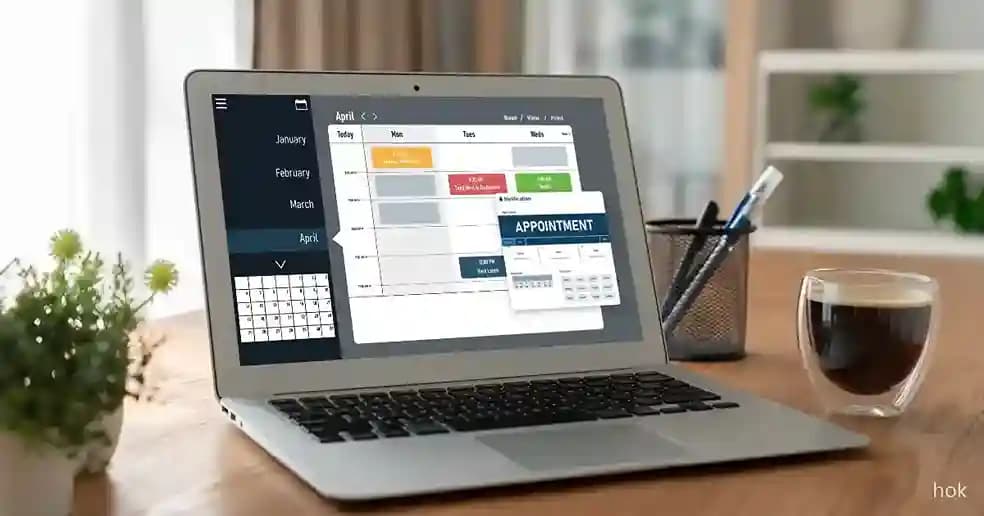
- Appointment Management Software (AMS): reminders, waitlists, self-rescheduling reduce phone load and no-shows
- Workflow automation: handles standard follow-ups, eligibility checks, prescription refill workflows
- Analytics dashboards: surface real-time patient-flow and staff-load patterns for informed hiring decisions
Management Techniques That Compound
- Task delegation protocols: written, referenced by everyone — assign administrative and routine tasks to non-physician staff
- Staff cross-training: cross-trained staff improve flexibility during absences and reduce wait times during peak hours
- Digital SOPs: hosted protocols reduce onboarding time and promote consistent task execution across staff
- Quarterly workforce review: pull the 5 metrics above and decide whether to automate, delegate, or hire based on the specific bottleneck
Conclusion
Workforce decisions in a clinic aren't really about staff count — they're about matching the right response (automate, delegate, hire) to the specific bottleneck. Track the 5 metrics monthly, review quarterly, and let the data drive the decision rather than the pressure of the busiest week. Small deliberate steps compound; large under-informed hires often don't.
About Zocvi
Zocvi connects patients with verified doctors and evidence-based health guidance. Visit zocvi.com or reach us on WhatsApp at +91-92724-57637.











Comments (0)