

Introduction
The bladder plays a crucial role in storing and expelling urine. Among its anatomical components, the trigone stands out as a structurally distinct triangular region vital for urinary health. The trigone is involved in regulating urine flow and preventing backflow, making it a key area of study for urologists and healthcare providers. In this blog, we will explore the anatomy, function, and clinical significance of the trigone of the bladder.
Anatomy of the Trigone of the Bladder
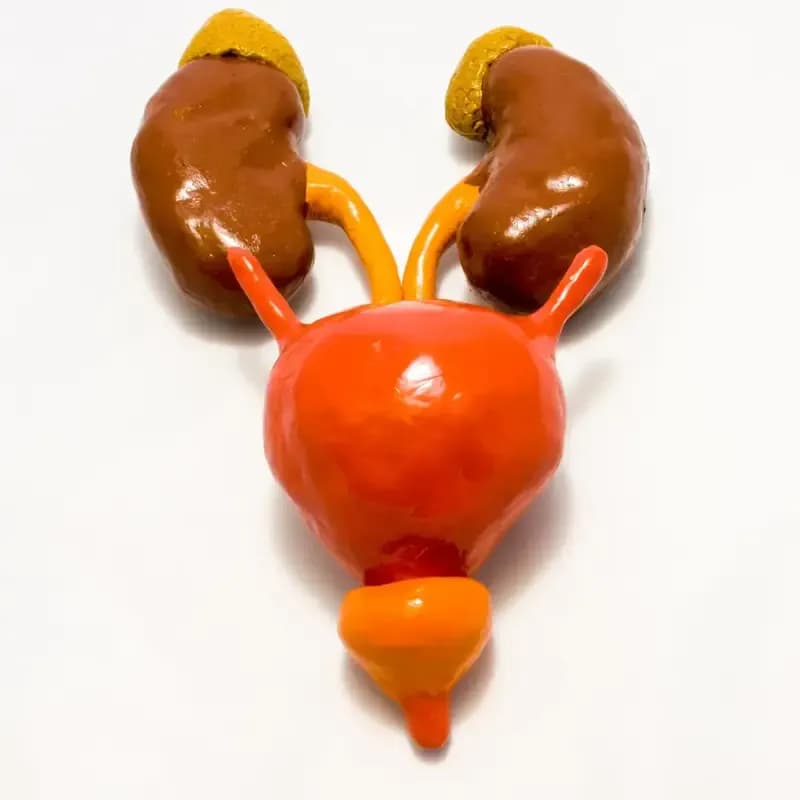
The trigone is a triangular region located on the internal surface of the bladder. It is formed by three openings: the two ureteral openings (where urine enters from the kidneys) and the internal urethral orifice (where urine exits into the urethra). Unlike other parts of the bladder, which have a mucosal lining that folds when the bladder is empty, the trigone remains smooth and firm.
Function of the Trigone
The trigone serves multiple important functions, including:
The trigone ensures that urine is efficiently directed from the ureters into the bladder and subsequently into the urethra.
Urine Flow Regulation
Through its structural design and muscle control, the trigone helps prevent urine from flowing backward into the ureters, a condition known as vesicoureteral reflux.
Prevention of Vesicoureteral Reflux
The trigone contains stretch receptors that send signals to the brain when the bladder is full, triggering the urge to urinate.
Sensory Function
Clinical Significance of the Trigone
Given its role in urinary health, the trigone is associated with various medical conditions.
Trigonitis is an inflammatory condition affecting the trigone region of the bladder. It is often linked to recurrent urinary tract infections (UTIs), hormonal changes, or irritants such as certain hygiene products. Symptoms may include pelvic pain, frequent urination, and discomfort during urination.
Trigonitis
Bladder cancer frequently originates in the trigone due to its constant exposure to urine and potential carcinogens. Early symptoms may include blood in the urine (hematuria), frequent urination, and pelvic pain. Prompt diagnosis and treatment are crucial for better outcomes.
Bladder Cancer
Vesicoureteral Reflux (VUR) occurs when urine flows backward from the bladder into the ureters and kidneys. This condition increases the risk of urinary tract infections (UTIs) and kidney damage, particularly in children. Treatment options range from antibiotics for mild cases to surgery for severe reflux.
Vesicoureteral Reflux (VUR)
Diagnostic Methods for Trigone Disorders
Diagnosing trigone-related disorders involves various clinical and imaging techniques.
A minimally invasive procedure where a thin, flexible tube with a camera is inserted through the urethra to visually inspect the bladder's interior, including the trigone.
Cystoscopy
Advanced imaging techniques that provide detailed, non-invasive visualization of the trigone to detect structural abnormalities and assess bladder health.
Ultrasound and MRI
A specialized test that evaluates bladder function, measuring pressure and urine flow to diagnose conditions such as overactive bladder and urinary incontinence.
Urodynamic Testing
Treatment Options
Treatment varies depending on the condition affecting the trigone.
Pharmacological treatments are commonly prescribed to manage infections and inflammation affecting the trigone region.
Medications: Antibiotics and Anti-Inflammatories
In severe cases, such as advanced vesicoureteral reflux or bladder cancer, surgical procedures may be necessary to restore normal bladder function.
Surgical Interventions
Maintaining adequate hydration, incorporating pelvic floor exercises, and making dietary adjustments can support trigone and overall bladder health.
Lifestyle Modifications
Age-Related Changes in the Trigone
The trigone is not a static structure, it changes measurably with age, and those changes drive many of the urinary symptoms elderly Indians report.
After menopause, oestrogen levels drop and the trigone's transitional epithelial lining thins (atrophic trigonitis). The lining becomes more sensitive to normal bladder filling and normal urinary constituents, causing chronic burning, urgency, and 'always feels like a UTI' symptoms with repeatedly clean urine cultures. Vaginal oestrogen (creams, rings, or tablets) restores lining thickness and often relieves these symptoms, a treatment that gynaecologists and urologists both use, but is underprescribed in India due to unfamiliarity.
Post-Menopausal Changes (Older Women)
In older men, benign prostatic hyperplasia (BPH) causes chronic bladder outlet obstruction. The bladder muscle thickens (detrusor hypertrophy) and the trigone deforms under sustained pressure. This produces the classic BPH symptom set, weak stream, straining, incomplete emptying, waking multiple times at night, but also increases trigone irritability, adding urgency and frequency to the obstruction picture. Treating the BPH (alpha-blockers like tamsulosin, or surgery such as TURP or HoLEP) usually improves the trigone symptoms secondarily.
BPH Effects (Older Men)
Diabetes is common in elderly Indians and progressively damages the peripheral nerves supplying the bladder. The trigone's stretch receptors, which signal fullness, become desensitised. Result: the bladder overfills without the person feeling it, incomplete emptying, and increased UTI risk from stagnant urine. Diabetic bladder dysfunction is often missed because symptoms are subtle and attributed to normal ageing. Any elderly diabetic with recurrent UTIs, incomplete emptying, or unexplained UTIs deserves post-void residual measurement.
Diabetic Neurogenic Changes
Trigone irritation from all three causes above increases bladder cancer risk over time (chronic inflammation is a known risk factor). Any elderly person, particularly smokers, with new blood in urine (even one episode), unexplained persistent bladder pain, or worsening symptoms despite treatment needs cystoscopy, bladder cancer often first shows up on or near the trigone and is highly treatable when caught early.
Bladder Cancer Risk
Conclusion
The trigone in older adults is a different structure from the trigone at 30, thinner in post-menopausal women, deformed by chronic pressure in men with BPH, and desensitised in diabetics. Recognising which age-related pattern applies is what allows targeted treatment (vaginal oestrogen for post-menopausal atrophic trigonitis is very different from tamsulosin for BPH-driven trigone irritability). Chronic 'just my age' urinary symptoms in elderly Indians are frequently treatable, the barrier is usually inadequate assessment, not lack of options. Bring persistent symptoms to a urologist rather than assuming they are inevitable.
About Zocvi
Zocvi connects patients with verified doctors and evidence-based health guidance. Visit zocvi.com or reach us on WhatsApp at +91-92724-57637.









Comments (0)