

Introduction
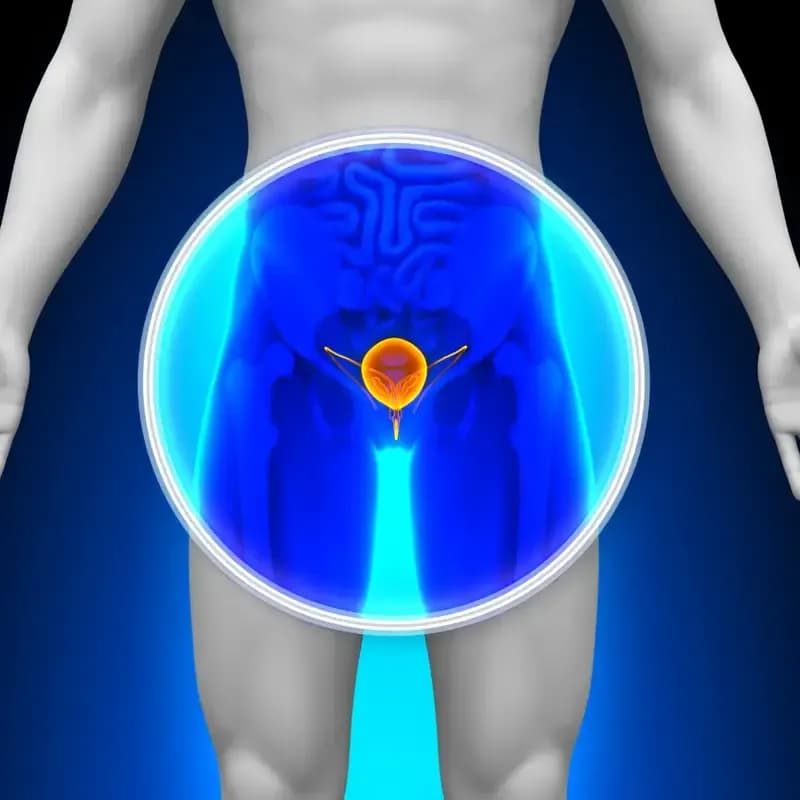
The trigone is a triangular area in the bladder that plays a crucial role in its function. Located at the base of the bladder, the trigone is defined by the openings of the two ureters and the urethra. This article explores the anatomy, function, and clinical significance of the trigone, highlighting its importance in maintaining urinary health.
Anatomy of the Trigone
The trigone is a smooth triangular region at the base of the bladder. It is demarcated by three points: the two ureteral orifices (where the ureters enter the bladder) and the internal urethral orifice (where the bladder connects to the urethra). Unlike the rest of the bladder, which is lined with transitional epithelium that allows for stretching, the trigone is relatively fixed and does not expand. This stability helps direct the flow of urine from the ureters to the urethra.
Function of the Trigone
The trigone serves several important functions in the urinary system:
The trigone helps regulate the flow of urine from the ureters to the bladder and from the bladder to the urethra. Its fixed position ensures that the openings remain patent, allowing for the efficient passage of urine.
Urine Flow Regulation
The trigone prevents the backflow of urine (vesicoureteral reflux) into the ureters. This is crucial in preventing infections and maintaining the one-way flow of urine.
Preventing Reflux
The trigone is richly innervated and plays a role in sensing bladder fullness. Signals from the trigone contribute to the urge to urinate, coordinating the process of micturition (urination).
Sensation and Micturition
Clinical Significance of the Trigone
The trigone's unique structure and function make it susceptible to certain clinical conditions. Understanding these conditions is vital for maintaining bladder health:
Infections can localize in the trigone area, causing inflammation and discomfort. This condition, known as trigonitis, can lead to frequent urination and pelvic pain.
Urinary Tract Infections (UTIs)
VUR is a condition where urine flows backward from the bladder into the ureters and sometimes the kidneys. This can lead to recurrent UTIs and kidney damage if not treated.
Vesicoureteral Reflux (VUR)
The trigone area is a common site for bladder cancer. Symptoms may include blood in the urine, pelvic pain, and changes in urinary habits. Early detection and treatment are crucial.
Bladder Cancer
Diagnosing Trigone Issues
Diagnosing conditions affecting the trigone involves a combination of patient history, physical examination, and diagnostic tests. These may include:
A cystoscopy allows direct visualization of the trigone and other parts of the bladder. It involves inserting a thin, flexible tube with a camera into the bladder through the urethra.
Cystoscopy
Ultrasound, CT scans, and MRI can provide detailed images of the bladder and surrounding structures, helping to identify abnormalities in the trigone.
Imaging Studies
Urinalysis and urine culture can detect infections and other abnormalities in the urine, which may indicate issues with the trigone.
Urine Tests
Treatment Options
Treatment for trigone-related conditions depends on the underlying cause. Options include:
For infections, antibiotics are the first line of treatment. Completing the full course of antibiotics is essential to eradicate the infection.
Antibiotics
In cases of VUR or bladder cancer, surgical intervention may be necessary. Procedures can range from minimally invasive techniques to more extensive surgeries.
Surgery
Maintaining proper hydration, practicing good hygiene, and avoiding bladder irritants (such as caffeine and alcohol) can help manage symptoms and prevent recurrence.
Lifestyle Modifications
Preventing Trigone Issues
Preventing trigone issues involves maintaining overall bladder health and addressing risk factors early. Key preventive measures include:
Drinking plenty of water helps flush out the bladder and prevent infections. Staying well-hydrated ensures that urine is diluted, reducing the risk of irritation and stone formation.
Hydration
Routine check-ups can help detect any early signs of trigone issues or other urinary conditions. Early detection and treatment are crucial in preventing complications.
Regular Medical Check-Ups
A diet rich in fruits, vegetables, and whole grains supports overall health, including bladder health. Avoiding excessive caffeine, alcohol, and spicy foods can reduce bladder irritation.
Healthy Diet
Maintaining good personal hygiene, especially for women, can help prevent urinary tract infections. This includes wiping from front to back and urinating after sexual activity.
Good Hygiene Practices
Conclusion
The trigone is a critical component of the bladder, playing key roles in urine flow regulation, preventing reflux, and contributing to the sensation of bladder fullness. Understanding its anatomy, function, and potential clinical issues is essential for maintaining urinary health. Early diagnosis and appropriate treatment of trigone-related conditions can significantly improve outcomes and quality of life for affected individuals. Regular check-ups and a healthy lifestyle are important for preventing and managing trigone-related health issues.
About Zocvi
Zocvi connects patients with verified doctors and evidence-based health guidance. Visit zocvi.com or reach us on WhatsApp at +91-92724-57637.








Comments (0)