
Introduction
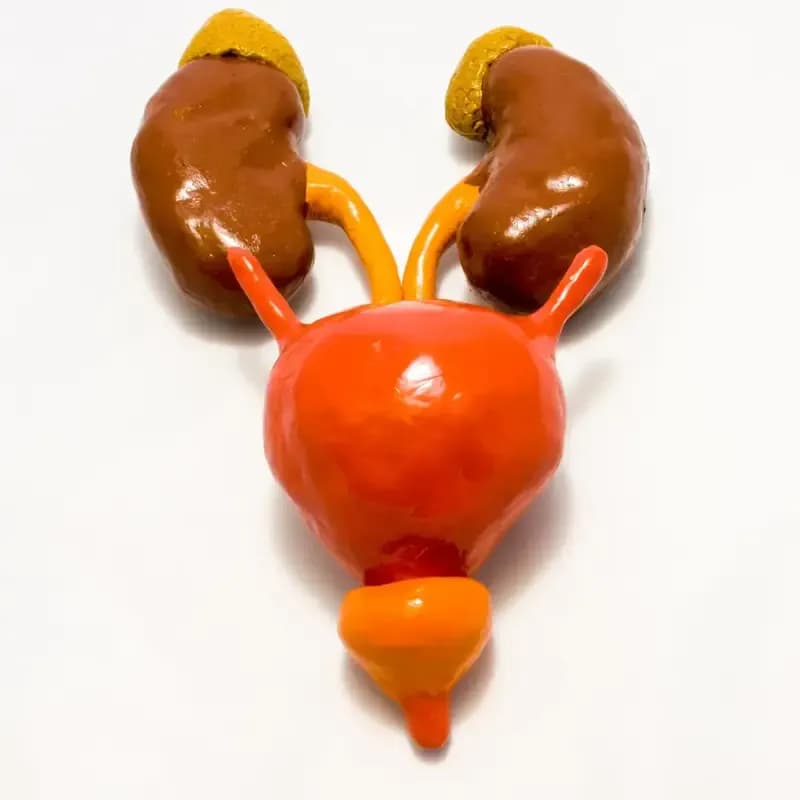
Urinary bladder distention occurs when the bladder becomes excessively stretched or enlarged due to the accumulation of urine. This condition can be uncomfortable and may indicate an underlying medical issue that requires prompt attention. Understanding the causes, symptoms, and treatment options for urinary bladder distention is essential for effective management and relief.
Causes of Urinary Bladder Distention
Several factors can contribute to urinary bladder distention, including:
Inability to empty the bladder completely, leading to the accumulation of urine and distention of the bladder.
Urinary retention:
Blockage in the urinary tract that prevents urine from flowing out of the bladder, such as benign prostatic hyperplasia (BPH) in men or pelvic organ prolapse in women.
Bladder outlet obstruction:
Conditions affecting the nerves that control bladder function, such as spinal cord injury, multiple sclerosis, or stroke, can disrupt normal bladder emptying and lead to distention.
Neurological disorders:
Certain medications, such as anticholinergics or opioids, can interfere with bladder function and contribute to urinary retention.
Medications:
Bladder distention may occur after surgery, especially procedures involving the pelvic area or urinary tract.
Postoperative complications:
Symptoms of Urinary Bladder Distention
Common symptoms of urinary bladder distention may include:
1. Increased urinary frequency
2. Urgency to urinate
3. Difficulty initiating urination
4. Weak or interrupted urine stream
5. Pain or discomfort in the lower abdomen or pelvic region
6. Bladder fullness or pressure sensation
7. In severe cases, bladder rupture or urinary incontinence may occur.
Diagnosis and Evaluation
Diagnosing urinary bladder distention typically involves a thorough medical history, physical examination, and diagnostic tests, such as:
Examination of urine sample for signs of infection, blood, or other abnormalities.
Urinalysis:
Non-invasive ultrasound imaging to assess bladder volume and residual urine.
Bladder scan:
Procedure involving a flexible or rigid scope to visualize the inside of the bladder and assess for any abnormalities or blockages.
Cystoscopy:
Specialized tests to evaluate bladder function and urinary flow dynamics.
Urodynamic studies:
Treatment and Management
Treatment for urinary bladder distention aims to relieve symptoms, address underlying causes, and prevent complications. Depending on the severity and underlying cause, treatment options may include:
Insertion of a urinary catheter to drain urine from the bladder and relieve distention.
Catheterization:
Prescription medications, such as alpha-blockers or anticholinergics, may be prescribed to improve bladder function and urinary flow.
Medications:
In cases of bladder outlet obstruction or neurological disorders, surgical procedures may be necessary to correct the underlying issue and restore normal bladder function.
Surgical intervention:
Making changes to diet, fluid intake, and toileting habits can help prevent urinary retention and bladder distention.
Lifestyle modifications:
Regular monitoring and follow-up with a healthcare provider are essential to assess treatment effectiveness, manage symptoms, and prevent recurrence.
Follow-up care:
Complications and Prognosis
Untreated urinary bladder distention can lead to various complications, including urinary tract infections, bladder stones, kidney damage, and bladder rupture. However, with timely diagnosis and appropriate treatment, most cases of bladder distention can be effectively managed, and complications can be prevented.
Conclusion
Urinary bladder distention is a common condition that can result from various underlying causes. Recognizing the symptoms, seeking prompt medical attention, and following recommended treatment strategies are crucial for managing bladder distention effectively and preventing complications.










Comments (0)