Bladder Irrigation: Understanding the Procedure and Its Benefits

Bladder Irrigation: Understanding the Procedure and Its Benefits

Overview

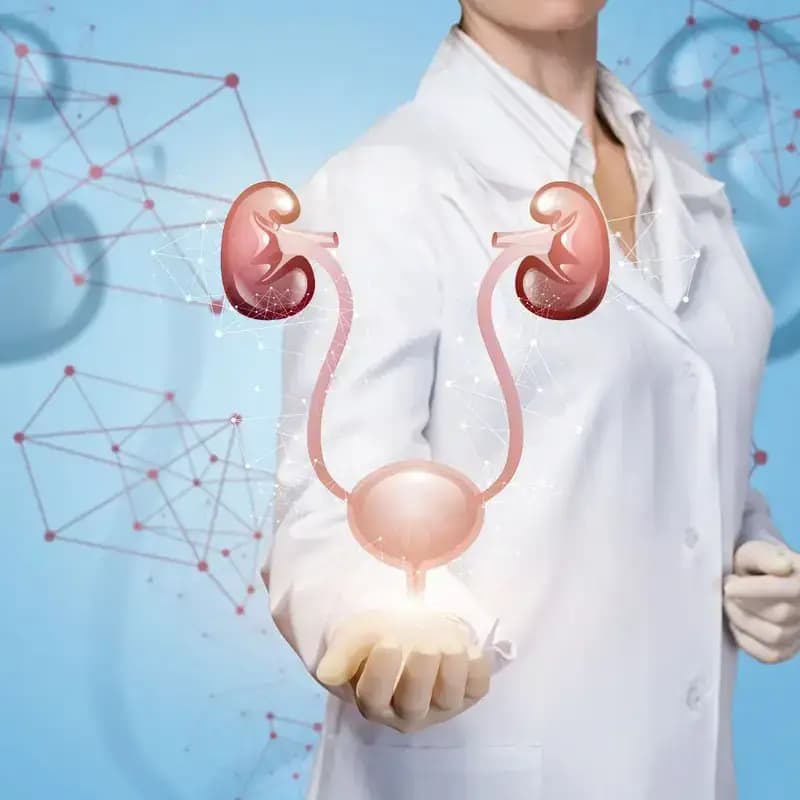
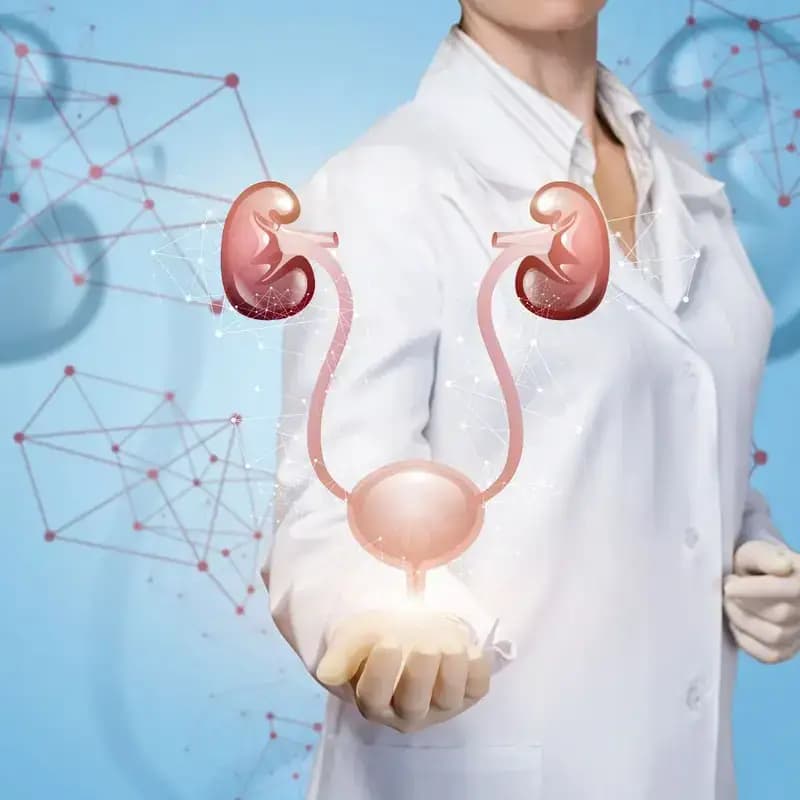
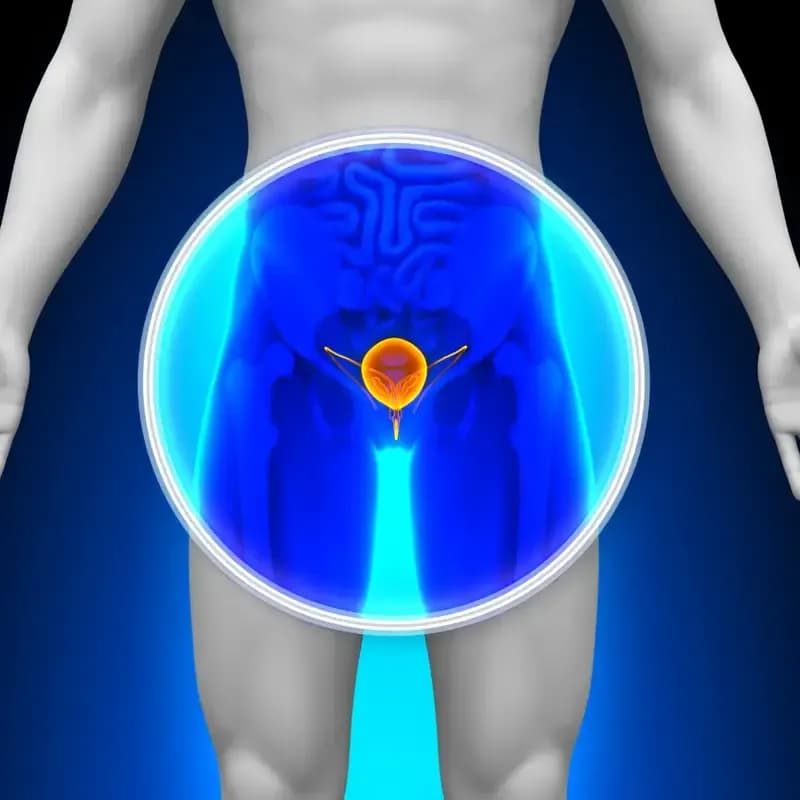
Bladder irrigation is a medical procedure commonly used to flush out the bladder and urinary tract with a sterile solution.

Introduction

Bladder irrigation is a medical procedure commonly used to flush out the bladder and urinary tract with a sterile solution. In this comprehensive guide, we'll delve into the bladder irrigation procedure, its benefits, and its applications in various medical treatments.

What is Bladder Irrigation?

Bladder irrigation involves the instillation of a sterile solution into the bladder through a catheter to flush out blood clots, debris, or other obstructions. It is typically performed under the supervision of healthcare professionals in a clinical setting.

Procedure for Bladder Irrigation

During bladder irrigation, a catheter is inserted into the bladder through the urethra or a surgical opening. The sterile irrigation solution, such as saline or sterile water, is then infused into the bladder at a controlled rate. The solution helps to flush out any blood clots, mucus, or debris present in the bladder, promoting urinary flow and preventing blockages.

Conditions Requiring Bladder Irrigation

Bladder irrigation may be recommended for various medical conditions, including:
Bladder irrigation can help remove blood clots and prevent urinary obstruction in cases of hematuria (blood in the urine).

Hematuria:

Following transurethral resection of bladder tumors (TURBT), bladder irrigation may be performed to prevent blood clots and maintain urinary flow.

Bladder Cancer:

In cases of bladder stones, irrigation can help dissolve small stones or flush out debris after surgical procedures.

Bladder Stones:

Bladder irrigation with antimicrobial solutions may be used to help treat or prevent urinary tract infections.

Urinary Tract Infections:

Benefits of Bladder Irrigation

Bladder irrigation helps prevent urinary obstruction by removing blood clots, debris, or other obstructions from the bladder and urinary tract.

Prevents Urinary Obstruction:

By flushing out the bladder and urinary tract, bladder irrigation promotes urinary flow and helps maintain normal bladder function.

Promotes Urinary Flow:

In cases of urinary tract infections or surgical procedures, bladder irrigation with antimicrobial solutions can help reduce the risk of infection by removing bacteria from the bladder.

Reduces Risk of Infection:

Bladder irrigation is an integral part of various medical treatments, including surgeries, diagnostic procedures, and treatment of urinary tract conditions.

Supports Medical Treatments:

Risks and Considerations

While bladder irrigation is generally safe, it may carry some risks, including urinary tract infections, bladder trauma, or fluid overload. It's essential to discuss the potential risks and benefits of bladder irrigation with your healthcare provider before undergoing the procedure.

Conclusion

Bladder irrigation is a valuable medical procedure used to flush out the bladder and urinary tract, prevent urinary obstruction, and promote urinary flow. By understanding the procedure and its benefits, patients and healthcare providers can make informed decisions about its use in various medical treatments. If you have any questions or concerns about bladder irrigation, consult with your healthcare provider for personalized advice and guidance.

Frequently Asked Questions

When is continuous bladder irrigation (CBI) indicated?

Three main indications: post-TURP or post-prostatectomy for clot prevention in the first 24-48 hours, gross hematuria with clot retention regardless of cause, and after bladder tumour resection. A 3-way Foley catheter (22-24 Fr) with normal saline is standard. Isotonic 0.9% NaCl is preferred over sterile water — sterile water absorbed through open prostatic sinusoids can cause dilutional hyponatremia (TURP syndrome). Start flow at 100-200 mL/h and titrate to keep outflow pale pink, not red.

How do I recognise a blocked CBI catheter?

Four signs demand immediate action: inflow continues but outflow stops or slows dramatically; suprapubic distention or pain; bladder spasms; and outflow suddenly turns bright red or contains clots. Stop the inflow, perform a manual bladder washout with a 60 mL bladder syringe (30-60 mL saline aliquots, aspirate back), and if resistance persists escalate to the urologist. Never force the syringe — you can rupture the bladder. Document input and output volumes hourly; a discrepancy of >200 mL over 2 hours is a red flag.

What are the key complications to monitor during CBI?

Five: (1) catheter-associated UTI (CAUTI) — insist on strict aseptic bag changes; (2) hyponatremia from fluid absorption — check serum sodium daily if CBI runs beyond 24 hours; (3) bladder spasm — belladonna & opium (B&O) suppositories or oxybutynin help; (4) urethral trauma from catheter migration — secure the catheter to the thigh; (5) fluid overload in patients with cardiac or renal comorbidity — track input-output balance every 4 hours and weigh daily.

When should CBI be discontinued?

Standard weaning: once outflow is consistently clear or pale straw-coloured for 12-24 hours after post-operative CBI, reduce flow rate stepwise, then stop irrigation and continue passive drainage for another 12-24 hours. Remove the 3-way catheter and replace with a 2-way if the patient needs ongoing drainage, or perform a trial of void. Document post-void residual with bladder scan before catheter-free discharge.

Questions About This Article

Have a question? Ask the author directly.

Have a question about this article?

Ask Zocvi Editorial directly. Your question may help others with similar concerns.

Q:1 answer
Q:1 answer
Q:1 answer
Q:1 answer

Comments (0)

Found this helpful? Share it!

LinkedInWhatsApp

More from Zocvi Editorial

Other Articles You May Like

Related Topics

Find a Doctor for Urology & Kidney Health

Verified specialists across India

Dr. Rishav Bansal

Geriatrician

13 yrs

Jaipur

Bansal Health Clinic
C Scheme, Jaipur, Rajasthan, 302001
₹650 consultation

Dr. Shwet Sabnis

Geriatrician

12 yrs

Mumbai

Prime Care 360 Super Speciality Clinic
Sector 24, Mumbai, Maharashtra, 400614
₹1000 consultation

Dr. Anuj S Tiwari

Geriatrician

13 yrs

Mumbai

Thunga STH Hospital
ONGC Colony, Mumbai, Maharashtra, 400056
₹1500 consultation

Dr. G S Shanthi

Geriatrician

23 yrs

Chennai

Dr. Mehta's Hospitals - Global Campus
Ottagapalayam, Chennai, Tamil Nadu, 600026
₹500 consultation