Ayurvedic Remedies for Vitiligo: Natural Treatments for Skin Health
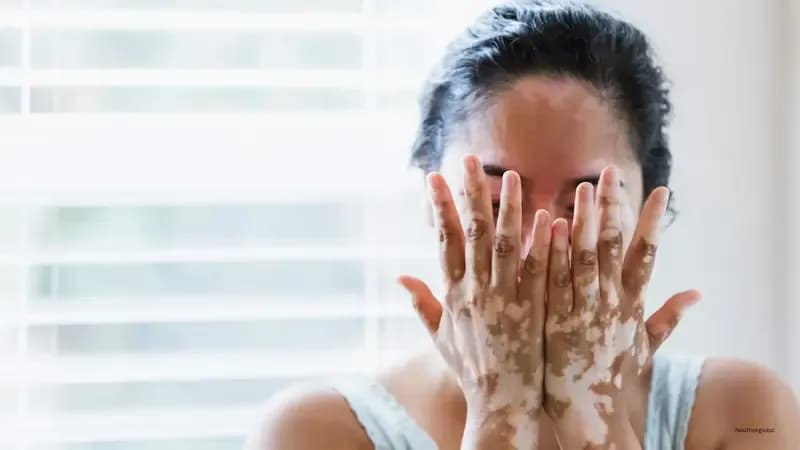
Vitiligo is a skin condition characterized by the loss of pigmentation, resulting in white patches on the skin.

Skin is the body's largest organ — a physical barrier, immune sentinel, temperature regulator, and the first thing others see. In India, skin conditions carry a disproportionate psychological burden: pigmentation disorders like melasma and vitiligo affect self-esteem in a culture where skin tone is frequently commented upon, acne scars have real social and professional consequences, and fungal infections thrive in the tropical climate and are chronically undertreated. Dermatology in India sits at an uncomfortable intersection of medicine and cosmetic aspiration — patients often self-medicate with potent steroid-containing creams sold without prescription, causing more harm than the condition they started with. This hub covers the major skin, hair, and scalp conditions with a focus on evidence-based treatment, recognising when to seek a dermatologist, and avoiding the common self-treatment mistakes that worsen outcomes.
Last reviewed: 11 August 2026
Vitiligo is a skin condition characterized by the loss of pigmentation, resulting in white patches on the skin.
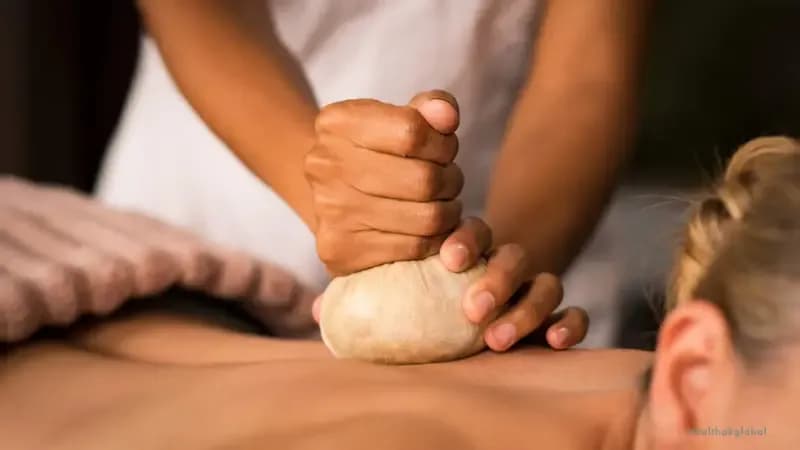
Ayurvedic treatment for eczema offers natural remedies that help manage symptoms and improve skin health.
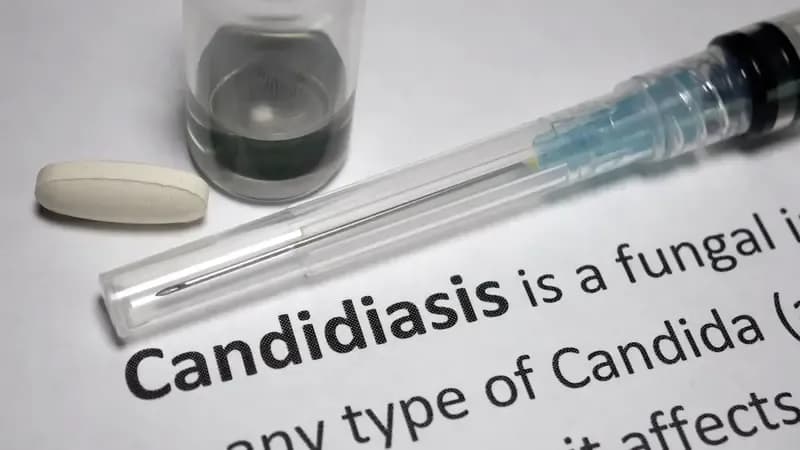
Mucocutaneous candidiasis is a fungal infection that affects the skin, nails, and mucous membranes, caused by the Candida species of fungi.

Dr. Tanuja Tamhankar - Consultant Dermatology live from Pune to discuss a critical topic On role of Hair Fall Management.Dr. Tanuja Tamhankar is talking abou...

Faculty of Homoeopathy- PU on Instagram: "🌿 Success Story: Psoriasis Treatment with HomeopathyA 38-year-old female found relief from psoriasis over the foot through successful homeopathic treatment. This achievement underscores the effectiveness of homeopathy in addressing chronic skin conditions.

Ayurvedic treatment for hair fall offers natural remedies that promote hair health and reduce hair loss, leveraging the principles of Ayurveda.

Dr. Tanuja is a young , vibrant & highly skilled dermatologist with over 15 yrs of experience in the field of Dermatology & cosmetology . She currently pract...


In this video, the doctor explains:• What true skin glow means• Importance of cleansing and moisturizing• Why sunscreen is essential• Role of diet and hydration• Common skincare mistakes to avoid

Your skintype keeps changing with time with factors like age, climate, diet and more. Understanding your current skin type is crucial to developing an effective skincare routine that addresses your specific needs.Sensitive skin is not a skin type, but rather a temporary condition often triggered by external factors like product reactions, dietary choices, hormones and more.By understanding this, you can adapt your skincare approach to meet your skin's unique needs.Disclaimer: I am sharing my personal experience and knowledge. Content provided on this instagram handle is for informational purposes only. This video is not intended to provide diagnosis, treatment or medical advice. Information on this instagram handle should not be considered as a substitute for advice from a qualified dermatologist. Please consult with a physician or Dermatologist regarding any medical or health-related diagnosis or treatment options.

Understanding the importance of skin care in the aging process is vital. Our skin, as the most visible indicator of age, requires special attention to maintain its health and appearance.
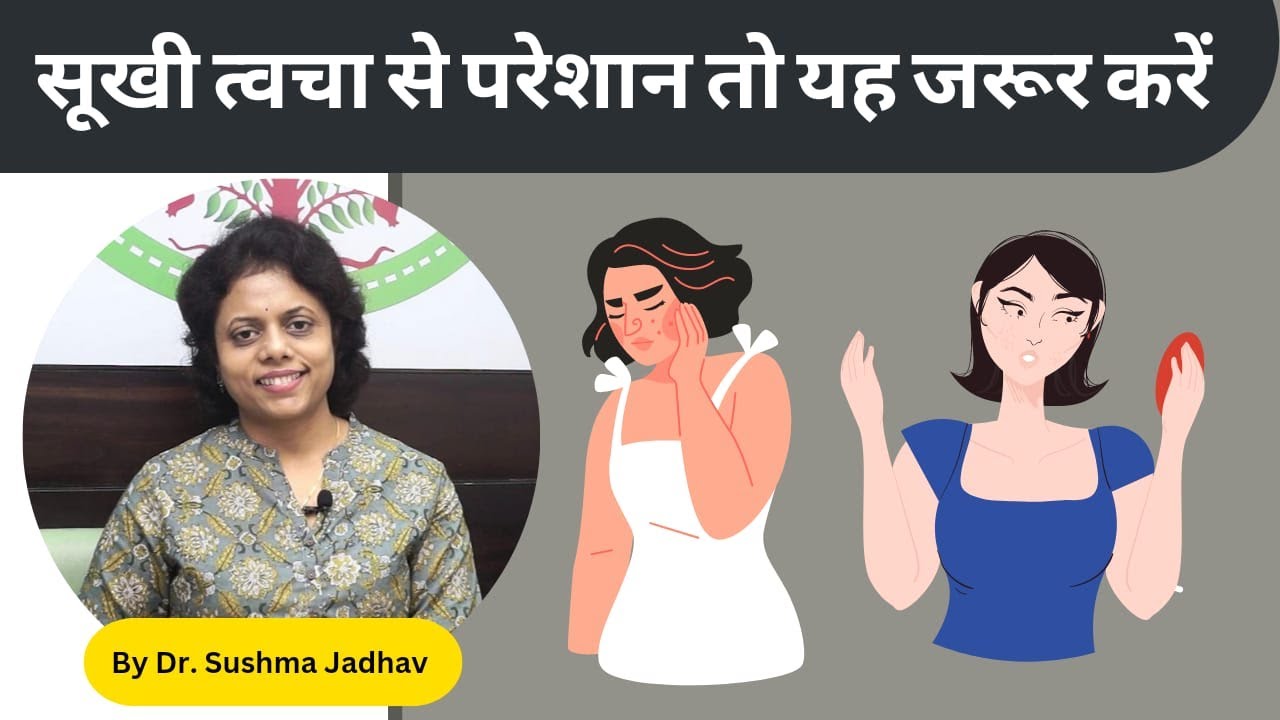

We sat down with the experts to get the real tea on sun safety, and the truth might sting more than a sunburn. If you aren't reapplying every 3–4 hours, your skin is likely losing its shield against DNA damage and long-term risks like skin cancer. Don't wait for a diagnosis to start taking your skin health seriously. Prevention is your best skincare routine.

⚠️Disclaimer: For educational and public awareness purposes only. Please consult with a physician or dermatologist in your area regarding any medical or health related diagnosis or treatment options.
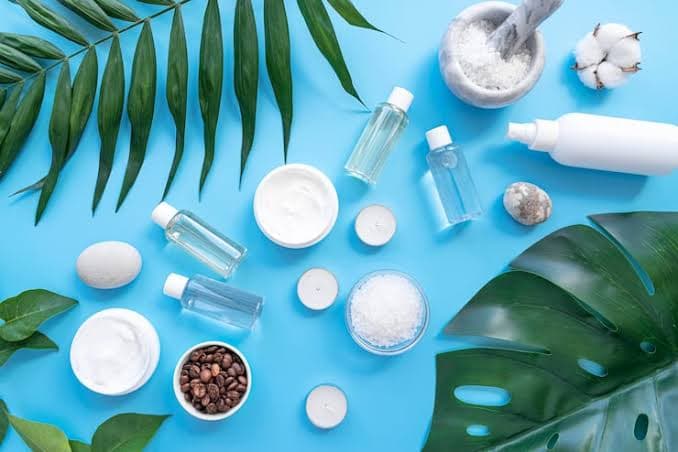
Many beauty products use terms like 'medicated' or 'clinical,' but what do they actually mean? Understand the difference between cosmetics and drugs to make informed purchasing decisions.

Achieving shiny hair quickly involves a combination of proper washing, conditioning, and styling techniques.
Leprosy, also known as Hansen's disease, is a chronic infectious disease caused by Mycobacterium leprae.
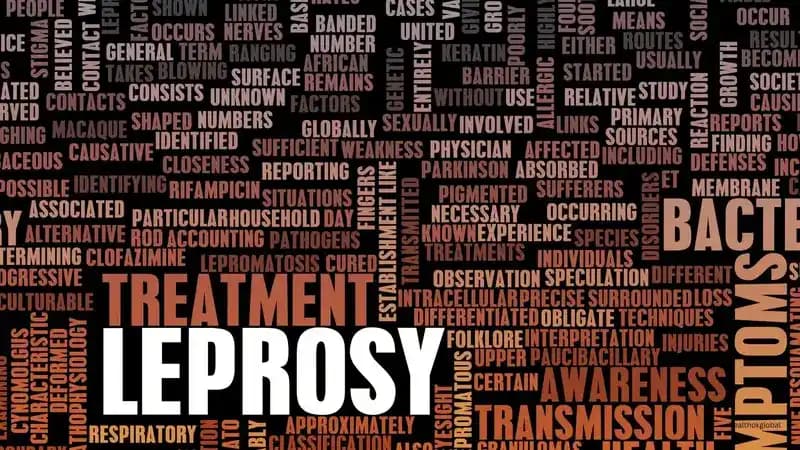
Two classification systems clinicians use for leprosy: WHO's simple paucibacillary vs multibacillary split (used for treatment decisions) and the more detailed Ridley-Jopling five-type system (used for prognosis and research). Here is what each type looks like clinically and why classification matters.
Verified specialists across India
Topical steroid creams (betamethasone, clobetasol, mometasone) are prescription-only medicines but are widely sold without prescription at Indian pharmacies, often as fairness or skin-lightening preparations. Prolonged inappropriate use causes topical steroid-damaged face (TSDF) — a condition of steroid dependence where the skin worsens severely if the cream is stopped, causing redness, burning, pimples, and thinning of the skin. On the body, long-term use causes skin thinning, stretch marks, fungal infections (steroids suppress local immunity), and systemic absorption causing adrenal suppression in severe cases. In India, dermatologists see large numbers of patients whose original mild condition (acne, pigmentation, dermatitis) has been made far worse by years of inappropriate steroid cream use. Always use steroid creams only under dermatologist supervision and for the prescribed duration.
See a dermatologist promptly for: a mole that changes in size, shape, colour, or starts bleeding (possible melanoma — use the ABCDE rule: Asymmetry, Border irregularity, Colour variation, Diameter over 6mm, Evolution). A non-healing ulcer or sore lasting more than 3 weeks. Any rapidly spreading skin redness with fever and pain (cellulitis, necrotising fasciitis — surgical emergencies). Blistering rash covering large areas, especially if the skin is separating (Stevens-Johnson syndrome — a rare drug reaction that is life-threatening). Sudden widespread hives with throat tightness or breathing difficulty (anaphylaxis — call an ambulance). Scaly silvery patches with joint pain appearing together (psoriatic arthritis). Severe widespread rash following a new medication. Most skin conditions are not urgent — the above are exceptions that genuinely need same-day or emergency attention.
In India's high-UV environment, sunscreen is arguably the most important skincare product — it prevents tanning, worsens of melasma, premature ageing, and skin cancer. Choose SPF 30 at minimum (SPF 50 preferred in direct sun), broad-spectrum (covering both UVA and UVB). PA+++ or higher rating indicates UVA protection (important for pigmentation). For Indian skin tones: chemical sunscreens (avobenzone, tinosorb) are less likely to leave a white cast. Tinted sunscreens provide additional UVA protection through iron oxides. Apply 2 finger-lengths for the face and neck — most people apply one-quarter of the recommended amount. Reapply every 2-3 hours when outdoors. Sunscreen must be used daily (not just on sunny days) as UVA penetrates clouds. It is effective only if applied consistently and in adequate quantity — a thin daily application gives far less protection than the SPF number suggests.
Male and female pattern hair loss (androgenetic alopecia) is the most common cause — genetically influenced, driven by DHT (dihydrotestosterone) acting on susceptible follicles. But other causes are important to exclude: thyroid disease (both hypo and hyperthyroid cause diffuse hair shedding), iron deficiency anaemia (very common in Indian women, frequently causes significant shedding), post-partum hair loss (physiological, self-limiting), nutritional deficiencies (protein, zinc, B12, vitamin D), alopecia areata (autoimmune patchy loss), and chronic stress (telogen effluvium — a delay-triggered shed 3 months after major physical or emotional stress). A blood test panel (thyroid, iron studies, B12, vitamin D, complete blood count) distinguishes treatable causes from pattern hair loss before starting treatment. Treating a thyroid problem or iron deficiency resolves the shedding — treating those as pattern hair loss is ineffective.
India's tropical climate — heat, humidity, and sweating — creates ideal conditions for dermatophyte fungi (tinea species) and Malassezia (the yeast causing dandruff and pityriasis versicolor) to thrive. Tinea corporis (ringworm of the body), tinea cruris (groin — 'jock itch'), tinea pedis (athlete's foot), and tinea capitis (scalp) are among the most common dermatology presentations. Additional risk factors: tight synthetic clothing that doesn't breathe, shared towels and footwear, gyms and public pools, diabetes (fungal infections thrive in high-glucose environments), and overuse of topical steroids (which suppress local immunity and allow fungal overgrowth). The misuse of steroid-antifungal combination creams sold OTC is creating drug-resistant tinea — a significant emerging problem in India. Treatment requires the right antifungal for adequate duration (usually 4-6 weeks) — stopping early because the rash looks better causes relapse.
Ask our medical community. Your question may help others with similar concerns.