
Ayurvedic Remedies for Vitiligo: Natural Treatments for Skin Health

Ayurvedic Remedies for Vitiligo: Natural Treatments for Skin Health

Overview

Vitiligo is a skin condition characterized by the loss of pigmentation, resulting in white patches on the skin.

Introduction

Vitiligo is a skin condition characterized by the loss of pigmentation, resulting in white patches on the skin. This condition occurs when melanocytes, the cells responsible for skin color, are destroyed. While modern medicine offers treatments such as phototherapy and corticosteroids, Ayurveda provides natural remedies that can help manage and treat vitiligo effectively. This blog explores Ayurvedic cures for vitiligo, focusing on natural treatments and remedies to restore skin pigmentation and improve overall skin health.

Understanding Vitiligo

Vitiligo is a chronic condition that affects the skin and mucous membranes. It can appear on any part of the body, including the face, hands, feet, and genitals. The exact cause of vitiligo is not fully understood, but it is believed to be an autoimmune disorder where the body's immune system attacks and destroys the melanocytes. Genetics, environmental factors, and stress are also thought to play a role in its development.

Ayurvedic Perspective on Vitiligo

In Ayurveda, vitiligo is known as 'Shwitra' or 'Kilas.' According to Ayurvedic principles, vitiligo is caused by an imbalance in the body's doshas, particularly Pitta and Kapha. This imbalance affects the body's tissues and disrupts the production of melanin. Ayurvedic treatment aims to restore balance to the doshas, improve digestion, and detoxify the body to promote healing and pigmentation.

Dietary Changes

Ayurveda emphasizes the importance of a balanced diet to manage vitiligo. Certain foods can help restore pigmentation and improve skin health:
Include a variety of fresh, green vegetables in your diet to support overall health and immunity.

Consume Fresh Vegetables

Citrus fruits may aggravate Pitta dosha and should be avoided. Opt for fruits like apples, pears, and pomegranates instead.

Avoid Citrus Fruits

Whole grains such as brown rice, quinoa, and oats provide essential nutrients and support digestive health.

Include Whole Grains

Spicy and fried foods can exacerbate vitiligo symptoms. Stick to mild, easily digestible foods.

Reduce Intake of Spicy Foods

Herbal Remedies

Ayurvedic herbal remedies can help stimulate melanin production and restore skin pigmentation. Key herbs used in the treatment of vitiligo include:
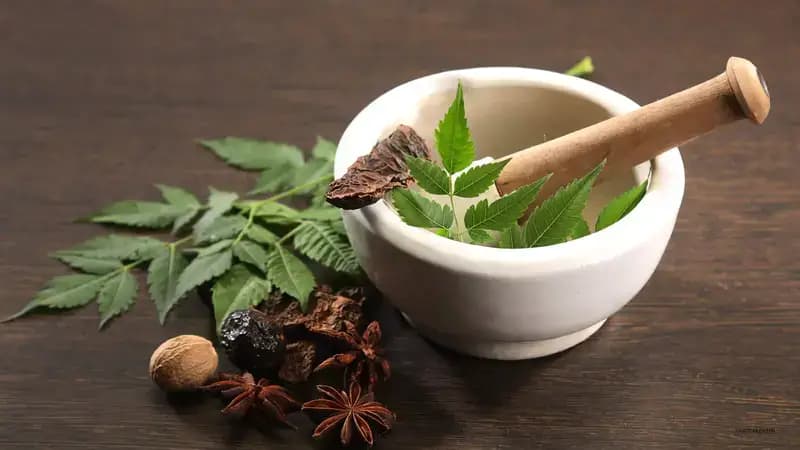
Bakuchi is known for its ability to stimulate melanin production. Applying Bakuchi oil or paste to the affected areas can promote repigmentation.

Bakuchi (Psoralea Corylifolia)

Neem has anti-inflammatory and immunomodulatory properties. Consuming neem leaves or applying neem oil can help manage vitiligo.

Neem (Azadirachta Indica)

Turmeric's anti-inflammatory and antioxidant properties make it a valuable remedy for vitiligo. Mixing turmeric with mustard oil and applying it to the skin can improve pigmentation.

Turmeric (Curcuma Longa)

Ginger juice applied to the affected areas can enhance blood circulation and promote melanin production.

Ginger (Zingiber Officinale)

Lifestyle Modifications

Certain lifestyle changes can support the Ayurvedic treatment of vitiligo and improve overall health:
Stress can exacerbate autoimmune conditions. Practice stress-reducing techniques such as yoga, meditation, and deep breathing exercises.

Manage Stress

Keep the affected areas clean and dry to prevent infections and further complications.

Maintain Proper Hygiene

Use natural, gentle skincare products to avoid irritation and allergic reactions.

Avoid Harsh Chemicals

Protect your skin from excessive sun exposure by wearing protective clothing and using natural sunscreen.

Sun Protection

Ayurvedic Therapies

Ayurvedic therapies can help detoxify the body, balance the doshas, and promote healing. Some effective therapies for vitiligo include:
Panchakarma is a detoxification therapy that involves a series of treatments to cleanse the body and balance the doshas. It includes procedures such as Vamana (emesis), Virechana (purgation), and Basti (enema).

Panchakarma

Abhyanga is a therapeutic oil massage that improves circulation, nourishes the skin, and helps balance the doshas.

Abhyanga

Nasya involves administering herbal oils through the nasal passages. It helps detoxify the sinuses and improve overall health.

Nasya

Shirodhara is a therapy that involves pouring warm herbal oil over the forehead. It helps calm the mind and balance the nervous system.

Shirodhara

Conclusion

Ayurvedic remedies offer a natural and holistic approach to managing vitiligo. By incorporating dietary changes, herbal remedies, lifestyle modifications, and Ayurvedic therapies, individuals can promote repigmentation and improve skin health. It is important to consult with an Ayurvedic practitioner to develop a personalized treatment plan that addresses your specific needs and health conditions. Embracing Ayurveda can lead to long-term relief and overall well-being.

Frequently Asked Questions

Can Ayurveda actually cure vitiligo?

Cure is too strong a word — vitiligo is an autoimmune condition where the immune system destroys melanocytes, and no treatment (Ayurvedic, allopathic, or homeopathic) reliably reverses that fully. What Ayurveda can do: slow progression, help repigmentation of small lesions when combined with sunlight, and reduce psychological distress. Bakuchi (Psoralea corylifolia) is the most-studied Ayurvedic herb; its active compound psoralen is also the basis for allopathic PUVA phototherapy. Realistic outcomes: 30-50% repigmentation on small facial lesions after 6-12 months of combined Bakuchi oil + sun exposure + diet + stress management. Larger or long-standing patches respond less.

How is Bakuchi (Psoralea) used for vitiligo?

Bakuchi oil (extracted from Psoralea corylifolia seeds) is applied to affected patches followed by 15-20 minutes of sunlight exposure — this is essentially Ayurvedic PUVA. Standard protocol: apply Bakuchi oil to depigmented patches in the early morning, expose to sun for 10-15 minutes daily. Important safety notes: Bakuchi is photo-toxic and can cause severe burns, especially on darker Indian skin — always start with 5 minutes of sun exposure and build up. Never apply during high-UV hours (10 am to 3 pm). Oral Bakuchi tablets carry liver-toxicity risk and should only be taken under a BAMS Ayurvedic doctor's supervision with liver-function monitoring.

Should I combine Ayurvedic and allopathic treatment for vitiligo?

Yes — this is standard practice in Indian dermatology. Modern dermatology offers proven options: topical tacrolimus 0.1% (for face, small patches), narrow-band UVB phototherapy in dermatology clinics (best for spreading vitiligo), and surgical melanocyte transplantation for stable large lesions. Combine with Ayurvedic Bakuchi + diet + stress management for holistic care. AIIMS Delhi's dermatology outpatient runs a combined vitiligo clinic that integrates both approaches. Warning: do not skip the dermatologist while trusting Ayurveda alone — untreated spreading vitiligo can cover major body area within 1-2 years.

What dietary changes does Ayurveda recommend for vitiligo?

Ayurveda advises against "viruddha ahara" (incompatible food combinations) and Pitta-Kapha aggravating foods: milk with fish, milk with sour fruits, excess sour or salty foods, cold-refrigerated food, and heavy fried food. Add: bitter greens (methi, karela), turmeric, ghee, coconut water, and easily digestible whole grains. Modern nutrition adds: vitamin B12 and folic acid deficiencies are common in Indian vegetarians with vitiligo — get levels tested and supplement if low; copper- and zinc-rich foods (pumpkin seeds, sesame, cashews) support melanin production. No food eliminates vitiligo, but nutrient deficiencies can accelerate it.

Questions About This Article

Have a question? Ask the author directly.

Have a question about this article?

Ask Zocvi Editorial directly. Your question may help others with similar concerns.

Q:1 answer
Q:1 answer
Q:1 answer
Q:1 answer

Comments (0)

Found this helpful? Share it!

LinkedInWhatsApp

More from Zocvi Editorial

Other Articles You May Like

Dr. Prashant Jain

Ayurvedic Doctor • 12 yrs • Delhi

39 views

Lose Weight Naturally with Ayurveda

Nirmal Ayurved

Embark on a journey to a healthier you! Our expert-guided weight loss programs are designed to help you achieve your fitness goals naturally. Say goodbye to unwanted pounds and hello to a vibrant, healthier lifestyle! At Nirmal Ayurved, we believe in holistic wellness and personalized care. Our Ayurvedic treatments focus on balancing the body and mind, promoting sustainable weight loss without compromising on health. Ready to transform your life and embrace a new you? Consult us now and take the first step towards a healthier, happier future! Call us: +91 7411016510, +91 7703992118 Email: nirmalayurved01@gmail.com, ayufertilitydelhi@gmail.com

Dr. Prashant Jain

Ayurvedic Doctor • 12 yrs • Delhi

62 views

Arjun Ki Chai for a Healthy Heart

Celebrate World Heart Day with Dr.

Celebrate World Heart Day with Dr. Prashant Jain’s Arjun Ki Chai! ❤️🫖On this special occasion of World Heart Day, let’s focus on nurturing our heart health with the natural goodness of Arjun Ki Chall Ki Chai. Dr. Prashant Jain shares this fantastic recipe, packed with benefits to support your heart.🌿 What is Arjun Ki Chall?Derived from the bark of the Terminalia arjuna tree, Arjun has been revered in Ayurvedic medicine for centuries. It’s known to strengthen the heart muscles, improve circulation, and help manage blood pressure.Benefits of Arjun Ki Chall Ki Chai:✅Heart Health: Supports cardiovascular function and reduces cholesterol levels.✅Antioxidant Properties: Fights free radicals, promoting overall health.✅Blood Pressure Regulation: Helps maintain optimal blood pressure levels.✅Digestive Aid: Improves digestion and detoxifies the body.Recipe for Arjun Ki Chall Ki Chai:Ingredients:a. 1-2 tsp Arjun ki Chall powderb. 2 cups waterc. 1-2 tsp honey (optional)d. Lemon slice (optional)Instructions:✅Boil the water in a saucepan.✅Add the Arjun ki Chall powder and let it simmer for 5-7 minutes.✅Strain the tea into a cup.✅Add honey and a slice of lemon if desired for taste.✅Sip and enjoy the benefits!Why Choose Ayurveda?Integrating Ayurvedic practices into your daily routine not only promotes heart health but also enhances your overall well-being. Let’s make a conscious effort this World Heart Day to prioritize our heart health naturally!For more health tips, connect with us: 📞 Call: +91 74110 16510🌐 Visit: www.nirmalayurved.co.in

Find a Doctor for Cancer Treatment Options

Verified specialists across India

Dr. Prashant Jain

Ayurvedic Doctor

12 yrs

Delhi

Nirmal Ayurved
Shahdara – Jyoti Nagar West, Delhi, Delhi, 110094
Fee on request
EmailWhatsApp

Dr. Shrinivas Patil

Ayurvedic Doctor

20 yrs

Belagavi

Shri Ayurved
Madhavpur Vadgaon, Belagavi, Karnataka, 590005
₹150 consultation

Dr. Saurabh Soni

Ayurvedic Doctor

20 yrs

Jhansi

Dr Saurabh Soni Clinic
Jhansi, Jhansi, Uttar Pradesh, 284128
₹300 consultation

Dr. Ritesh Chawla

Ayurvedic Doctor

20 yrs

Amritsar

Deevya Ayurveda and Panchkarma Centre
Kashmir Avenue, Amritsar, Punjab, 143001
₹500 consultation