
Introduction
Ayurvedic treatment for eczema offers natural remedies that help manage symptoms and improve skin health. Eczema, also known as atopic dermatitis, is a chronic skin condition characterized by inflammation, redness, and itching. Ayurveda, the ancient Indian system of medicine, provides a holistic approach to treating eczema by addressing its root causes and promoting overall well-being. This article explores various Ayurvedic treatments for eczema, including natural remedies, herbs, and lifestyle changes.
Understanding Eczema in Ayurveda
In Ayurveda, eczema is considered a result of imbalances in the body's doshas, particularly Pitta and Kapha doshas. These imbalances lead to the accumulation of toxins (ama) in the body, which manifest as skin conditions like eczema.
Common Causes of Eczema
According to Ayurveda, several factors can contribute to the development of eczema, including:
Consuming foods that aggravate Pitta dosha, such as spicy, oily, and acidic foods, can lead to eczema flare-ups.
Dietary Factors
Exposure to allergens, pollutants, and harsh weather conditions can trigger eczema symptoms.
Environmental Factors
Stress and anxiety can imbalance the body's doshas, contributing to skin inflammation and eczema.
Stress
A family history of eczema or other atopic conditions can increase the risk of developing eczema.
Genetics
Ayurvedic Herbs for Eczema
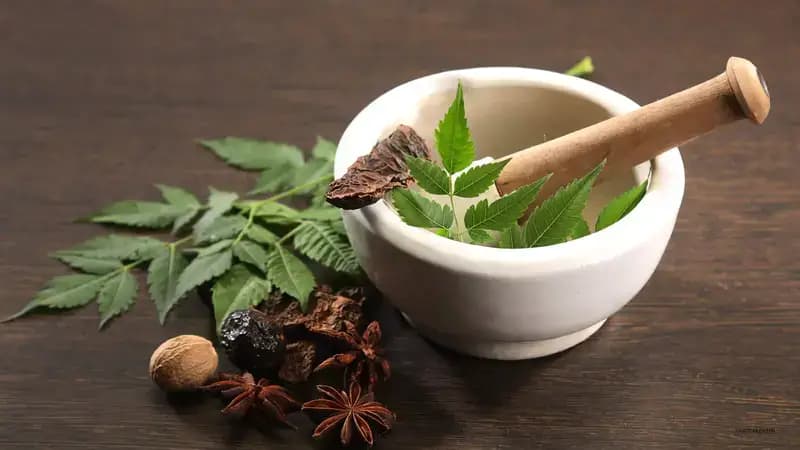
Ayurveda utilizes various herbs known for their anti-inflammatory and healing properties to treat eczema. Some of the most effective herbs include:
Neem has powerful antibacterial and antifungal properties that help cleanse the skin and reduce inflammation.
Neem
Turmeric contains curcumin, a compound with strong anti-inflammatory and antioxidant properties that help soothe irritated skin.
Turmeric
Aloe vera is known for its cooling and moisturizing properties, which can help relieve itching and dryness associated with eczema.
Aloe Vera
Manjistha is a potent blood purifier that helps detoxify the body and improve skin health.
Manjistha
Licorice has anti-inflammatory properties that help reduce redness and swelling in eczema-affected skin.
Licorice
Sandalwood has cooling properties and can help soothe and heal inflamed skin.
Chandana (Sandalwood)
Guduchi is known for its immune-boosting and detoxifying effects, which can help manage eczema symptoms.
Guduchi (Giloy)
Ayurvedic Oils for Eczema
Using Ayurvedic oils can help nourish and heal the skin, providing relief from eczema symptoms. Some beneficial oils include:
Coconut oil is deeply moisturizing and has antibacterial properties that help prevent skin infections.
Coconut Oil
Sesame oil has anti-inflammatory properties and helps balance the skin's natural moisture levels.
Sesame Oil
Almond oil is rich in vitamins E and D, which nourish the skin and promote healing.
Almond Oil
Castor oil has anti-inflammatory and antimicrobial properties that help soothe and protect eczema-affected skin.
Castor Oil
Kumkumadi oil is an Ayurvedic formulation that helps improve skin complexion and reduce inflammation.
Kumkumadi Oil
Ayurvedic Dietary Recommendations for Eczema
A balanced diet is crucial in Ayurveda for managing eczema. Some dietary recommendations include:
Reduce the intake of spicy, oily, and acidic foods that can aggravate Pitta dosha and trigger eczema flare-ups.
Avoid Pitta-Aggravating Foods
Include cooling foods like cucumber, melons, and leafy greens in your diet to balance Pitta dosha.
Incorporate Cooling Foods
Drink plenty of water to keep the skin hydrated and flush out toxins from the body.
Stay Hydrated
Consume fresh fruits, vegetables, whole grains, and lean proteins to support overall health and skin healing.
Eat Fresh and Whole Foods
Drinking herbal teas made from chamomile, turmeric, or licorice can help soothe inflammation and detoxify the body.
Herbal Teas
Ayurvedic Lifestyle Changes for Managing Eczema
Ayurveda emphasizes the importance of lifestyle changes for managing eczema. Some recommendations include:
Practice stress-reducing techniques like yoga, meditation, and deep breathing exercises to help manage eczema symptoms.
Stress Management
Engage in regular physical activity to improve blood circulation and overall health, which can benefit skin conditions.
Regular Exercise
Ensure you get enough sleep to allow the body to repair and regenerate, promoting healthy skin.
Adequate Sleep
Use mild, natural soaps and detergents to prevent skin irritation and dryness.
Avoid Harsh Soaps and Detergents
Choose soft, breathable fabrics to reduce skin irritation and prevent eczema flare-ups.
Wear Loose, Comfortable Clothing
Protect your skin from excessive sun exposure by wearing sunscreen and protective clothing.
Sun Protection
Regularly moisturize your skin using Ayurvedic oils or natural moisturizers to prevent dryness.
Maintain Skin Hydration
Identify and avoid environmental and dietary triggers that can cause eczema flare-ups.
Avoid Triggers
Ayurvedic Treatments and Therapies for Eczema
In addition to herbs and lifestyle changes, Ayurveda offers specific treatments and therapies to manage eczema effectively:
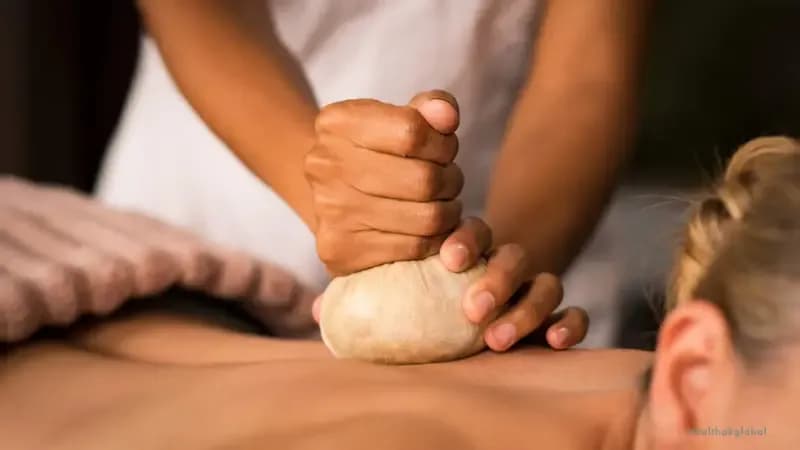
Panchakarma is a detoxification therapy that helps remove toxins from the body, balance the doshas, and improve overall health. It includes treatments like Abhyanga (oil massage), Swedana (herbal steam), and Virechana (purgation).
Panchakarma
Applying herbal pastes made from ingredients like turmeric, neem, and sandalwood can help soothe inflamed skin and promote healing.
Lepa (Herbal Pastes)
Takradhara is a treatment where medicated buttermilk is poured over the forehead. It is beneficial for reducing stress and balancing Pitta dosha, which can help manage eczema symptoms.
Takradhara
Ksheera Dhara involves pouring medicated milk over the body or affected areas. It has cooling and soothing properties that help alleviate itching and inflammation.
Ksheera Dhara
Taking baths with water infused with neem leaves, turmeric, or other anti-inflammatory herbs can help cleanse and heal the skin.
Herbal Baths
Conclusion
Ayurvedic treatment for eczema offers a holistic approach to managing symptoms and improving skin health. By incorporating natural remedies, herbs, dietary changes, and lifestyle modifications, individuals can effectively manage eczema and promote overall well-being. Embracing the principles of Ayurveda not only addresses the symptoms of eczema but also enhances overall health. For personalized advice and treatment, consulting with an Ayurvedic practitioner can provide additional benefits and tailored recommendations. The comprehensive approach of Ayurveda aims to treat the root cause of eczema, ensuring long-term relief and healthier skin.
About Zocvi
Zocvi connects patients with verified doctors and evidence-based health guidance. Visit zocvi.com or reach us on WhatsApp at +91-92724-57637.








Comments (0)