
Introduction to Yoga and Its Benefits for Seniors
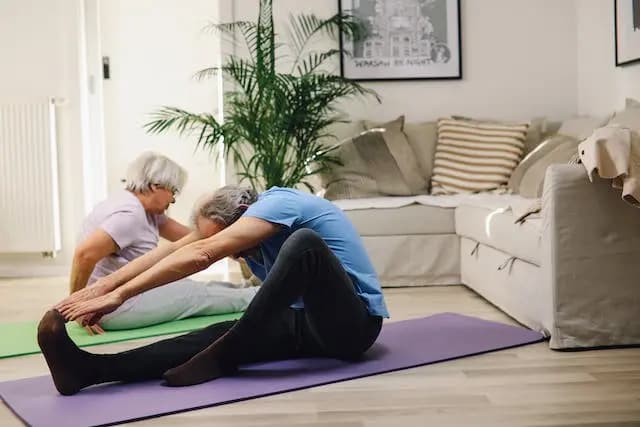
Yoga, an ancient practice combining physical postures, breathwork, and meditation, offers numerous benefits for seniors. It promotes flexibility, strength, balance, and mental well-being. For older adults, yoga can be a gentle way to stay active, reduce stress, and manage health issues related to aging.
Embracing Yoga for a Healthier, Happier Life
Simple Yoga Poses Suited for Older Adults
There are several yoga poses, or asanas, that are particularly suitable for seniors, focusing on gentle stretching and balance. Examples include Chair Pose, Cat-Cow Stretch and Legs-Up-the-Wall Pose.
Accessible Asanas for Every Senior
How to Modify Common Yoga Poses for Different Ability Levels
Modifying yoga poses is key to making yoga accessible for seniors of different ability levels. Using props like chairs, yoga blocks, and straps can help in achieving poses safely. For example, in a standing pose like Warrior II, a chair can be used for balance, or the pose can be done seated.
Making Yoga Accessible for All Seniors
The Importance of Breathwork in Yoga for Seniors
Breathwork, or pranayama, is an integral part of yoga, especially beneficial for seniors. Practices like deep abdominal breathing or Nadi Shodhana (alternate nostril breathing) can improve lung function, reduce anxiety, and enhance overall energy levels.
The Power of Pranayama for Mind and Body
Creating a Safe and Enjoyable Yoga Practice for Seniors
Safety is paramount in senior yoga practice. It's important to listen to the body and avoid pushing into painful positions. Starting with shorter sessions and gradually increasing the duration can help build strength and flexibility safely.
Tips for a Fulfilling Yoga Journey
Integrating Yoga into Daily Life for Lasting Benefits
Integrating yoga into daily life can have lasting benefits for seniors. Regular practice can lead to improved mobility, better sleep quality, and a more positive outlook on life.
Regular Practice for Optimal Health
Exploring Different Styles of Yoga for Seniors
Different styles of yoga, such as Hatha, Restorative, or Yin Yoga, offer varied experiences. Seniors can explore these styles to find what best suits their needs and preferences.
Finding the Right Fit
The Role of Meditation and Mindfulness in Senior Yoga
Yoga is more than physical exercise; it's a holistic practice. Incorporating meditation and mindfulness can enhance the benefits, leading to greater mental clarity and emotional balance.
Beyond Physical Postures
Overcoming Common Challenges in Starting Yoga for Seniors
Starting a new practice like yoga can be challenging for seniors. Addressing common concerns, finding a supportive community, and setting realistic goals can help overcome these hurdles.
Addressing Concerns and Finding Motivation
Yoga as a Tool for Social Connection and Community Building
Yoga can also serve as a tool for social connection. Joining classes or groups can build a sense of community and offer shared experiences, enhancing the overall enjoyment and benefit of the practice.








Comments (0)