
Introduction
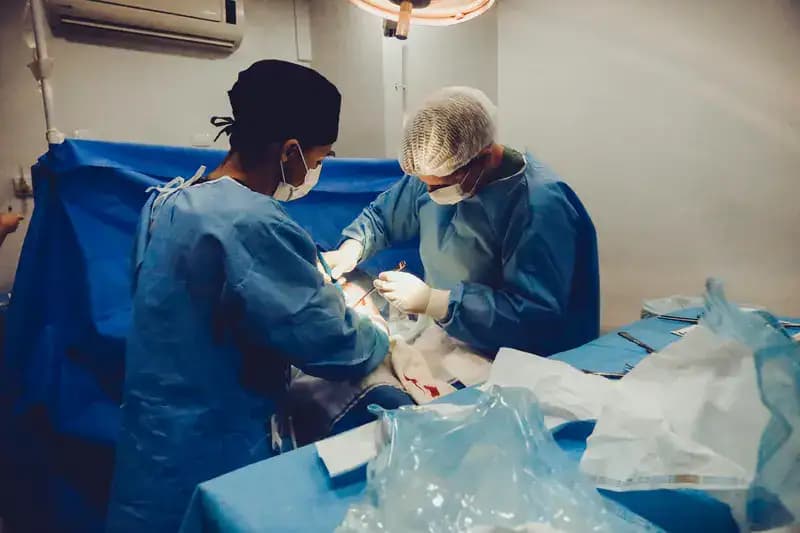
Post operative care is the management and support provided after surgery to ensure a smooth recovery process. According to the World Health Organization (WHO), 20-25% of surgical patients experience complications, most of which can be prevented through proper post operative care. This guide offers practical, research-backed insights into recovery techniques, pain management, and preventing complications.
The Importance of Post Operative Care
Proper post operative care significantly impacts recovery outcomes, reducing complications and improving healing. Key benefits include:
Effective care minimizes infections, blood clots, and respiratory issues, which are common in surgical recovery.
Reduced Risk of Complications:
Proper wound care accelerates healing and reduces scarring, enabling a quicker return to normal activities.
Faster Wound Healing:
Addressing pain with medications and non-pharmacological methods improves patient comfort and mobility.
Pain Management:
Patients who follow structured post operative care experience fewer long-term complications and better quality of life.
Improved Long-Term Outcomes:
Pain Management After Surgery
Post operative pain can delay recovery if not managed effectively. The American Society of Anesthesiologists states that 80% of patients report post-surgical pain, but only 50% receive adequate pain relief. Strategies include:
Doctors prescribe opioids, NSAIDs, or acetaminophen for post operative pain relief. Following prescribed doses is essential to avoid side effects.
Medications:
Ice packs, heat therapy, deep breathing exercises, and guided relaxation techniques help reduce pain naturally.
Non-Pharmacological Techniques:
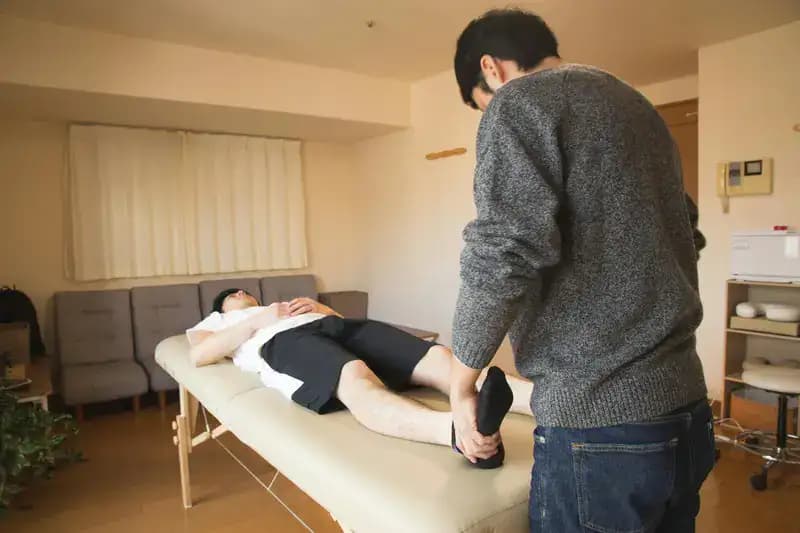
Gentle stretching and mobility exercises under professional guidance improve pain management and recovery.
Physical Therapy:
Wound Care and Infection Prevention
Proper wound care prevents infection and promotes healing. The Centers for Disease Control and Prevention (CDC) report that surgical site infections occur in 2-5% of surgical patients. Effective wound care involves:
Follow your healthcare provider’s instructions for cleaning and changing dressings. Always use sterile materials and clean hands.
Regular Cleaning and Dressing:
Signs of infection include redness, swelling, warmth, discharge, or fever. Prompt medical attention ensures timely treatment.
Monitoring for Infections:
Nutrition and Hydration for Healing
Nutrition and hydration play a pivotal role in recovery. Research highlights that poor nutrition delays healing and increases the risk of complications. A recovery diet includes:
Protein aids tissue repair. Include eggs, lean meat, fish, lentils, and dairy in your meals.
High-Protein Foods:
Vitamin C (found in citrus fruits) and zinc (in nuts and seeds) promote wound healing and immunity.
Nutrient-Rich Vegetables and Fruits:
Drink at least 8-10 glasses of water daily to support bodily functions and prevent dehydration.
Adequate Hydration:
Physical Activity and Gradual Mobility
Mobility post surgery helps prevent complications like blood clots and muscle weakness. Studies reveal that early mobilization reduces recovery time by up to 30%. Key tips include:
Light walking and movement improve blood flow, reducing the risk of deep vein thrombosis (DVT).
Early Movement:
Working with a physical therapist helps restore strength and mobility without overexertion.
Customized Physical Therapy:
Psychological Support During Recovery
Post operative recovery isn’t only physical. Emotional well-being is critical for holistic healing. A study in the Journal of Psychosomatic Research found that patients with positive mental health recover faster and experience less pain. Support strategies include:
Professional counseling helps manage anxiety, depression, or stress post surgery.
Counseling:
Connecting with others who’ve had similar surgeries provides emotional comfort and motivation.
Support Groups:
Case Study: Successful Post Operative Recovery
A 55-year-old patient underwent knee replacement surgery and followed a structured post operative care plan. This included:
1. Pain management with NSAIDs and guided physiotherapy sessions.
2. Nutrient-dense diet focusing on protein and vitamins.
3. Gradual mobility exercises starting within 24 hours post surgery.
Results showed a 50% improvement in mobility within 2 weeks and full recovery within 3 months, highlighting the importance of personalized post operative care plans.
1. Pain management with NSAIDs and guided physiotherapy sessions.
2. Nutrient-dense diet focusing on protein and vitamins.
3. Gradual mobility exercises starting within 24 hours post surgery.
Results showed a 50% improvement in mobility within 2 weeks and full recovery within 3 months, highlighting the importance of personalized post operative care plans.
Conclusion
Post operative care is critical for a smooth and successful recovery following surgery. By focusing on pain management, wound care, nutrition, mobility, and mental health, patients can reduce complications and achieve faster healing. Always consult your healthcare provider for personalized care plans, and adhere to post operative instructions to ensure the best recovery outcomes.
Dedicated Elderly Support by Zocvi
Zocvi offers comprehensive elderly care services to ensure the dignity and safety of seniors. Our expert caregivers provide personalized support, from routine health checks to emotional well-being assistance. Contact our FREE 24 x 7 Healthcare Helpline at +91-92724-57637 for immediate support and assistance.







Comments (0)