Curated by ZOCVI Medical Team

COPD & Chronic Lung Disease

Overview

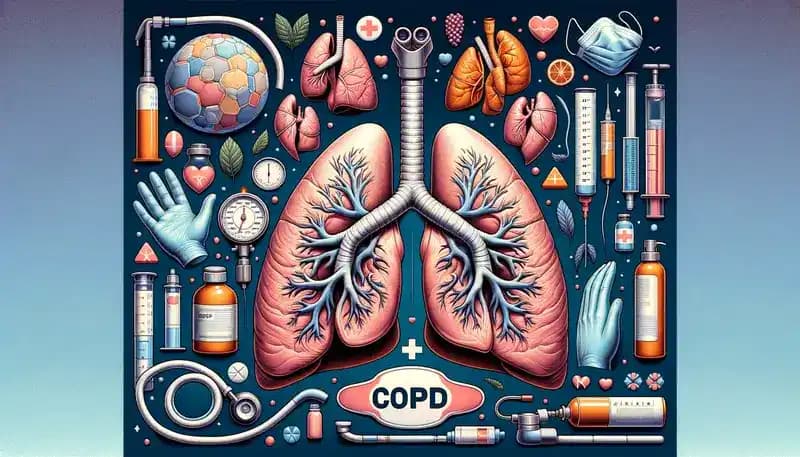
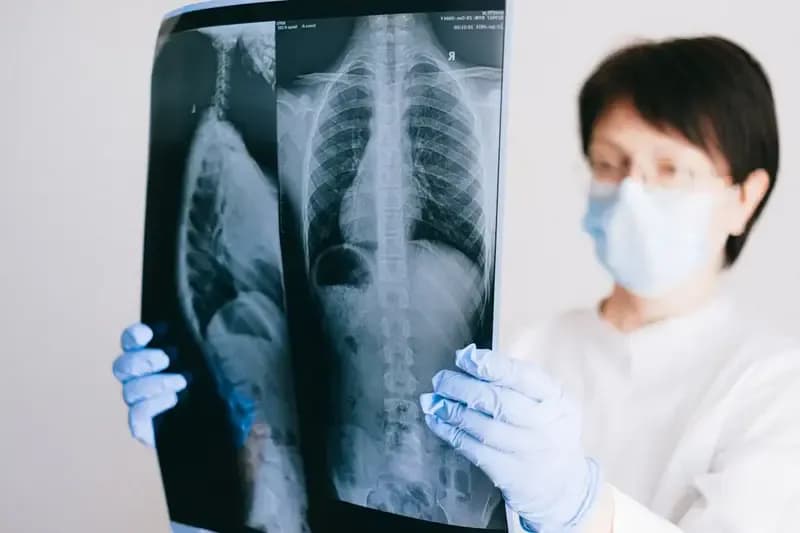
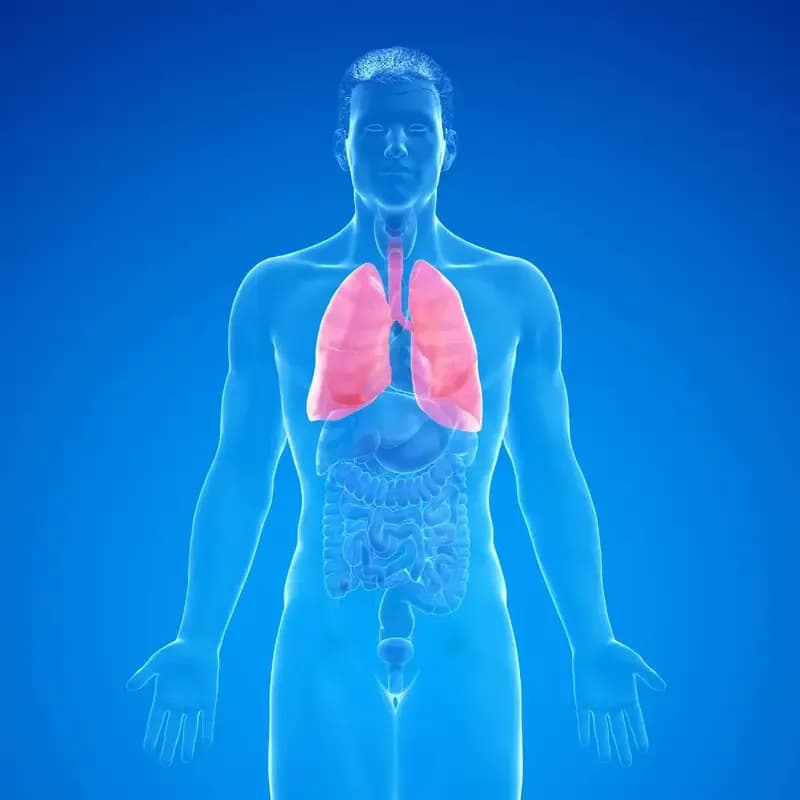
COPD & Chronic Lung Disease covers chronic obstructive pulmonary disease, emphysema, and the progressive lung-function loss driven mostly by tobacco and air pollution. Our pulmonologists and editorial team explain what spirometry shows, what current treatments achieve, the pulmonary-rehabilitation programs that improve quality of life, and when oxygen therapy enters the picture.

Last reviewed: 10 August 2026

Expert Guides

Frequently Asked Questions

Expert answers from our medical team

What is COPD and what causes it?

Chronic obstructive pulmonary disease — a progressive lung condition causing airflow obstruction. Main causes: long-term smoking (biggest), long-term biomass fuel exposure (relevant in rural India where chulha smoke is a major cause, especially for women), long-term severe air pollution, and — less commonly — occupational dust or genetic factors (alpha-1 antitrypsin deficiency). Symptoms: progressive breathlessness, chronic cough, sputum production.

How is COPD different from asthma?

COPD is largely permanent airflow obstruction, typically in adults over 40 with a history of smoking or biomass exposure. Asthma is often reversible airflow obstruction, may start in childhood, often with allergic triggers, and lung function normalises between episodes. Some people have overlapping features (ACO — asthma-COPD overlap). Spirometry testing distinguishes them.

Can COPD be reversed?

No — the lung damage doesn't reverse. But progression can be slowed dramatically by stopping smoking (or biomass exposure), taking prescribed inhalers, pulmonary rehabilitation (structured exercise programme), preventing infections through vaccinations, and treating exacerbations promptly. Even people with advanced COPD can significantly improve function and quality of life with proper care.

What treatments help COPD?

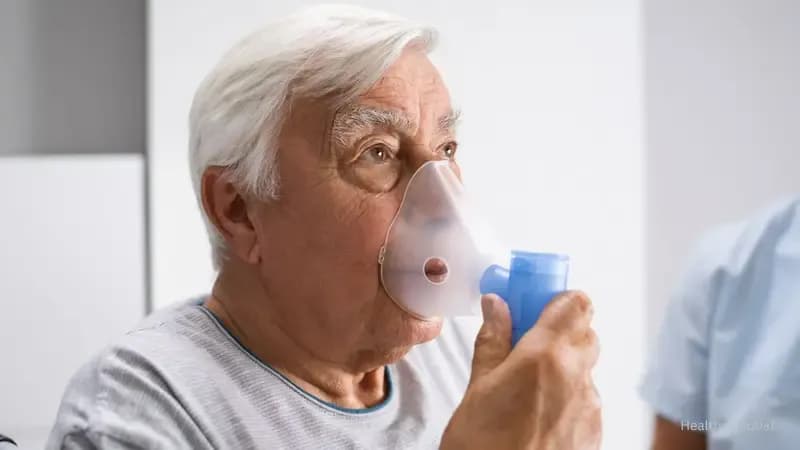
Long-acting bronchodilator inhalers (LABAs, LAMAs), inhaled corticosteroids for some, pulmonary rehabilitation (structured exercise proven to improve breathlessness), vaccinations (flu, pneumococcal, COVID), oxygen therapy for advanced cases, and — for a small subset — lung volume reduction or transplant. Stopping smoking is the single most impactful intervention at any stage.

How do I know when to go to hospital with COPD?

Worsening breathlessness despite reliever use, increased sputum production or change to green/yellow, fever, chest pain, extreme fatigue, confusion, or blue-tinged lips or fingertips — all warrant urgent evaluation. Sudden severe attacks are dangerous. A home oxygen monitor (pulse oximeter) is useful for people with COPD; oxygen saturation dropping below 90% needs medical attention.

Community Questions

Questions from our community members

Have a question about this topic?

Ask our medical community. Your question may help others with similar concerns.

No questions yet. Be the first to ask!

Find a Doctor for COPD & Chronic Lung Disease

Verified specialists across India

Dr. Krishna Singh

Pulmonologist & Chest Physician

16 yrs

Bhopal

Siddhanta Red Cross Superspeciality Hospital
Nayapura, Bhopal, Madhya Pradesh, 462030
₹500 consultation

Dr. Sameer Lote

Pulmonologist & Chest Physician

10 yrs

Nagpur

Panacea Clinic
Dhantoli, Nagpur, Maharashtra, 440012
₹500 consultation

Dr. Roshan Singh Rathore

Pulmonologist & Chest Physician

15 yrs

Raipur

Rathore Chest Clinic
Devendra Nagar, Raipur, Chhattisgarh, 492001
₹500 consultation

Dr. Ravi Shekhar Jha

Pulmonologist & Chest Physician

16 yrs

Faridabad

Fortis Escorts Hospital, Faridabad
AC Nagar, Faridabad, Haryana, 121001
₹700 consultation