
Understanding Myopia (Testing)- Dr. Suchit Dadia
Myopia (nearsightedness) is a common condition that’s usually diagnosed before age 20. It affects your distance vision.
1 comment

Children's vision problems are not simply small-adult problems — they have developmental urgency that adults don't face. Amblyopia (lazy eye) and squint must be detected and treated before age 7-8, when the brain's visual pathways are still plastic and can be trained. After that critical window, treatment is far less effective and the visual loss may be permanent. In India, children's eye problems are massively underdetected — many children with significant refractive errors don't receive glasses because parents don't notice the symptoms or assume the child will 'grow out of it.' School vision screening programmes exist but coverage is patchy. A child who squints, sits too close to the television, holds books very close, or has one eye that appears to turn in or out should be seen by a paediatric ophthalmologist promptly.
Last reviewed: 11 August 2026
Myopia (nearsightedness) is a common condition that’s usually diagnosed before age 20. It affects your distance vision.

Ever wonder what -2.5 or +1.75 really means on your glasses prescription? 🤓 It’s not Greek — it’s Eye Science! 👁️ Here’s a quick breakdown to help you decode your prescription like a pro. 🎥 Watch,...
Recurring eye discharge is not always " JUST AN INFECTION ". Sometimes it's a blocked tear duct , known as Nasolacrimal Duct Obstruction. The good news !?! It can be cured with a Small Surgery! ONLY EYE DROPS DO NOT WORK.Take every Eye discharge seriously if it's there for a long time , or it happens again and again by pressing near the corner of the eye , as seen in the video.Contact / DM to know more .Wishing you the Best of Eye Health always!#eye #drsuchitdadia #ophthalmology #healthyeyes #drsuchit #eyehealth #eyedischarge #eyediseases #srveyehospital
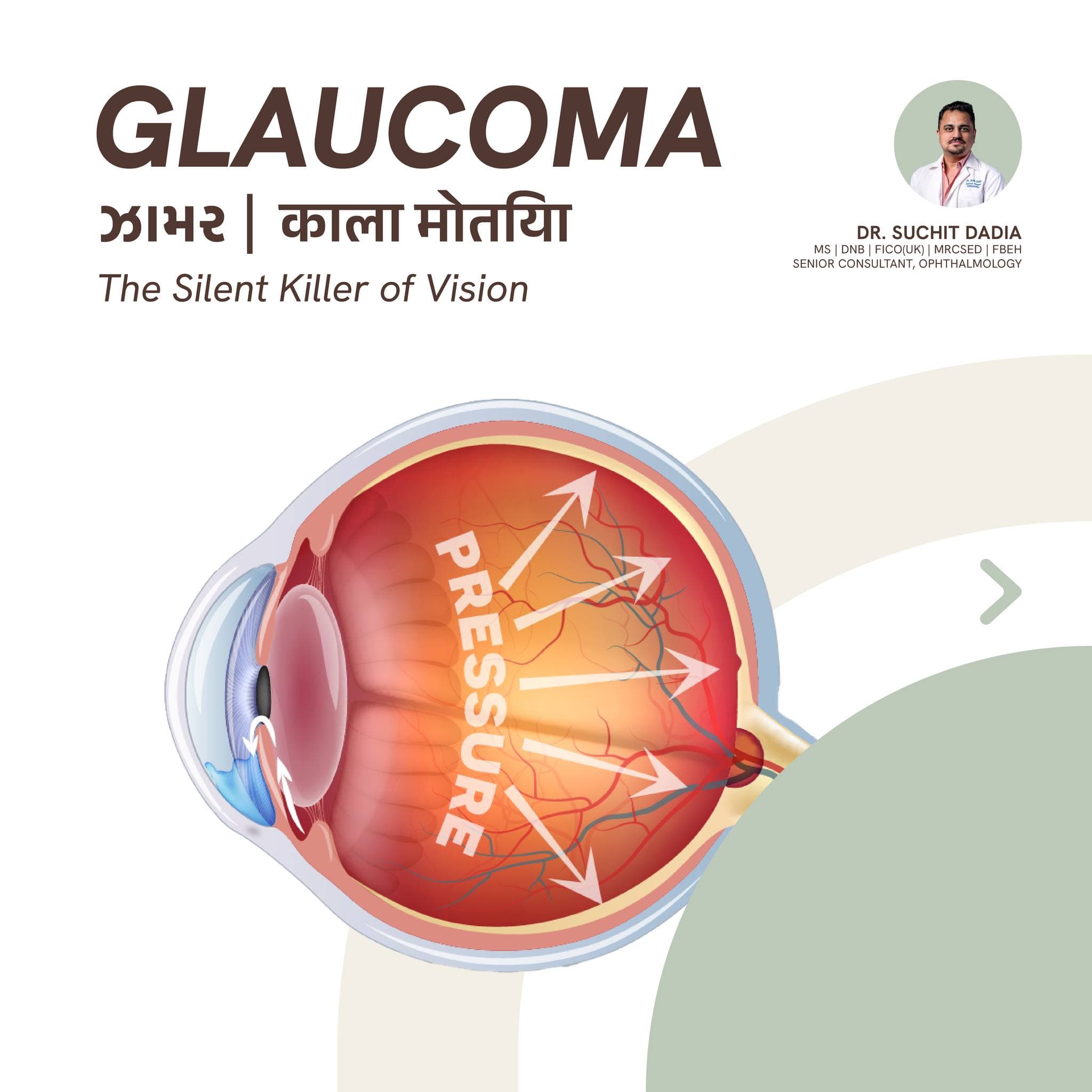
Glaucoma is a group of eye conditions that damage the optic nerve, often caused by increased pressure in the eye. Think of it as high blood pressure for your eyes—it’s quiet, painless, but can slowly steal your vision if not treated in time.It often shows no symptoms in its early stages, yet it can lead to permanent blindness if left undetected. Regular eye check-ups are the key to early detection and effective management.If you're over 40 or have a family history of Glaucoma, get your eyes tested today. Protect your vision before it’s too late!Glaucoma is a group of eye conditions that damage the optic nerve, often caused by increased pressure in the eye. Think of it as high blood pressure for your eyes—it’s quiet, and painless, but can slowly steal your vision if not treated in time.
The Colour Assessment and Diagnosis (CAD) test is a sophisticated and comprehensive method used to evaluate colour vision deficiencies and ensure accurate colour perception.
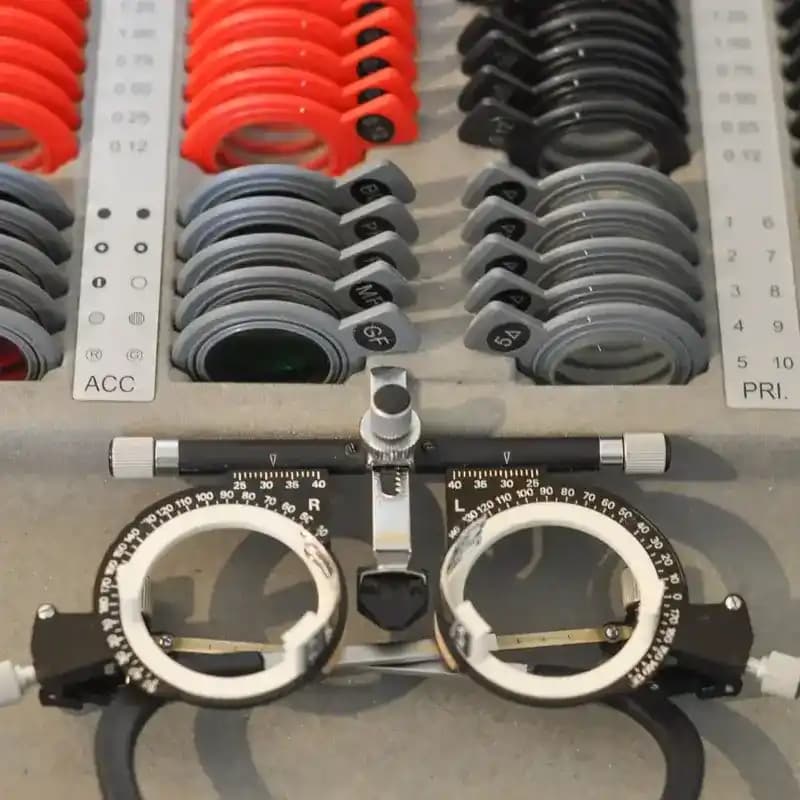
Low vision aids are revolutionary tools that enable individuals with visual impairments to perform daily tasks efficiently, fostering independence and improving quality of life.

The right treatment for eye flu depends entirely on the cause. Viral conjunctivitis needs supportive care only; bacterial needs antibiotic drops; allergic needs antihistamines; irritant needs flushing. Getting the type wrong wastes time and can make it worse.
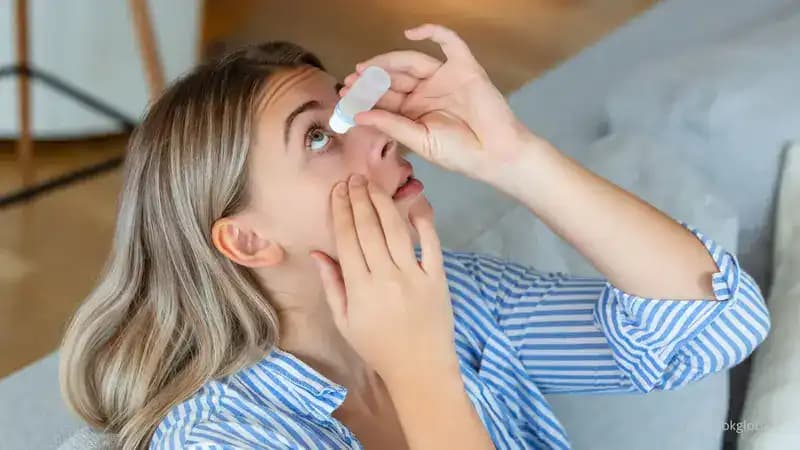
Eye flu (viral conjunctivitis) usually clears in 7-14 days with home care, cold compresses, artificial tears, strict hand hygiene, and staying home to avoid spreading it. Here is what actually helps, what to avoid, and when antibiotics or steroid drops are appropriate.
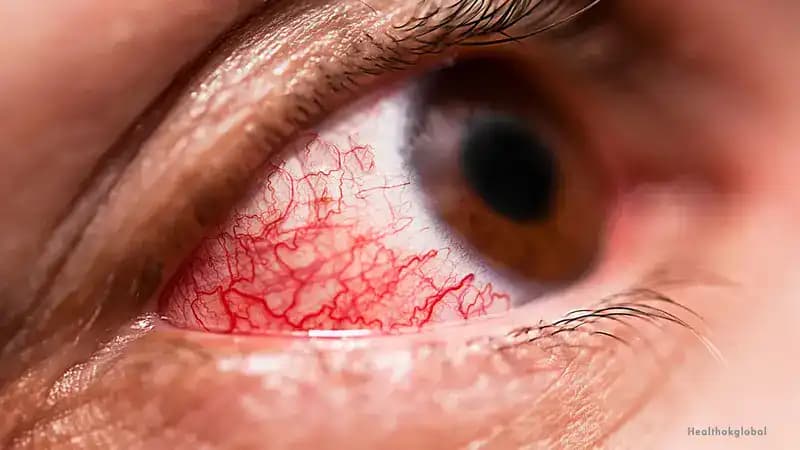
Conjunctivitis, commonly known as eye flu, is an inflammation of the conjunctiva that causes redness, irritation, and discomfort.
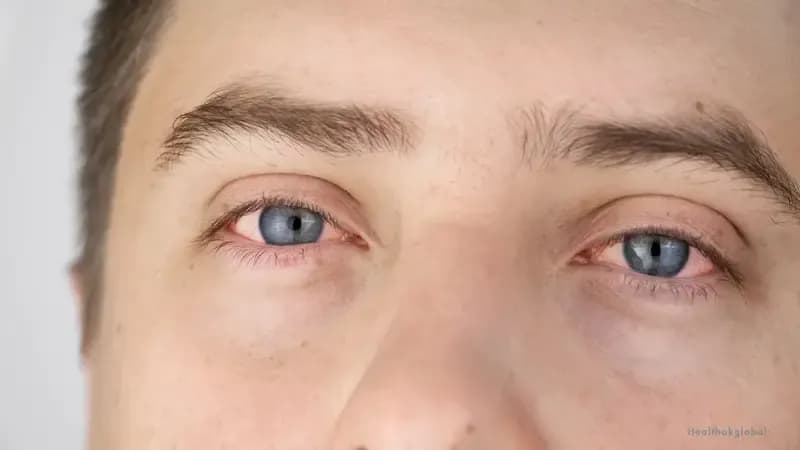
Eye flu is a catch-all term for conjunctivitis with different causes, most commonly adenovirus (viral, highly contagious), sometimes bacteria, allergies, or irritants like chlorine or pollution. Knowing the cause changes how it should be treated.

Eye flu, commonly known as viral conjunctivitis, is an inflammation of the conjunctiva, the thin, clear tissue covering the white part of the eye and the inside of the eyelids.
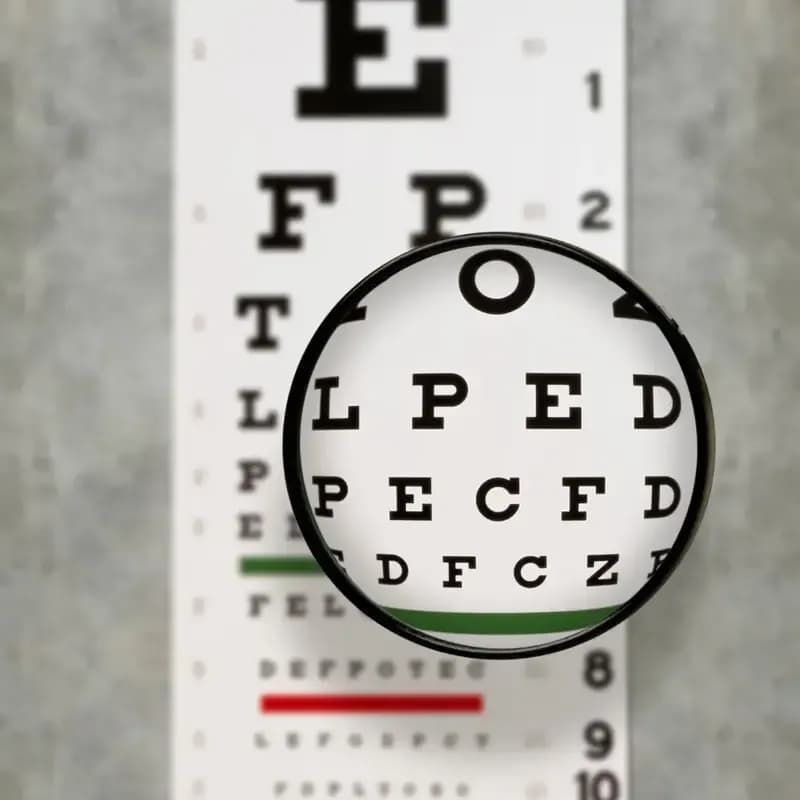
Are you struggling with high eye number and seeking ways to enhance your vision?
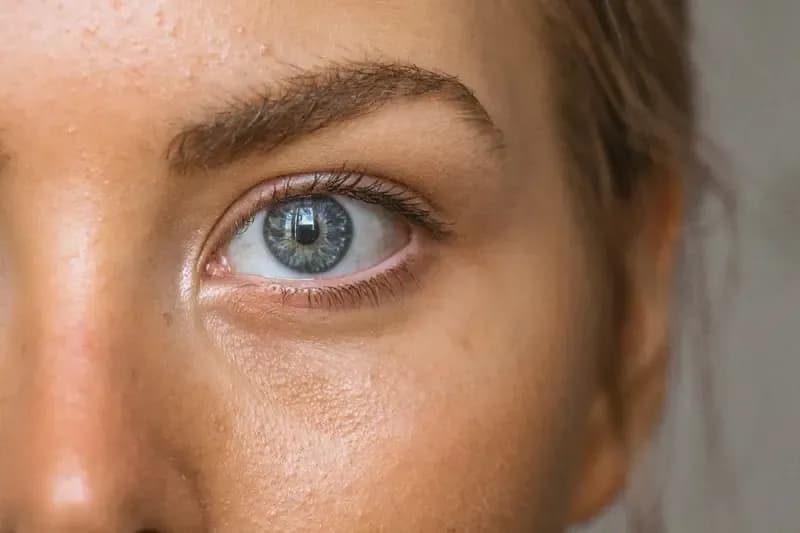
Eyes are our windows to the world, but unfortunately, not everyone enjoys perfect vision.
Verified specialists across India
Amblyopia is reduced vision in one eye (occasionally both) caused by abnormal visual development in childhood — the brain suppresses the image from the weaker eye to avoid double vision or blur. It is not a structural problem with the eye itself (the eye is usually physically normal) but a developmental wiring problem in the visual cortex. Causes: unequal refractive error between the two eyes (anisometropia), squint (the brain suppresses the turned eye), or anything blocking vision in early childhood (cataract, droopy eyelid). Treatment: correct the underlying cause (glasses, cataract surgery), then force the weaker eye to work by patching the stronger eye for several hours daily. The critical window is before age 7-8; treatment is most effective under 5. Late-detected amblyopia in adults has limited treatment response, underscoring why early screening matters.
A squint (strabismus) is a misalignment of the eyes — one or both eyes turn in (esotropia), out (exotropia), up, or down. Obvious squints are noticed by parents; subtle squints can be missed. Signs to watch for: one eye that appears to wander or point in a different direction, tilting or turning the head to see clearly, closing one eye in bright sunlight, or a 'white reflex' in photos where one eye looks white instead of the normal red-eye. All babies have intermittent eye wandering in the first 2-3 months — this is normal. A persistent squint beyond 3-4 months of age, or any squint in an older child, needs prompt paediatric ophthalmology evaluation. Don't accept 'he'll grow out of it' — squints don't resolve on their own and cause amblyopia if untreated.
Red reflex test at birth (done by paediatrician or neonatologist) — screens for congenital cataract and serious eye pathology. Screening at 3-4 years — amblyopia, squint, and significant refractive error detection; even children who cannot read a chart can be tested with picture charts and objective refraction. School-entry screening (age 5-6) — vision chart assessment catches most significant refractive errors. Annual check thereafter if risk factors exist: a parent or sibling with high myopia, known squint or amblyopia, premature birth (retinopathy of prematurity), or systemic conditions that affect eyes (diabetes, certain syndromes). Signs that should trigger immediate evaluation at any age: asymmetric red reflex, any squint, white pupil, persistent watering, unusual eye movements, or a child who is clearly struggling to see.
No — glasses don't weaken eyes and this is a common and harmful misconception. Glasses correct the refractive error so the child sees clearly; not wearing them when needed allows amblyopia to develop or worsen, and causes unnecessary visual deprivation during a critical developmental window. Children with significant hyperopia (long-sightedness) need glasses to see clearly up close and to prevent the accommodative effort from causing a convergent squint. Children with myopia need glasses for distance — not wearing them doesn't slow myopia progression (evidence shows it may accelerate it, as the blur signal may drive the eye to elongate further). Glasses prescribed by a properly qualified optometrist or ophthalmologist after a careful refraction are appropriate and necessary — not overtreatment.
Colour blindness (colour vision deficiency) is usually inherited (X-linked, affecting approximately 8% of males and 0.5% of females) and involves absent or abnormal cone photoreceptors — most commonly affecting red-green discrimination. There is currently no treatment that corrects the underlying cone deficiency. Special tinted contact lenses and glasses (EnChroma lenses) can enhance colour contrast for some people with red-green deficiency, improving colour discrimination in certain situations, though they don't restore normal colour vision and effects vary. Acquired colour blindness (from optic nerve disease, macular degeneration, or medications) is a separate issue — treated by addressing the underlying condition. The practical focus for children is awareness: informing teachers about colour vision deficiency so tasks requiring colour identification are adapted, and steering career guidance (certain professions — air traffic control, some armed forces roles, electrical wiring — require normal colour vision).
Ask our medical community. Your question may help others with similar concerns.
No questions yet. Be the first to ask!