
Introduction
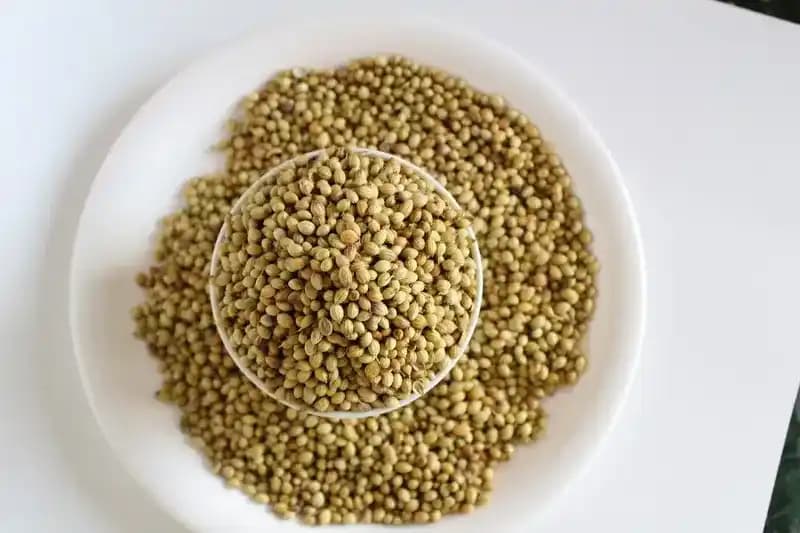
In the realm of spices, few hold as much versatility and health benefits as coriander powder. Also known as dhania powder, this aromatic spice derived from the dried seeds of the coriander plant offers many advantages for culinary and medicinal purposes. Let's delve into the incredible health benefits of coriander powder and how it can elevate your well-being.
Understanding the Nutritional Composition of Coriander Powder
Coriander powder is rich in essential nutrients, including dietary fiber, vitamins, and minerals. It contains notable amounts of vitamin C, vitamin K, manganese, and iron. Additionally, it is a potent source of antioxidants and phytonutrients, which play crucial roles in promoting overall health and combating various diseases.
Enhancing Digestive Health with Coriander Powder
One of the most renowned benefits of coriander powder lies in its ability to aid digestion. The compounds present in coriander powder stimulate the production of digestive enzymes, facilitating the breakdown of food and promoting better nutrient absorption. Incorporating coriander powder into your meals can alleviate digestive issues such as bloating, gas, and indigestion.
Harnessing the Antioxidant Properties of Coriander Powder
Coriander powder is packed with antioxidants such as flavonoids, phenolic compounds, and terpenoids. These powerful antioxidants help neutralize free radicals in the body, thereby reducing oxidative stress and lowering the risk of chronic diseases such as cancer, heart disease, and diabetes. Regular consumption of coriander powder can contribute to overall health and longevity.
Harnessing the Anti-inflammatory Effects of Coriander Powder
Inflammation is a natural response of the body to injury or infection, but chronic inflammation can lead to various health issues. Coriander powder possesses anti-inflammatory properties attributed to its high concentration of bioactive compounds. Incorporating coriander powder into your diet may help alleviate inflammation-related conditions such as arthritis, asthma, and inflammatory bowel diseases.
Promoting Skin Health with Coriander Powder
Coriander powder is not only beneficial internally but also for the skin. Its antimicrobial and anti-inflammatory properties make it effective in treating skin conditions such as acne, eczema, and fungal infections. Moreover, the antioxidants found in coriander powder help combat skin aging by preventing damage from free radicals, resulting in a healthier and more youthful complexion.
Culinary Delights: Creative Ways to Use Coriander Powder
Apart from its numerous health benefits, coriander powder adds a burst of flavor to dishes across various cuisines. From Indian curries to Mexican salsas, its aromatic and slightly citrusy taste enhances the overall culinary experience. Coriander powder's versatility extends beyond traditional cooking methods, seamlessly enhancing many culinary creations. A mere pinch can transform soups, stews, and broths, infusing them with an extra depth of flavor. It becomes a star player in marinades and rubs, blending harmoniously with spices like cumin, paprika, and garlic to create tantalizing blends for meats and vegetables. Sprinkled over salads, it adds a fragrant and zesty kick, elevating the freshness of greens. In the realm of homemade spice blends, coriander powder takes center stage, enriching blends like garam masala or taco seasoning with its distinct aroma and taste. Even in baked goods, it works its magic, offering a unique twist to bread, muffin, or cookie recipes with its aromatic essence and subtle citrusy notes. Incorporating coriander powder into these diverse culinary endeavors opens a world of possibilities, enriching dishes with its unparalleled flavor profile.
Conclusion
Coriander powder is not just a culinary staple but also a powerhouse of health benefits. From improving digestion and boosting antioxidant activity to promoting skin health and reducing inflammation, its versatility knows no bounds. By incorporating coriander powder into your daily diet, you can harness its full potential and embark on a journey towards optimal health and well-being. So, why not spice up your life with a dash of coriander powder today?






Comments (0)