Yoga for High BP: Effective Poses and Practices for Blood Pressure Management

Yoga for High BP: Effective Poses and Practices for Blood Pressure Management

Overview

Yoga is a holistic practice that offers numerous benefits for both physical and mental well-being.

Introduction

Yoga is a holistic practice that offers numerous benefits for both physical and mental well-being. When it comes to managing high blood pressure (BP), incorporating yoga into your routine can be highly beneficial. In this guide, we'll explore effective yoga poses and practices for blood pressure management.

Understanding High BP

High BP, or hypertension, is a common condition characterized by elevated blood pressure levels. If left untreated, high BP can increase the risk of serious health problems, including heart disease, stroke, and kidney failure. Lifestyle changes, including regular exercise and stress management techniques like yoga, can help manage high BP.

What is High BP?

Yoga offers a holistic approach to health that addresses both the physical and mental aspects of well-being. Regular practice of yoga has been shown to lower blood pressure, reduce stress levels, improve circulation, and promote overall cardiovascular health. By incorporating yoga into your routine, you can effectively manage high BP and reduce the risk of associated health complications.

The Benefits of Yoga for High BP

Yoga Poses for High BP

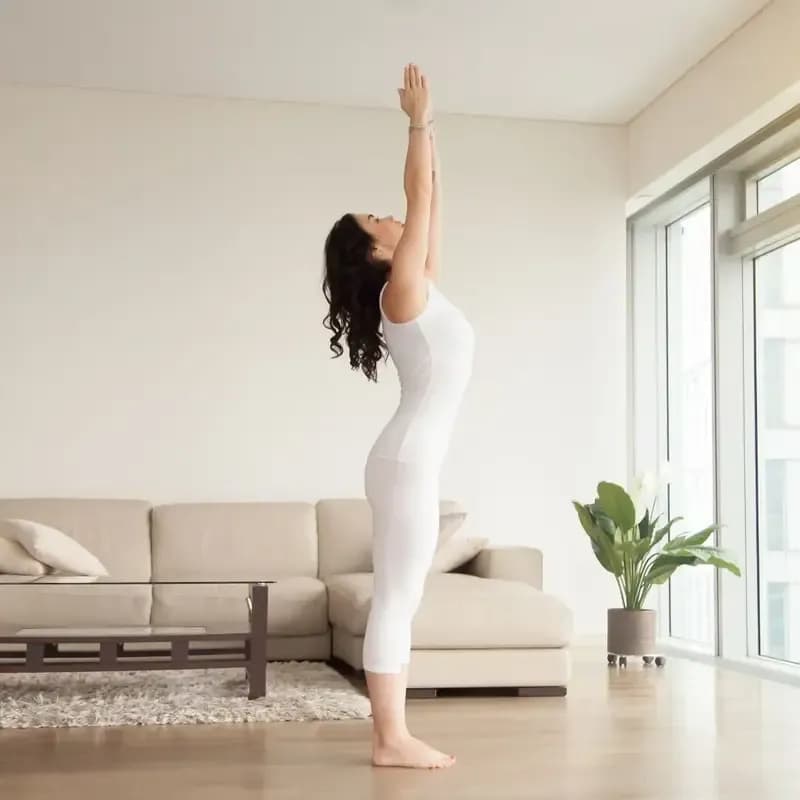
Mountain Pose is a foundational yoga pose that helps improve posture, balance, and focus. To practice Mountain Pose, stand tall with your feet hip-width apart, arms relaxed at your sides, and shoulders rolled back. Engage your core muscles and imagine yourself rooted firmly into the ground, like a mountain.

Mountain Pose (Tadasana):

Forward Fold is a calming yoga pose that stretches the hamstrings, back, and spine while also promoting relaxation. Begin in Mountain Pose, then exhale as you hinge forward at the hips, keeping your spine long and chest reaching toward your thighs. Allow your head to hang heavy and relax your neck.

Forward Fold (Uttanasana):

Downward-Facing Dog is a dynamic yoga pose that strengthens the arms, shoulders, and legs while also lengthening the spine and relieving tension. Start on your hands and knees, then lift your hips toward the ceiling, straightening your arms and legs to create an inverted V shape with your body.

Downward-Facing Dog (Adho Mukha Svanasana):

Child's Pose is a gentle yoga pose that promotes relaxation and stress relief while also stretching the back, hips, and thighs. Begin on your hands and knees, then sink your hips back toward your heels as you extend your arms forward and lower your forehead to the mat.

Child's Pose (Balasana):

Yoga Practices for High BP Management

Mindful breathing techniques, such as deep belly breathing and alternate nostril breathing, can help calm the nervous system, reduce stress, and lower blood pressure levels. Practice these techniques regularly to promote relaxation and improve overall cardiovascular health.

Mindful Breathing Techniques:

Gentle flowing sequences, such as Sun Salutations or Moon Salutations, can help increase circulation, improve flexibility, and reduce tension in the body. Flowing through these sequences mindfully can promote relaxation and reduce stress, leading to lower blood pressure levels over time.

Gentle Flowing Sequences:

Restorative yoga focuses on deep relaxation and passive stretching, making it an ideal practice for managing high BP. Supported poses, gentle stretches, and guided relaxation techniques help release tension, calm the mind, and promote overall well-being.

Restorative Yoga:

Incorporating Yoga into Your Routine

To reap the benefits of yoga for high BP management, aim to practice regularly, ideally several times a week. Start with gentle poses and practices, gradually increasing intensity and duration as your strength and flexibility improve. Remember to listen to your body and modify poses as needed to ensure comfort and safety.

Consultation and Professional Guidance

While yoga can be a valuable complement to conventional medical treatments for high BP, it's essential to consult with a healthcare professional before starting any new exercise regimen, especially if you have pre-existing health conditions. They can provide personalized recommendations based on your individual health needs and ensure safe and effective blood pressure management.

Conclusion

Yoga offers a holistic approach to managing high BP, addressing both the physical and mental aspects of well-being. By incorporating yoga poses and practices into your routine, you can effectively lower blood pressure levels, reduce stress, and promote overall cardiovascular health. Whether you're a beginner or an experienced practitioner, yoga can be a valuable tool for managing high BP and improving your quality of life.

Frequently Asked Questions

Does yoga actually lower blood pressure?

Yes, with evidence. Randomized studies show regular yoga practice (3-5 times weekly for 8+ weeks) reduces systolic BP by 5-10 mmHg and diastolic by 3-5 mmHg. The effect comes mainly from stress reduction, parasympathetic nervous system activation, and improved vascular flexibility. Consistent practice matters more than intensity — 20-30 minutes daily beats occasional long sessions.

Which yoga poses are best for high BP?

Shavasana (corpse pose — deep relaxation), Sukhasana (easy seated pose with slow breathing), Balasana (child's pose), Setu Bandhasana (bridge pose, done gently), and Viparita Karani (legs-up-the-wall). Pranayama practices — Anulom Vilom, Bhramari, Ujjayi — are equally important. Slow, gentle, restorative styles beat intense flow classes for BP control.

Which yoga poses should I avoid with high BP?

Full inversions like Sirsasana (headstand) and Sarvangasana (shoulder stand) — they spike BP dangerously. Deep backbends (Chakrasana), intense breath holds, Kapalabhati and Bhastrika pranayama at fast pace, and hot yoga (Bikram) all raise BP acutely. If BP is uncontrolled or above 160/100, wait until stabilised on medication before starting any yoga. Learn from a qualified teacher who knows your condition.

Questions About This Article

Have a question? Ask the author directly.

Have a question about this article?

Ask Zocvi Editorial directly. Your question may help others with similar concerns.

Q:1 answer
Q:1 answer
Q:1 answer

Comments (0)

Found this helpful? Share it!

LinkedInWhatsApp

More from Zocvi Editorial

Other Articles You May Like

Dr. Prashant Jain

Ayurvedic Doctor • 12 yrs • Delhi

53 views

6 Ways to Prevent Hypertension

Nirmal Ayurved

6 effective methods for preventing hypertension: control your stress, maintain a healthy weight, consume a well-balanced diet, reduce salt intake, engage in regular exercise, and keep track of your blood pressure. By incorporating these habits into your daily routine, you can significantly lower your risk of hypertension and promote overall well-being.#hypertension #diabetes #health #healthylifestyle #bloodpressure #highbloodpressure

Dr. Prashant Jain

Ayurvedic Doctor • 12 yrs • Delhi

64 views

Heart Health Tips by Dr. Prashant Jain

Nirmal Ayurved

Keeping your heart healthy is essential for a long, vibrant life. Nirmal Ayurved is here to help you with practical tips and expert guidance from Dr. Prashant Jain (BAMS, MD, PhD). Top Tips for a Healthy Heart:Lose Weight if Overweight: Shedding those extra pounds can significantly improve your heart health. Eat a Heart-Healthy Diet: Incorporate fruits, vegetables, whole grains, and lean proteins into your meals. Don't Use Tobacco: Quitting smoking is one of the best things you can do for your heart. Avoid Alcohol: Limit or eliminate alcohol consumption to reduce strain on your heart. Increase Physical Activity: Aim for at least 2.5 hours of exercise per week. Even brisk walking can make a big difference! Regular Health Check-ups: Monitor your blood pressure and blood sugar levels regularly to stay ahead of potential issues. Consult with Dr. Prashant Jain for personalized advice and holistic care! Contact Us:+91 7411016510+91 7703992118 Email:nirmalayurved01@gmail.comayufertilitydelhi@gmail.comTake charge of your heart health today with Nirmal Ayurved!

Dr. Janmejay Jamdar

Neurosurgeon • 18 yrs • Jabalpur

39 views

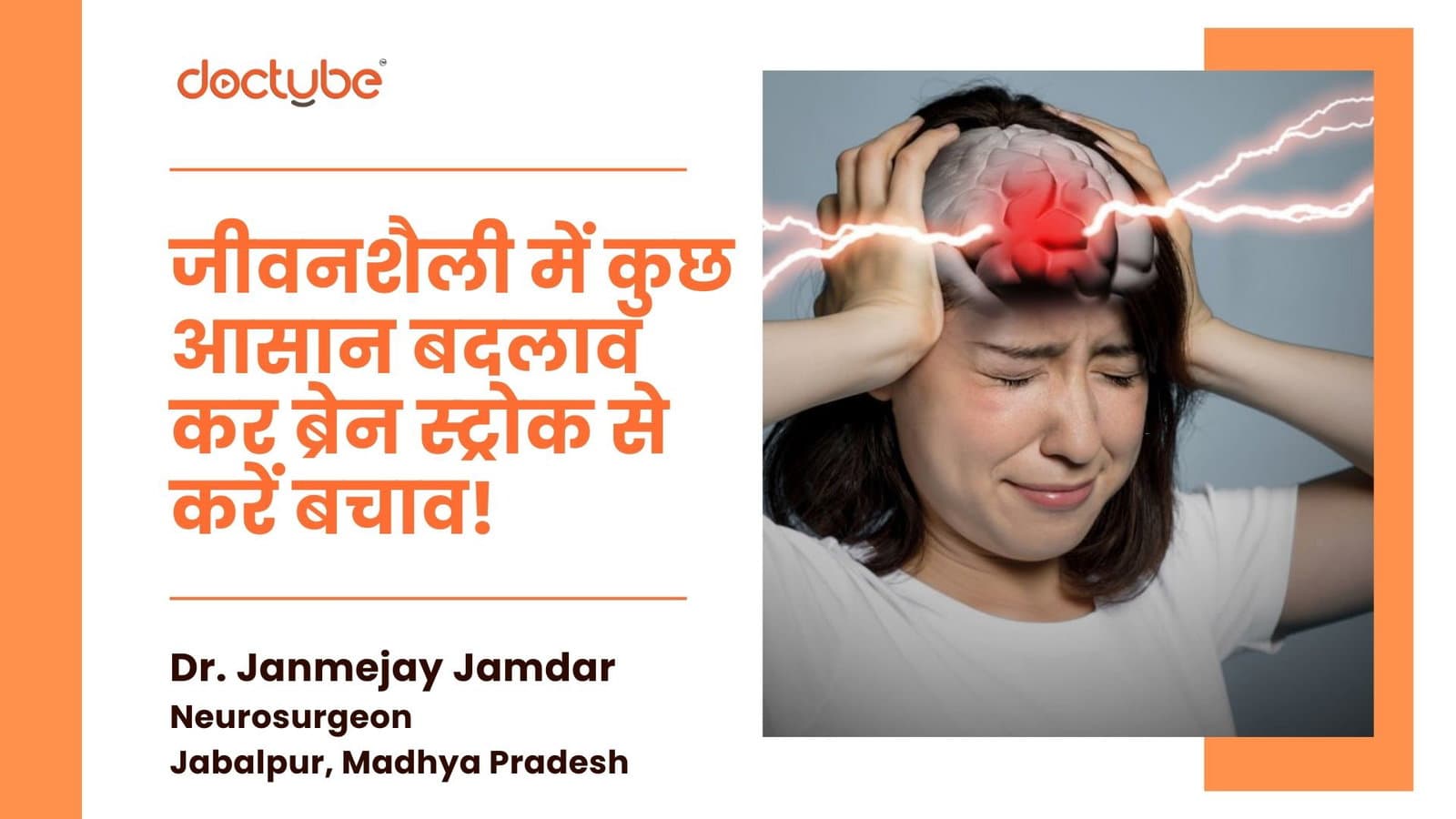
जीवनशैली में कुछ आसान बदलाव कर ब्रेन स्ट्रोक से करें बचाव!

जीवनशैली में कुछ आसान बदलाव कर ब्रेन स्ट्रोक से करें बचाव!

ब्रेन स्ट्रोक से बचाव के लिए हेल्दी लाइफस्टाइल अपनाएं। अगर किसी को शुगर, बीपी या थाइरॉइड की शिकायत है तो उसे कंट्रोल करें। इससे ब्रेन स्ट्रोक की संभावना काफी हद तक कम हो जाती है। हर रोज ब्रिस्क वॉक करें और पोषण युक्त खाने का सेवन करें। आजकल लोग बाहर का खाना ज्यादा पसंद करते हैं। इस खाने में चर्बी, शुगर व हानिकारक तत्व मौजूद होते हैं जो व्यक्ति को नुकसान पहुँचा सकते हैं। इसीलिए बाहर के खाने से परहेज करें। इसके साथ ही धूम्रपान और शराब का सेवन भी ना करें। डॉ. जन्मेजय जामदार, न्यूरोसर्जन, ब्रेन स्ट्रोक से बचाव के लिए जीवनशैली में कुछ आवश्यक बदलाव करने की सलाह देते हुए।

Related Topics

Find a Doctor for Blood Pressure Management

Verified specialists across India

Dr. T A Madheswaran

Cardiologist

Coimbatore

Sri Ramakrishna Hospital
Balasundaram Layout, Coimbatore, Tamil Nadu, 641044
Fee on request

Dr. V C Chauhan

Cardiologist

33 yrs

Vadodara

Atmajyoti Clinic
Ellora Park, Vadodara, Gujarat, 390021
₹1200 consultation

Dr. Rohit Bhagat

Cardiologist

13 yrs

Ghaziabad

Mediwin Hospital
Sector 11, Ghaziabad, Uttar Pradesh, 201002
₹800 consultation

Dr. Maneesh rai

Cardiologist

17 yrs

Mangaluru

KMC Hospital
Hampankatta, Mangaluru, Karnataka, 575001
₹450 consultation