
Overview
You can have high blood pressure, go to work every day, exercise, sleep normally and feel completely fine.
That is what makes hypertension easy to overlook.
Many people expect high blood pressure to cause a headache, dizziness, a racing heart or some other obvious warning. But for most people, there may be no symptoms at all.
This does not mean high blood pressure is harmless. The problem is that persistently increased pressure inside the arteries can affect organs over time—even when you don't feel anything happening.
Why Doesn't High Blood Pressure Cause Symptoms?
Your body can often adapt to gradually increasing blood pressure.
When blood pressure rises slowly, you may not experience a sudden sensation that something is wrong. Instead, the cardiovascular system continues functioning while the arteries and organs are exposed to higher pressure.
Think of it less like an alarm going off and more like constant extra pressure on a system that was designed to work within a certain range.
That is why symptoms are not a dependable way to detect hypertension.
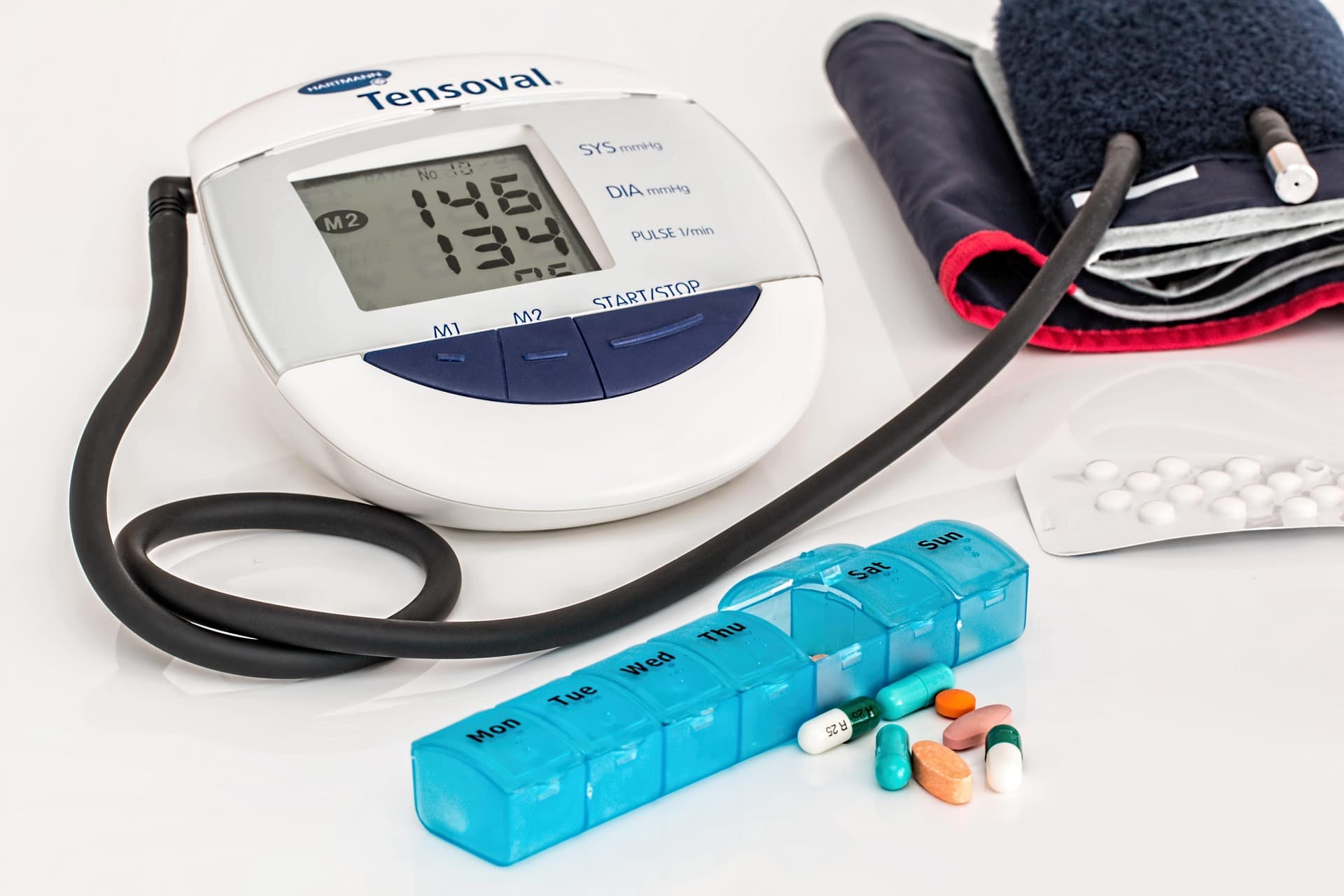
In fact, the CDC states that measuring blood pressure is the only way to know whether you have high blood pressure.
“But I Feel Fine. How Can My BP Be High?”
This is one of the most common misconceptions.
A person can have an elevated reading during a routine health check without having:
- Headache
- Dizziness
- Chest discomfort
- Breathlessness
- Palpitations
- Fatigue
These symptoms can occur for many different reasons and are not reliable indicators of ordinary hypertension.
Similarly, having a headache does not automatically mean your blood pressure is high.
The important distinction is:
Symptoms can sometimes accompany very severe blood pressure elevations, but the absence of symptoms does not rule out hypertension.
What Can Happen If Blood Pressure Stays High?
The concern is usually not how you feel today. It is what persistent high blood pressure can do over time.
Uncontrolled hypertension can increase the risk of:
| Area affected | Possible consequences |
|---|---|
| Heart | Heart disease, heart attack, heart failure |
| Brain | Stroke and other cerebrovascular problems |
| Kidneys | Kidney damage and chronic kidney disease |
| Eyes | Damage to blood vessels supplying the eyes |
| Arteries | Damage and increased cardiovascular risk |
WHO identifies hypertension as an important risk factor for heart, brain, kidney and other diseases.
The tricky part is that these complications can develop without a person first experiencing obvious “high BP symptoms.”
What Blood Pressure Numbers Should You Know?
Blood pressure is written as two numbers:
Systolic / Diastolic
The systolic number is the pressure when the heart beats, while the diastolic number reflects pressure when the heart rests between beats.
Using current American Heart Association categories:
| Blood pressure | Category |
|---|---|
| Below 120/80 mm Hg | Normal |
| 120–129 and below 80 | Elevated |
| 130–139 or 80–89 | Stage 1 hypertension |
| ≥140 or ≥90 | Stage 2 hypertension |
| >180 and/or >120 | Severe hypertension |
A diagnosis should not generally be made from a single casual reading; healthcare professionals consider repeated measurements and the overall clinical situation.
Note: Blood-pressure thresholds and treatment decisions can differ in pregnancy and certain medical conditions.
Why Can One BP Reading Be High?
Blood pressure naturally changes throughout the day.
A reading may be temporarily affected by factors such as:
- Recent exercise
- Stress or anxiety
- Caffeine
- Smoking
- Pain
- Poor measurement technique
- A full bladder
- Talking during the measurement
This is why one unexpected high number should not automatically be interpreted as permanent hypertension.
If you get an unusually high reading, sit quietly and repeat the measurement according to proper technique. Keeping a record of readings over time can provide a much more useful picture.
The “Silent” Part Is Exactly Why Screening Matters
If you wait for symptoms before checking your blood pressure, you may miss hypertension entirely.
Regular measurement is particularly important if you have risk factors such as:
- Family history of hypertension
- Increasing age
- Diabetes
- Kidney disease
- Excess body weight
- Low physical activity
- High dietary sodium intake
- Smoking
- Certain sleep or other health conditions
WHO estimates that around 44% of adults aged 30–79 with hypertension worldwide were unaware they had it in 2024.
That statistic highlights an important point: not knowing you have high blood pressure is common—and feeling well doesn't exclude it.
What If Your BP Is Very High but You Still Feel Fine?
This is where the distinction between routine hypertension and a potentially urgent situation becomes important.
If your blood pressure is higher than 180/120 mm Hg, wait at least one minute and repeat the measurement.
If it remains that high, contact a healthcare professional promptly even if you have no symptoms.
If a reading above 180/120 is accompanied by symptoms such as:
- Chest pain
- Shortness of breath
- Severe weakness or numbness
- Difficulty speaking
- Sudden vision changes
- Back pain
it may represent a hypertensive emergency and requires immediate emergency medical care.
How to Check Your Blood Pressure More Reliably
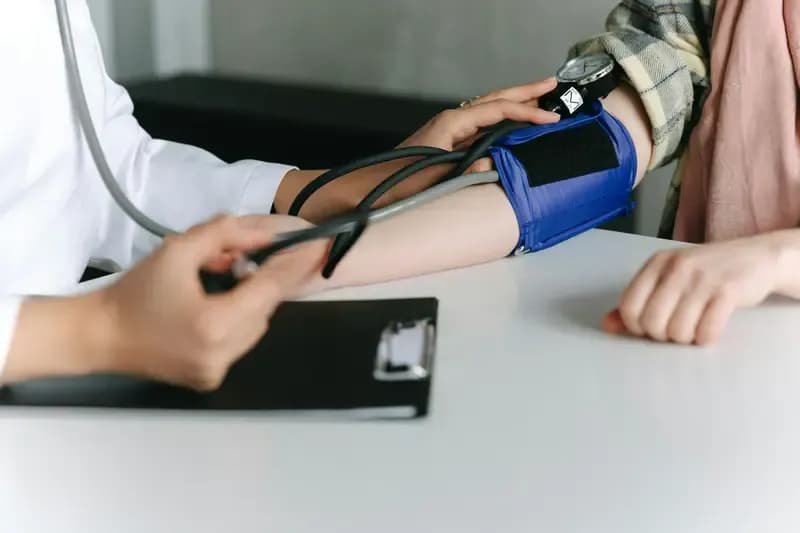
If you're checking at home:
- Sit quietly for a few minutes before measuring.
- Keep your back supported and feet flat on the floor.
- Support your arm at heart level.
- Avoid talking during the measurement.
- Use a properly fitting cuff.
- Record the readings rather than relying on memory.
Repeated readings can help your healthcare professional determine whether your blood pressure is consistently elevated.
The Takeaway
High blood pressure is unusual because the absence of symptoms is not reassuring enough to rule it out.
You don't need to feel dizzy, have headaches or experience chest discomfort to have hypertension. The condition is often discovered during a routine check-up, pharmacy measurement or home monitoring.
So instead of asking, “Would I know if my blood pressure were high?”, a better question is:
“When was the last time I actually checked it?”
Knowing your numbers gives you an opportunity to identify high blood pressure early and discuss what needs to be done before it causes complications.










Comments (0)