Curated by ZOCVI Medical Team

Hypertension

Overview

Hypertension covers persistently elevated blood pressure — a condition that affects roughly 30% of Indian adults, causes no symptoms until it damages heart, brain, kidneys, or eyes, and is the single largest driver of premature stroke and heart failure in India. Most Indians with hypertension either don't know they have it, know but don't treat consistently, or treat inadequately. Our cardiologists, nephrologists and editorial team explain what your BP numbers actually mean, why home monitoring beats occasional clinic readings, how to interpret white-coat and masked hypertension, which lifestyle changes (salt reduction, weight loss, DASH-style eating, physical activity) genuinely lower BP, and how to work through the common BP medication classes — when a single tablet is enough, when combination therapy is needed, and why stopping BP medication when you feel fine is the exact opposite of what to do.

Last reviewed: 10 August 2026

Expert Guides

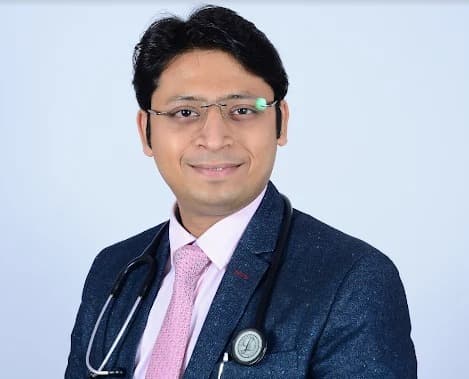
Dr. Prashant Jain

Ayurvedic Doctor • 12 yrs • Delhi

53 views

6 Ways to Prevent Hypertension

Nirmal Ayurved

6 effective methods for preventing hypertension: control your stress, maintain a healthy weight, consume a well-balanced diet, reduce salt intake, engage in regular exercise, and keep track of your blood pressure. By incorporating these habits into your daily routine, you can significantly lower your risk of hypertension and promote overall well-being.#hypertension #diabetes #health #healthylifestyle #bloodpressure #highbloodpressure

Frequently Asked Questions

Expert answers from our medical team

What BP reading is 'high' and how is hypertension diagnosed?

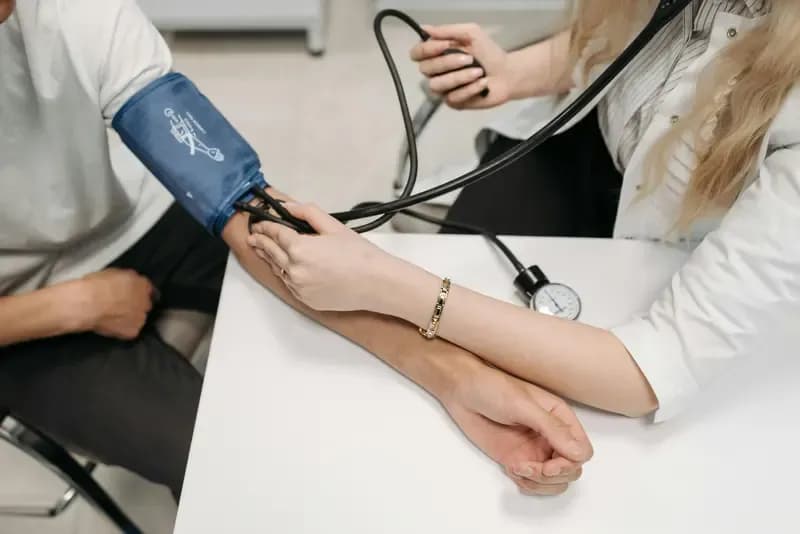
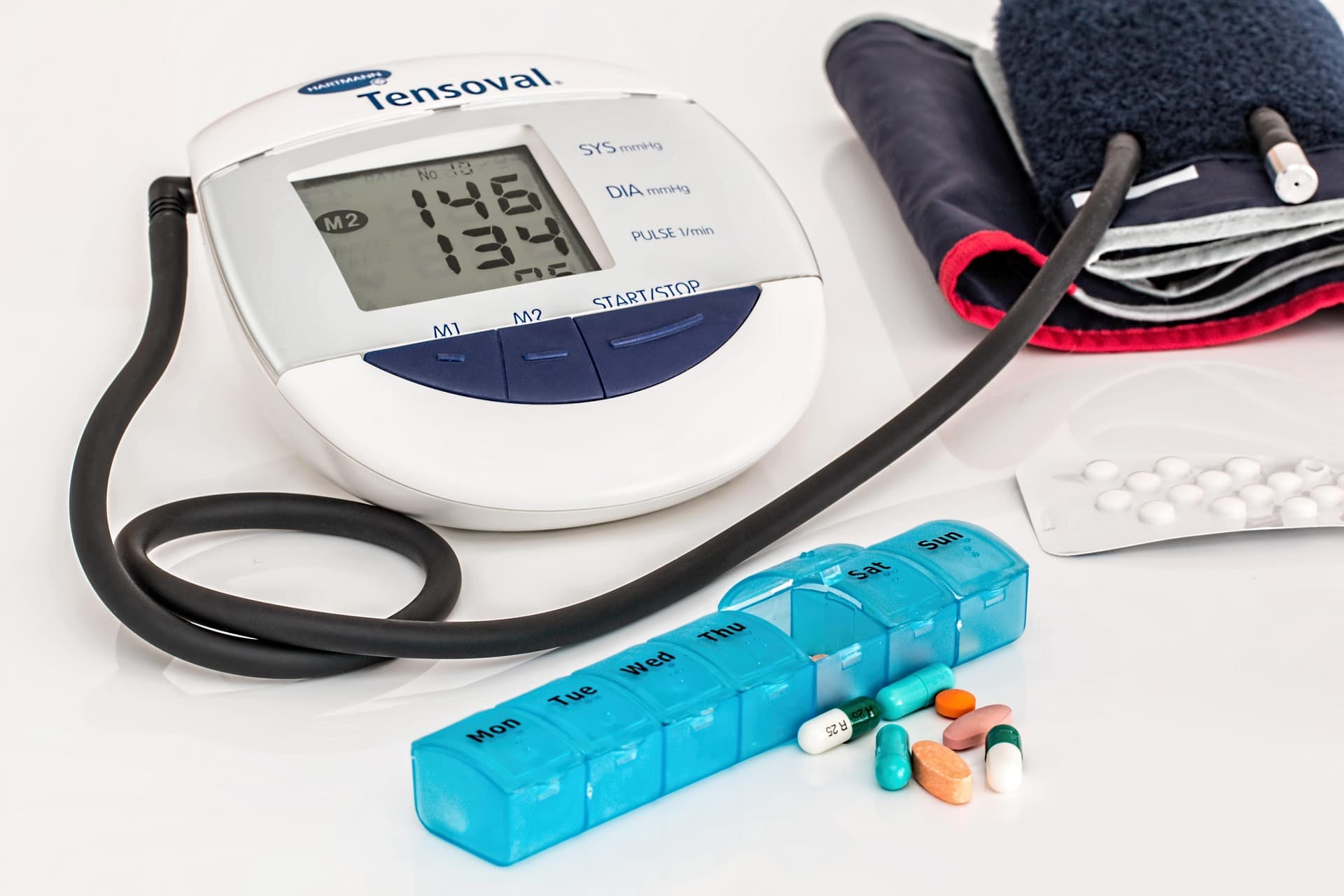
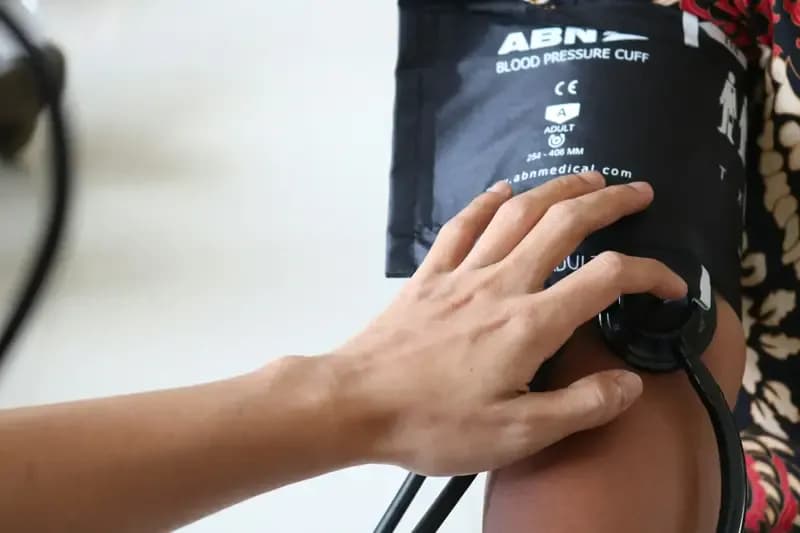
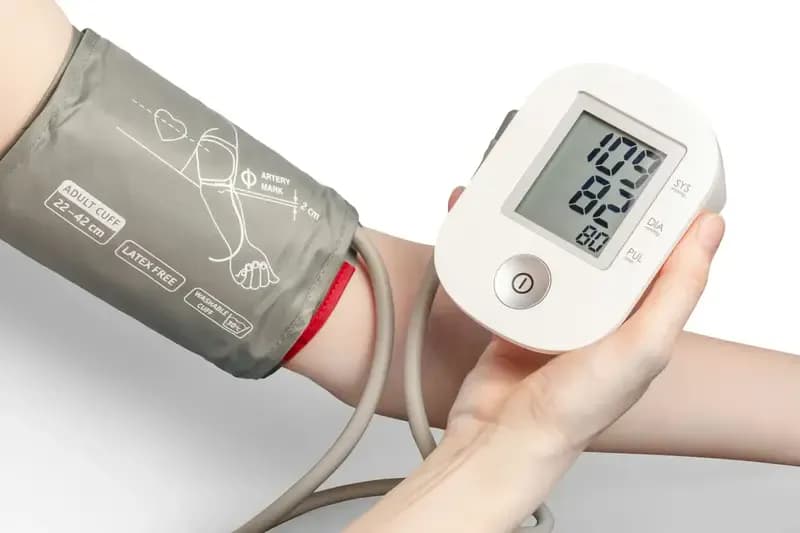
For most adults, BP under 120/80 is optimal, 120-129/under-80 is elevated, and 130/80 or higher on repeated readings is hypertension. Older guidelines used 140/90 as the cutoff, but current evidence supports the tighter 130/80 target for most people. If BP is high at the clinic, ask your doctor about home BP monitoring for a week — clinic-only readings often overestimate (white-coat effect). Diagnosis requires repeated elevated readings on at least two separate visits, not one high measurement.

What are the symptoms of high BP?

Hypertension is called the 'silent killer' because it usually causes no symptoms until it damages an organ. Occasional headaches, dizziness, or nose bleeds are more often something else. This is why routine BP checks matter — every adult over 20 should know their BP, adults over 30 should check every year. If you have family history, diabetes, obesity, or kidney disease, check more often. Waiting for symptoms means diagnosing the disease after it has already caused stroke, heart failure, or kidney damage.

When do I need BP medication versus lifestyle change alone?

For BP 130-139/80-89 without diabetes, kidney disease, or cardiovascular disease, most guidelines recommend lifestyle changes first (weight loss, salt reduction, DASH-style diet, exercise, moderate alcohol). If BP stays elevated after 3-6 months, or is 140/90 or higher, or if you already have diabetes, kidney disease, or heart disease, medications should start alongside lifestyle. Modern BP medications are safe, effective, and generally free of major side effects when the right class is chosen. Untreated hypertension causes far more harm than any medication.

What are the common BP medications and how do they work?

Five main classes work: ACE inhibitors (enalapril, ramipril), ARBs (telmisartan, losartan), calcium channel blockers (amlodipine), diuretics (chlorthalidone, indapamide), and beta-blockers (metoprolol, bisoprolol — used more for specific indications like heart disease). Most Indians end up on 2-3 medications combined at lower doses rather than one at high dose — this controls BP better with fewer side effects. Don't stop BP medicine when your reading normalizes; the medicine is what's keeping it normal.

What lifestyle changes actually lower blood pressure?

Reducing salt (Indian diet averages 10-12 g/day; target under 5 g), losing 5-10% of body weight if overweight, walking 30 minutes most days, DASH-style eating (more vegetables, fruits, whole grains, low-fat dairy, less red meat and sweets), limiting alcohol, and managing stress. Each of these can lower systolic BP by 4-10 mmHg; combined they often reduce or eliminate the need for medication. But most people also need medication — lifestyle plus medication together beats either alone for the majority.

Community Questions

Questions from our community members

Have a question about this topic?

Ask our medical community. Your question may help others with similar concerns.

No questions yet. Be the first to ask!

Find a Doctor for Hypertension

Verified specialists across India

Dr. Abhijit Joshi

Cardiologist

25 yrs

Pune

Clinic
Pune, Maharashtra, 411045
₹1000 consultation
EmailWhatsApp

Dr. T A Madheswaran

Cardiologist

Coimbatore

Sri Ramakrishna Hospital
Balasundaram Layout, Coimbatore, Tamil Nadu, 641044
Fee on request

Dr. V C Chauhan

Cardiologist

33 yrs

Vadodara

Atmajyoti Clinic
Ellora Park, Vadodara, Gujarat, 390021
₹1200 consultation

Dr. Rohit Bhagat

Cardiologist

13 yrs

Ghaziabad

Mediwin Hospital
Sector 11, Ghaziabad, Uttar Pradesh, 201002
₹800 consultation