
Introduction
Loose motion, or diarrhea, affects millions of people globally every year. According to the WHO, diarrhea is the second leading cause of death in children under five. While most cases are not life-threatening in adults, they can cause significant discomfort, dehydration, and disruption. Whether caused by contaminated food, viral infections, medications, or stress, it's essential to manage symptoms quickly. This comprehensive guide discusses evidence-based home remedies for loose motion that are natural, accessible, and effective.
Quick Relief: Home Remedies for Loose Motion
Home remedies work best for mild to moderate cases of loose motion. Here are practical, safe, and effective strategies to soothe your digestive system:
Loose motion can cause rapid fluid loss, leading to dehydration. The key is rehydration using water, clear broths, coconut water, or oral rehydration salts (ORS). A homemade solution of one teaspoon of salt and six teaspoons of sugar in one liter of water is also effective. Hydration not only restores electrolyte balance but supports digestion.
Hydration: The First Line of Defense
The BRAT diet (Bananas; Rice, ideally well-cooked white rice or khichdi; Applesauce or plain stewed apple; and plain Toast without butter) is a time-tested remedy for digestive distress. These bland, low-fibre foods ease digestion and firm up loose stools. Bananas are particularly useful because pectin binds stool and potassium replaces what has been lost through diarrhoea.
BRAT Diet: Bananas, Rice, Applesauce, Toast
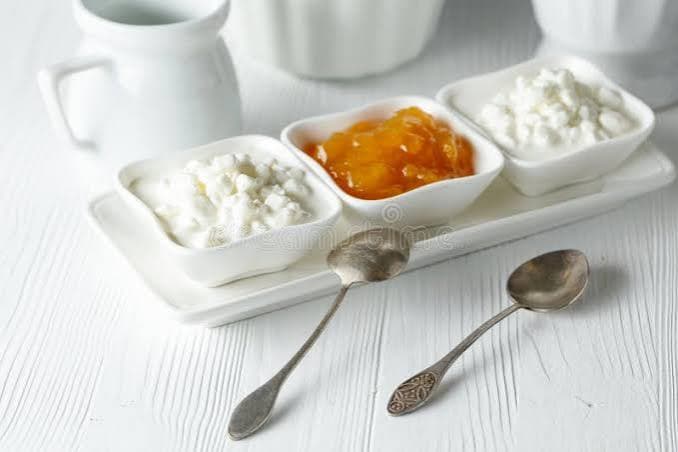
Probiotics like yogurt and curd contain live bacteria that help restore gut flora disturbed during diarrhea. A 2020 study in the *Journal of Clinical Gastroenterology* found that Lactobacillus-based probiotics significantly reduced diarrhea duration.
Probiotics: Restoring Gut Health
Herbal Remedies for Soothing Loose Motion
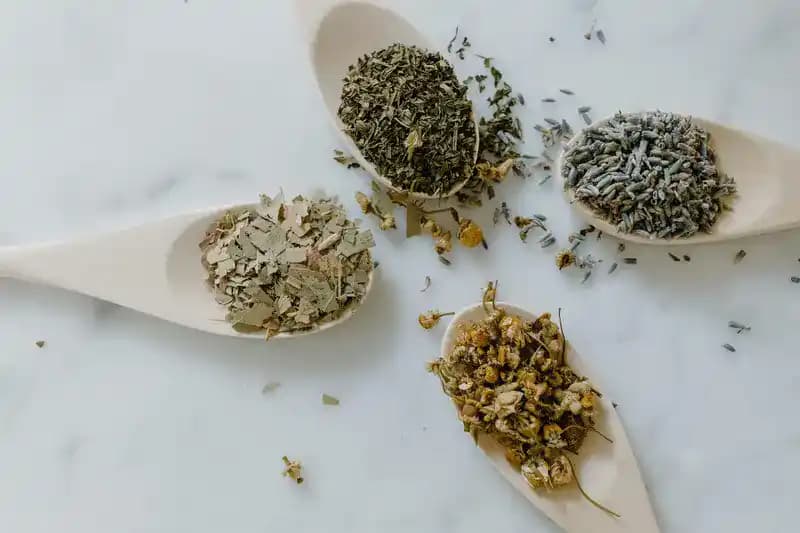
Natural herbs can aid digestion, reduce cramps, and soothe the gut. Here are two of the most effective ones:
Ginger's anti-inflammatory and anti-bacterial compounds can relax intestinal muscles and reduce spasms. To prepare, boil 1 tsp grated ginger in 1 cup of water for 10 minutes. Sip warm.
Ginger Tea: A Natural Anti-Inflammatory
Menthol in peppermint acts as a natural antispasmodic, easing bloating and abdominal discomfort. Drinking 2–3 cups a day can provide substantial relief.
Peppermint Tea: For Digestive Comfort
How to Stop Loose Motion Instantly
Although there's no overnight cure, certain methods can dramatically reduce symptom severity in a short time:
Used under medical supervision, it can absorb toxins in the digestive tract.
Activated Charcoal (Use With Caution)
A tablespoon of isabgol mixed with yogurt can bulk up stool.
Psyllium Husk (Isabgol)
Spicy, oily foods, dairy (if lactose-intolerant), caffeine, alcohol, and high-fibre foods (raw vegetables, whole grains, nuts) can worsen loose motion. Stick to light, home-cooked meals such as khichdi, curd rice, boiled potato, or plain roti for at least 24-48 hours after symptoms improve.
Avoid Triggers
Case Study: A Real-Life Turnaround
Mr. Mehta, a 42-year-old marketing executive, developed loose motion during a work trip due to contaminated street food. Instead of panicking, he followed a home care plan: consumed the BRAT diet, drank ORS every 2 hours, and took probiotic yogurt. Within 36 hours, his condition improved without needing antibiotics. His recovery highlights the efficacy of at-home remedies for mild cases.
When to Seek Medical Attention
Home remedies may not always be enough. Consult a doctor if any of the following occur:
Loose motion lasting more than 48 hours.
Persistent Symptoms
May indicate bacterial infection or intestinal inflammation.
Blood or Mucus in Stool
Dry mouth, low urine output, sunken eyes, or dizziness.
Signs of Dehydration
Temperature above 101°F or prolonged chills.
High Fever
Conclusion
Most loose motion in healthy adults resolves in 24-48 hours with ORS, BRAT diet, and rest. What matters more than any single remedy is early aggressive hydration, the dangerous part of diarrhoea is fluid and electrolyte loss, not the diarrhoea itself. Do not skip ORS in favour of just water alone; plain water without electrolytes can worsen the salt imbalance. See a doctor rather than continuing home remedies if diarrhoea lasts more than 48 hours in adults or 24 hours in children, if there is blood or mucus in the stool, if you have fever over 101°F, or if signs of dehydration develop (dry mouth, dizziness, reduced urine output). In Indian monsoon and summer months when contaminated food and water are common, a same-day GP consult is a low-friction step rather than waiting.
About Zocvi
Zocvi connects patients with verified doctors and evidence-based health guidance. Visit zocvi.com or reach us on WhatsApp at +91-92724-57637.










Comments (0)