

Introduction
Loose motion, also known as diarrhea, can be caused by various factors such as infections, food intolerances, and stress. While it is a common condition that usually resolves on its own, it can be uncomfortable and inconvenient. This article explores various home remedies for loose motion, focusing on natural and effective solutions that can help improve your overall well-being.
Causes of Loose Motion
Understanding the causes of loose motion can help in selecting the most appropriate remedies. Common causes include:
Bacterial, viral, or parasitic infections can cause loose motion. Common pathogens include E. coli, norovirus, and Giardia.
Infections
Intolerance to certain foods, such as lactose or gluten, can lead to diarrhea.
Food Intolerances
Certain medications, including antibiotics and laxatives, can cause loose motion as a side effect.
Medications
Emotional stress and anxiety can affect digestion and lead to loose motion.
Stress
Sudden changes in diet or consumption of fatty, spicy, or oily foods can trigger diarrhea.
Dietary Changes
Conditions such as irritable bowel syndrome (IBS), inflammatory bowel disease (IBD), and celiac disease can cause recurrent loose motion.
Chronic Conditions
Home Remedies for Loose Motion Relief
Several home remedies can help alleviate loose motion effectively. Here are some natural solutions:
Drink plenty of fluids, such as water, oral rehydration solutions (ORS), and clear broths, to prevent dehydration and replace lost electrolytes.
Hydration
Bananas are rich in potassium and pectin, which can help firm up stools and replenish electrolytes.
Bananas
Yogurt contains probiotics, which help restore the natural balance of gut bacteria and improve digestion.
Yogurt
Ginger has anti-inflammatory and antimicrobial properties that can help soothe the digestive system. Drink ginger tea or chew on a small piece of ginger.
Ginger
Apple cider vinegar has antibacterial properties that can help combat infections. Mix one tablespoon of apple cider vinegar with a glass of water and drink it.
Apple Cider Vinegar
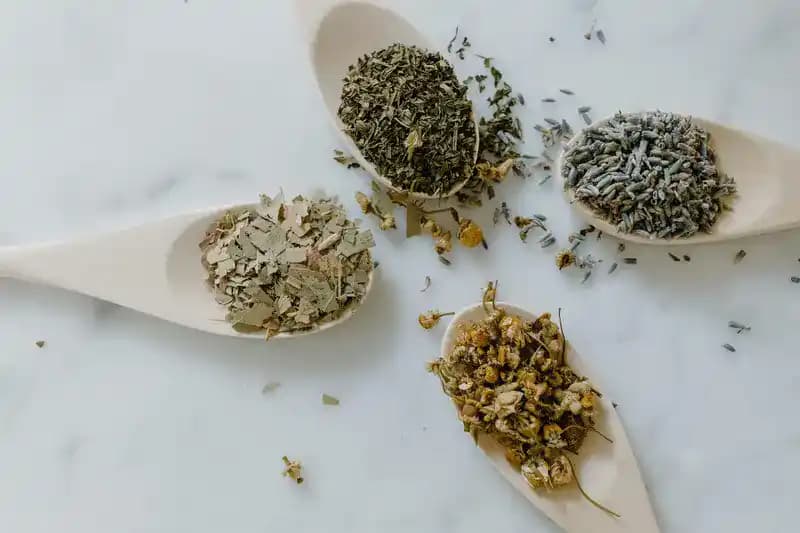
Chamomile tea has antispasmodic properties that can help reduce intestinal cramping and soothe the digestive tract.
Chamomile Tea
The BRAT diet (bananas, rice, applesauce, toast) is bland and easy to digest, helping to firm up stools and provide gentle nutrition.
BRAT Diet
Cumin has antimicrobial properties and can help improve digestion. Boil cumin seeds in water, strain, and drink the water.
Cumin Water
Herbal Remedies for Loose Motion
Certain herbs are known for their ability to relieve diarrhea. Incorporating these herbs into your routine can help manage loose motion naturally:
Peppermint has antispasmodic properties that can help relax the digestive tract and reduce diarrhea. Drink peppermint tea or use peppermint oil capsules.
Peppermint
Fennel seeds can help reduce bloating and improve digestion. Chew on fennel seeds or drink fennel tea.
Fennel Seeds
Fenugreek seeds contain soluble fiber that can help bulk up stools. Soak fenugreek seeds in water and drink the water.
Fenugreek Seeds
Carob powder has binding properties that can help firm up stools. Mix carob powder with water or yogurt and consume it.
Carob Powder
Turmeric has anti-inflammatory and antimicrobial properties that can help reduce diarrhea. Add turmeric to your meals or drink turmeric milk.
Turmeric
Blueberries have tannins that can help reduce inflammation in the digestive tract. Drink blueberry tea to alleviate diarrhea.
Blueberry Tea
Dietary Tips for Managing Loose Motion
In addition to home remedies, certain dietary changes can help manage and prevent loose motion:
Dairy products can be difficult to digest and may worsen diarrhea. Avoid milk, cheese, and other dairy products until symptoms improve.
Avoid Dairy Products
Instead of large meals, eat small, frequent meals to avoid overloading the digestive system.
Eat Small, Frequent Meals
Low-fiber foods like white rice, white bread, and applesauce can help firm up stools.
Choose Low-Fiber Foods
Spicy and oily foods can irritate the digestive tract and worsen diarrhea. Stick to bland, easy-to-digest foods.
Avoid Spicy and Oily Foods
Drink plenty of water, herbal teas, and clear broths to stay hydrated and replace lost fluids.
Stay Hydrated
When to Seek Medical Help
While home remedies can be effective for managing loose motion, it is important to seek medical help if:
If you experience symptoms of severe dehydration, such as dry mouth, excessive thirst, or dark urine, seek medical attention immediately.
Severe Dehydration
If diarrhea persists for more than two days or is accompanied by high fever, consult a healthcare professional.
Persistent Diarrhea
If you notice blood in your stools, seek medical help as it could indicate a more serious condition.
Blood in Stools
If you experience severe abdominal pain or cramping, consult a doctor to rule out any underlying issues.
Severe Abdominal Pain
Conclusion
Traditional Indian home remedies for loose motion, jeera water, ginger, curd, methi seeds, chamomile tea, saunf, banana, have varying evidence but most are safe and can provide symptomatic relief for mild cases. What matters more than any single remedy is aggressive hydration (ORS not just water) and knowing when home care is not enough. If diarrhoea lasts more than 48 hours in adults or 24 hours in children, if there is fever, blood in stool, or dehydration signs, stop trying home remedies and see a doctor, amoebiasis and giardiasis are common in India and need prescription treatment, not herbal water.
About Zocvi
Zocvi connects patients with verified doctors and evidence-based health guidance. Visit zocvi.com or reach us on WhatsApp at +91-92724-57637.












Comments (0)