

Overview
Is Frequent Acidity Just “Gas”?
Many people experience a burning sensation behind the chest, a sour taste, or the feeling of food coming back up after meals. While often dismissed as “gas” or indigestion, recurring acidity that disturbs sleep or requires frequent medication can indicate an underlying problem, such as gastroesophageal reflux disease (GERD) or other digestive conditions.
Gastroesophageal reflux occurs when stomach contents move back into the esophagus. Occasional reflux is common, but when it becomes frequent, troublesome, or leads to complications, it may be classified as GERD. Suppressing symptoms without understanding their cause can delay necessary treatment.
What Causes Acidity?
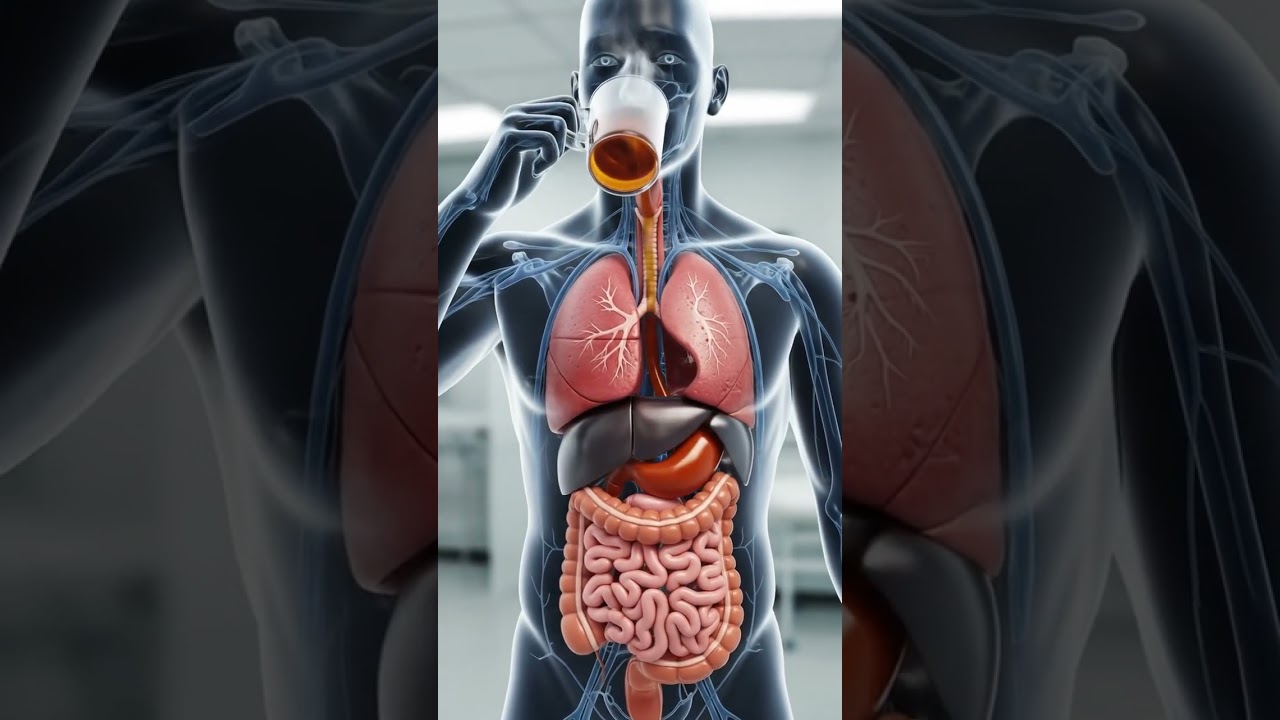
Your stomach produces acid to aid digestion. Normally, the lower esophageal sphincter (LES) acts as a barrier, preventing stomach contents from entering the esophagus. When the LES relaxes inappropriately or malfunctions, stomach contents can flow upward. The esophagus is not equipped to handle repeated exposure to stomach acid, leading to the burning sensation known as heartburn.
Reflux can also cause regurgitation, where food or acidic fluid returns to the throat or mouth. It’s a common misconception that acidity always means the stomach is producing “too much acid.” Often, the issue lies with where stomach contents are going and how frequently reflux occurs, rather than the sheer volume of acid.
Common Triggers for Frequent Acidity
While there isn't a universal “acidity diet,” several dietary and lifestyle factors are commonly linked to reflux symptoms:
- Large or Heavy Meals: Eating large meals can increase stomach distension, making reflux more likely. Pay attention to portion sizes and timing, especially large dinners close to bedtime.
- Eating Close to Bedtime: Consuming meals at least three hours before lying down can help reduce nighttime reflux symptoms, as gravity is less effective at keeping stomach contents down when you are horizontal.
- Fatty and Fried Foods: High-fat meals, deep-fried items, and heavy creamy dishes are frequently reported triggers. Identifying personal patterns is more effective than broad elimination.
- Spicy Foods: While they can worsen symptoms for some, spicy foods are not universally problematic. Reducing specific triggers may be helpful if a consistent link is observed.
- Coffee and Caffeine: Caffeinated beverages can exacerbate reflux in some individuals. Monitor your symptoms to see if reducing intake makes a difference.
- Chocolate and Peppermint: These items are often associated with reflux. Reducing them may help if they are identified as personal triggers.
- Alcohol: Alcohol consumption can aggravate reflux symptoms for some people.
- Smoking: Smoking is linked to reflux and can impair the mechanisms that prevent stomach contents from moving upward. Quitting smoking offers numerous health benefits.
Why Acidity Worsens at Night
Lying down reduces the effect of gravity in keeping stomach contents down, and if you've eaten recently, your stomach may still be full. This can lead to nighttime symptoms like chest burning, sour taste, regurgitation, cough, hoarseness, and throat irritation. GERD can sometimes manifest with respiratory or throat symptoms rather than classic heartburn.
Measures that can help include avoiding meals for at least three hours before lying down, identifying personal food triggers, elevating the upper body during sleep, and addressing excess weight or smoking.
Factors Increasing Reflux Likelihood
Beyond diet, several factors can increase the likelihood of GERD:
- Pregnancy
- Overweight or obesity
- Hiatal hernia
- Smoking
- Certain medications: Some medicines, including certain calcium channel blockers, asthma medications, and NSAIDs, may contribute to or worsen reflux. Never stop prescribed medication without consulting your doctor.
When Frequent Acidity Isn't GERD
Heartburn-like symptoms can stem from various conditions, including functional dyspepsia, peptic ulcer disease, gastritis, medication-related irritation, gallbladder problems, or other gastrointestinal issues. Importantly, chest discomfort is not always digestive; heart-related conditions can mimic indigestion.
Occasional Acidity vs. Frequent Reflux/GERD:
- Occasional Acidity: Happens occasionally, often linked to a specific meal, usually settles, may respond to occasional treatment, and typically lacks concerning associated symptoms.
- Frequent Reflux/Possible GERD: Keeps returning, may occur without an obvious trigger, can persist or interfere with daily life, may require medical evaluation and structured treatment, and might include swallowing problems, persistent vomiting, or weight loss.
Doctors consider the overall symptom pattern, treatment response, and potential complications or alternative diagnoses to diagnose GERD.
When to Seek Medical Attention for Acidity
Consult a doctor if:
- Heartburn occurs frequently (more than twice a week).
- Symptoms persist despite over-the-counter treatment.
- Acidity interferes with sleep or daily activities.
- You repeatedly experience regurgitation.
- You have persistent nausea or vomiting.
- You develop difficulty or pain while swallowing.
- You experience unexplained weight loss.
- Your appetite decreases significantly.
- Symptoms return without an obvious explanation.
Mayo Clinic recommends medical evaluation if heartburn occurs more than twice a week, persists despite nonprescription treatment, or is accompanied by swallowing difficulty, persistent nausea/vomiting, or unexplained weight loss.
Red Flags Not to Ignore
Certain symptoms require immediate medical assessment and should not be dismissed as simple acidity:
- Difficulty Swallowing: If food feels stuck, swallowing is painful, or you progressively have trouble swallowing.
- Persistent Vomiting: Can lead to dehydration and may signal a condition needing treatment.
- Unexplained Weight Loss: Losing weight without trying, especially with digestive symptoms.
- Gastrointestinal Bleeding: Signs include vomiting blood, vomit resembling coffee grounds, or black, tarry stools. These require prompt medical attention.
- Persistent or Severe Chest Pain: Chest pain can be a symptom of a heart attack. Seek emergency medical help if chest pain is severe, persistent, or associated with shortness of breath, sweating, dizziness, or pain spreading to the arm or jaw.
Reducing Frequent Acidity
Treatment depends on the cause and severity. Practical measures include:
- Eat Smaller Portions: Smaller, balanced meals may be better tolerated than large ones.
- Time Before Lying Down: Avoid eating for at least three hours before bed if nighttime reflux is an issue.
- Identify Personal Triggers: Keep a diary of food, timing, symptoms, and severity to identify patterns.
- Maintain a Healthy Weight: Weight reduction can improve GERD symptoms if you are overweight or obese.
- Stop Smoking: Quitting smoking benefits overall digestive and cardiovascular health.
- Address Nighttime Symptoms: Elevating the upper body during sleep may help some individuals.
Medications for Acidity
Antacids offer short-term relief for mild heartburn. H2 blockers and proton pump inhibitors (PPIs) reduce stomach acid and may be recommended. PPIs are generally more effective for healing esophageal damage than H2 blockers, but medication choice and duration should be individualized.
If you regularly need over-the-counter medication, consult a healthcare professional. Frequent symptoms may require a proper diagnosis rather than simply increasing medication dosage or frequency.
How Doctors Diagnose the Cause
GERD is often diagnosed based on symptoms and medical history. Investigations like upper GI endoscopy or esophageal pH monitoring may be recommended if symptoms suggest a complication, another condition could be the cause, symptoms don't improve with treatment, or alarm symptoms are present.
Can Frequent Acidity Damage the Esophagus?
Yes, repeated GERD can lead to esophagitis (inflammation of the esophageal lining). Over time, complications can include esophageal narrowing and Barrett's esophagus, a condition that slightly increases the risk of esophageal adenocarcinoma in a small proportion of people. Persistent reflux should not be dismissed as a harmless inconvenience.
Rethinking “Acidity”
The most significant mistake is treating every heartburn episode the same. Instead, consider:
- How often does it happen?
- What triggers it?
- Does it occur at night?
- Does food come back into the throat?
- Do you need medication repeatedly?
- Is swallowing becoming difficult?
- Are there symptoms that don't fit ordinary reflux?
The Bottom Line
Occasional heartburn is common, but frequent acidity is different. If reflux consistently returns, disrupts sleep, requires repeated medication, or affects your quality of life, it's time to investigate GERD or another underlying condition. Lifestyle changes can help but shouldn't replace medical evaluation for persistent symptoms.
Remember, chest pain, difficulty swallowing, persistent vomiting, unexplained weight loss, or signs of gastrointestinal bleeding are not symptoms to casually label as acidity. Consult a healthcare professional to understand the cause and determine the right treatment.









Comments (0)