Palliative Care: Understanding the Role in Enhancing Quality of Life
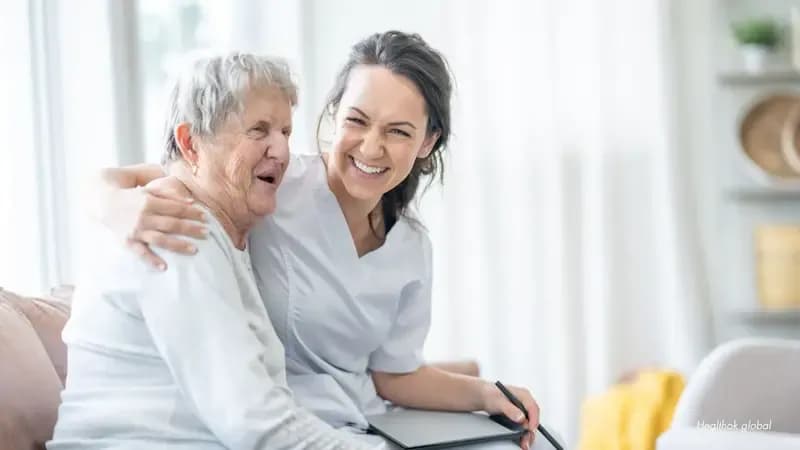
Learn about palliative care, its importance, benefits, and how it supports patients and families. Explore how it ensures comfort, dignity, and better quality of life.

Palliative & Supportive Care covers symptom management, pain control, nutritional support, and the integration of palliative care alongside active cancer treatment from diagnosis onward — not only at end of life. Our doctors and editorial team explain how palliative medicine improves quality of life and outcomes, and how to access it in India.
Last reviewed: 10 August 2026
Learn about palliative care, its importance, benefits, and how it supports patients and families. Explore how it ensures comfort, dignity, and better quality of life.
Four main types of elderly care exist in India, in-home care, assisted living, nursing homes, and hospice/palliative care. Each fits different needs and stages. Here is a practical comparison to help families choose based on the elder's actual medical and functional condition.
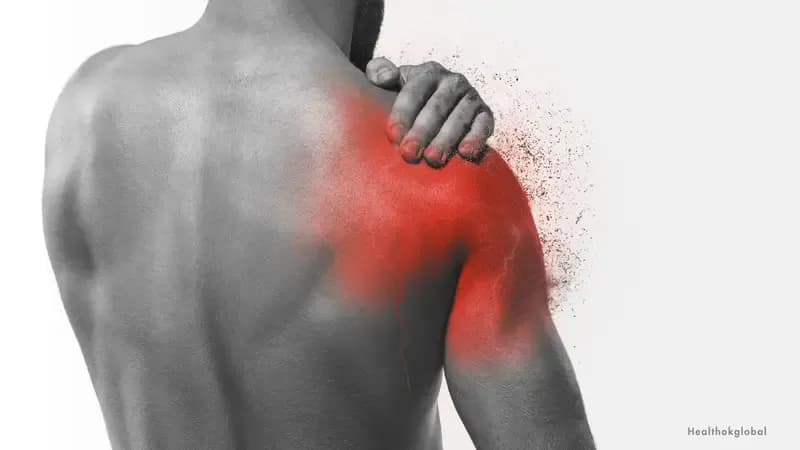
Pain is a complex and subjective experience that can significantly affect a person's quality of life.
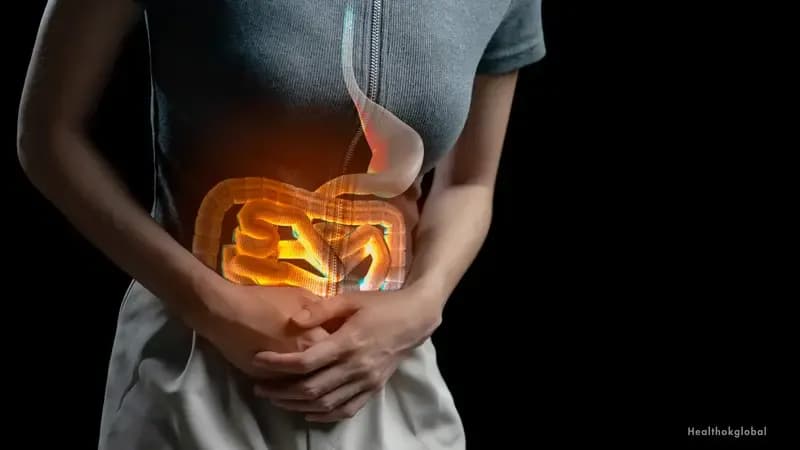
Abdominal pain is a common complaint among patients and can be caused by a variety of conditions. This guide provides a detailed nursing care plan for effective assessment, diagnosis, and management.
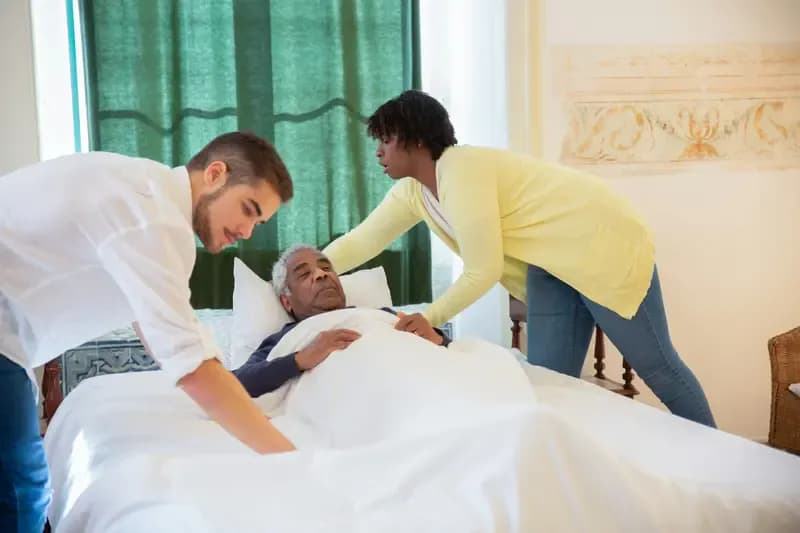
Home nursing services in India range from trained attendants for basic bathing and feeding to qualified nurses managing post-operative care, wound care, IV medications, and complex chronic conditions. Here is how to match the right level of care to your parent's needs.
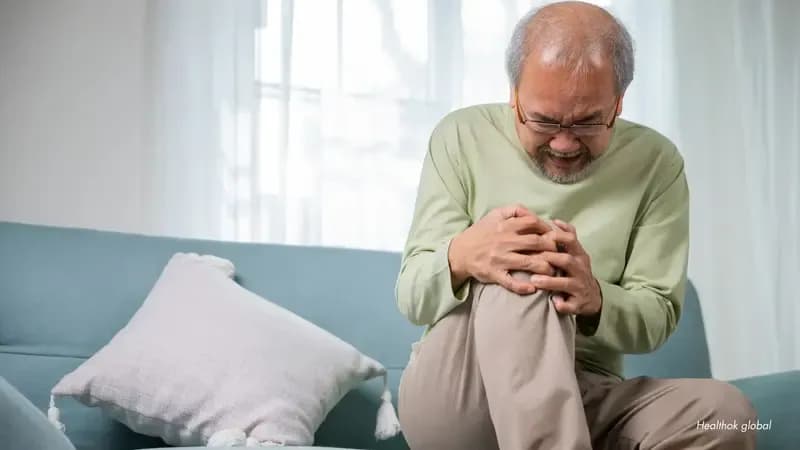
Explore pain management for seniors with effective strategies, including medications, therapies, and specialized care. Learn how to address chronic pain and improve quality of life.
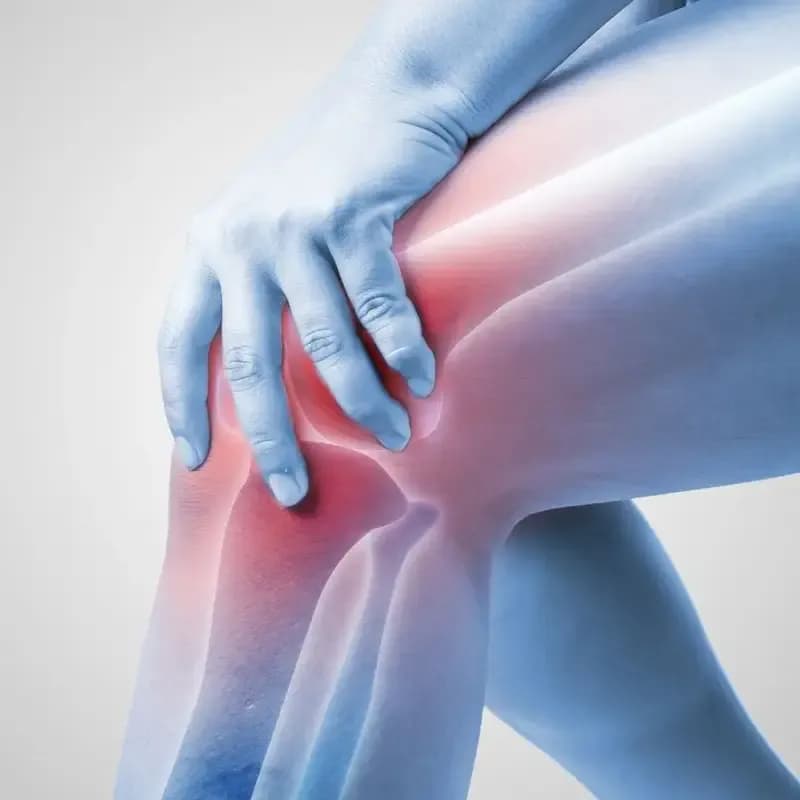
Home remedies for knee pain work well for mild-to-moderate osteoarthritis and overuse pain, hot/cold therapy, Epsom salt soaks, gentle exercise, turmeric and ginger, weight management. Here is what has real evidence and when home care is not enough.
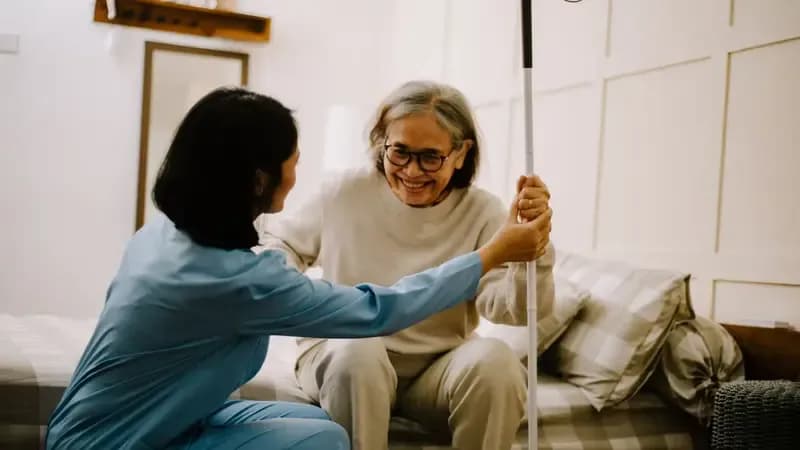
Elderly care spans five domains, physical health, mental wellbeing, safety and mobility, social engagement, and end-of-life care. This guide covers each with practical action for Indian families caring for aging parents.

Pre and post operative care is crucial for ensuring successful surgical outcomes and promoting quick recovery.

Back pain can be debilitating, affecting your daily life and productivity. Whether it's due to poor posture, muscle strain, or injury, finding relief quickly is crucial.
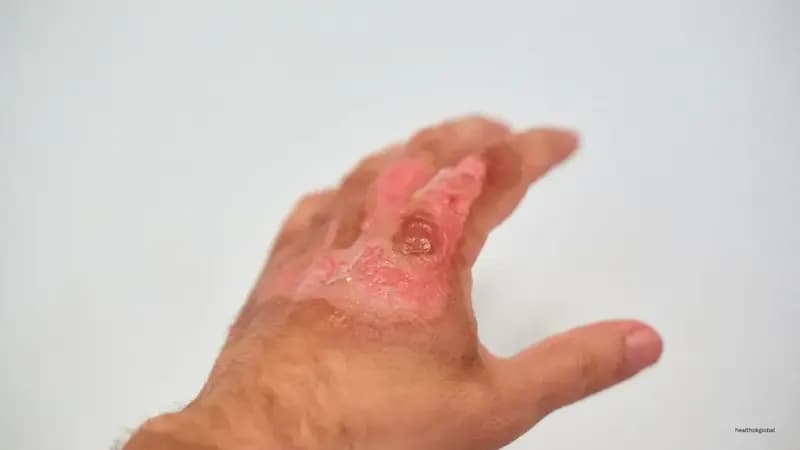
Developing an effective nursing care plan for patients with burns involves thorough assessment, diagnosis, and intervention. This guide provides essential information on creating and implementing nursing diagnoses for burns.
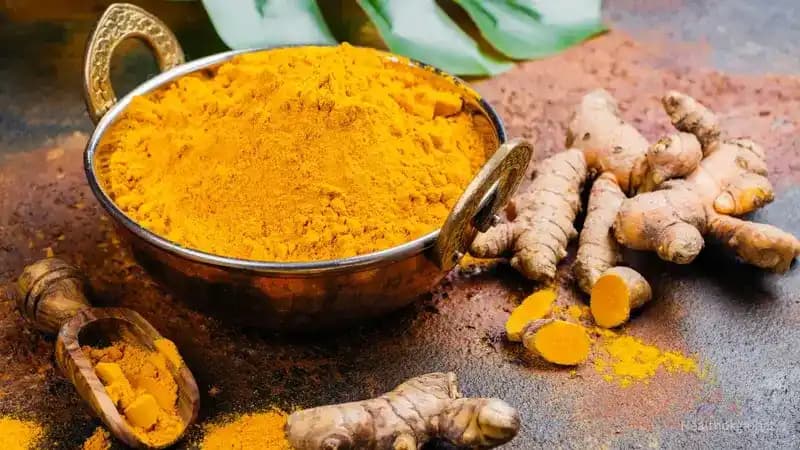
Back pain is a common issue that can arise from various causes such as muscle strain, injury, or chronic conditions.
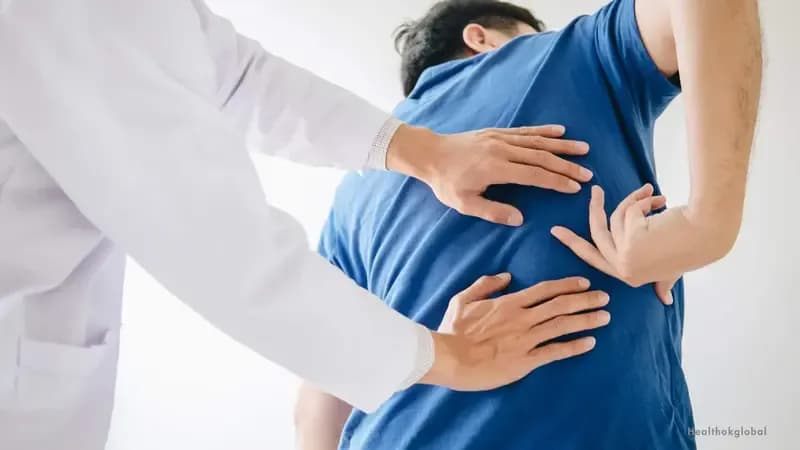
Body pain is a common issue that can arise from various causes such as muscle strain, injury, or chronic conditions.

Explore targeted exercises designed to alleviate low back pain in seniors, improve flexibility, and strengthen core muscles. Learn safe and effective techniques to enhance mobility and reduce discomfort.
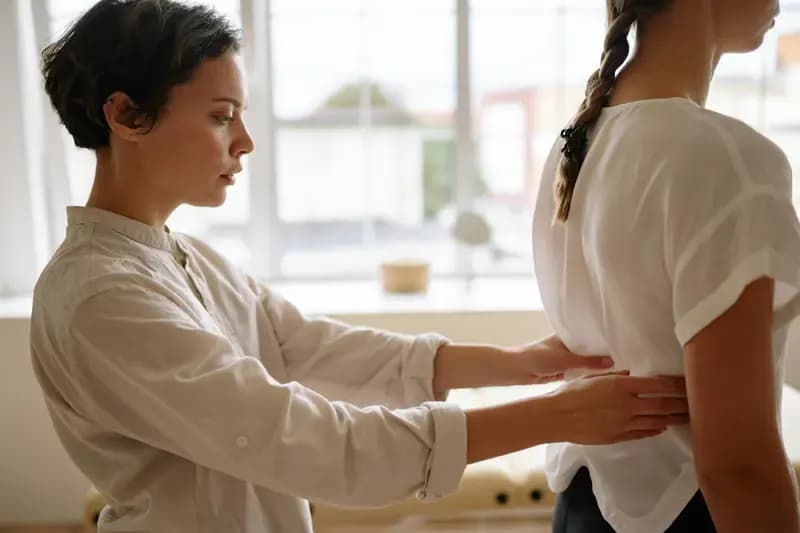
Back pain can significantly impact your daily life, affecting your ability to work, exercise, and even sleep comfortably.

Explore the various causes of suffering and pain. This guide provides essential information on physical, emotional, and mental factors that contribute to suffering and pain.

Dr. Rahul Chaudhari | Best Spine Surgeon | Pune on Instagram: "Although a hot bag may provide temporary relief for back pain, it is not the long-term solution for chronic back pain. While a hot bag may provide temporary relief for back pain by loosening tight muscles and increasing blood flow, it is not addressing the root cause of the problem. Chronic back pain can be caused by a variety of issues, including disc damage, nerve impingement, poor posture, and spinal misalignment. While a hot bag may provide temporary relief for back pain, it is not a long-term solution and can actually exacerbate the problem by delaying proper treatment.If you are experiencing chronic back pain, it is important to seek the best orthopedic doctor in Balewadi. In addition, many patients seek the help of a trusted back pain doctor in Baner. Treatment from a lower back pain doctor in Balewadi, advice from a spine specialist in Balewadi, treatment at a best spine care clinic near Balewadi, or treatment from a back pain specialist in Pune can provide long-term relief.Get expert advice from Dr. Rahul Chaudhari, trusted Orthopedic and Best Spine Surgeon at Manipal Hospital. Right guidance can make all the difference!📞 Clinic: 8010130003🌐 Visit: drrahulchaudhari.com #chronicbackpain #spinecare #backpainrelief #orthopedicdoctor #balewadihealth #banerdoctor #spinespecialist #posturecare #longtermpain

Dr Vinayak Ghanate | Back pain is NOT Normal..#Orthoclinic #drvinayakghanate | Instagram
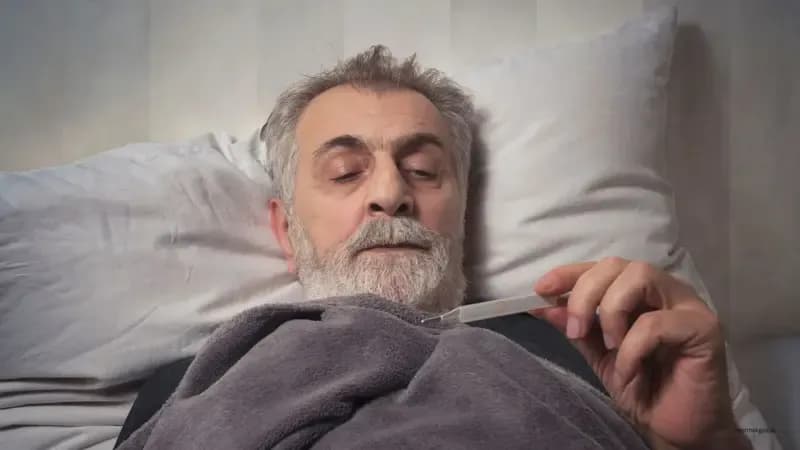
A complete NCP for patients presenting with fever and vomiting. NANDA nursing diagnoses (Hyperthermia, Fluid Volume Deficit, Nausea), assessment framework, and evidence-based interventions with expected outcomes.
Expert answers from our medical team
Palliative care is specialised care focused on quality of life — managing pain, breathlessness, fatigue, nausea, anxiety, and other symptoms — for anyone with a serious illness. It's not the same as hospice or end-of-life care, though it includes them. Modern practice is to start palliative care alongside active cancer treatment, not only at the end. It doesn't mean giving up; it means being cared for well throughout.
Palliative care can happen at any stage of serious illness, alongside curative treatment. Hospice is a specific form of palliative care for people who are no longer receiving cancer-directed treatment and whose life expectancy is limited (usually months). Both share the same skills — symptom management, family support, honest conversation about goals — but hospice narrows the focus to comfort in the final phase.
Yes, though access is uneven. Kerala has one of the world's best community palliative-care models. Major cities have hospital-based palliative teams (Tata Memorial, CanSupport in Delhi, Karunashraya in Bangalore, and others). In smaller towns, options are more limited but growing. Ask your oncologist for a palliative-care referral early — don't wait for a crisis.
Start earlier than feels comfortable. Share what matters to you — where you'd want to be cared for, what treatments you would or wouldn't want, who should speak for you if you can't. Many Indian families avoid these conversations out of love, but the absence of a conversation makes the eventual decisions harder for everyone left to make them. A palliative-care team or counsellor can help facilitate these talks.
With good palliative care, yes. India historically had strict opioid regulations that limited pain relief, but recent reforms have made morphine and other essential medications more available. A qualified palliative team can manage severe pain effectively at home or in a hospice. If a loved one's pain isn't being controlled, ask for a palliative-care referral — no one should die in preventable pain.
Questions from our community members
Ask our medical community. Your question may help others with similar concerns.
Verified specialists across India