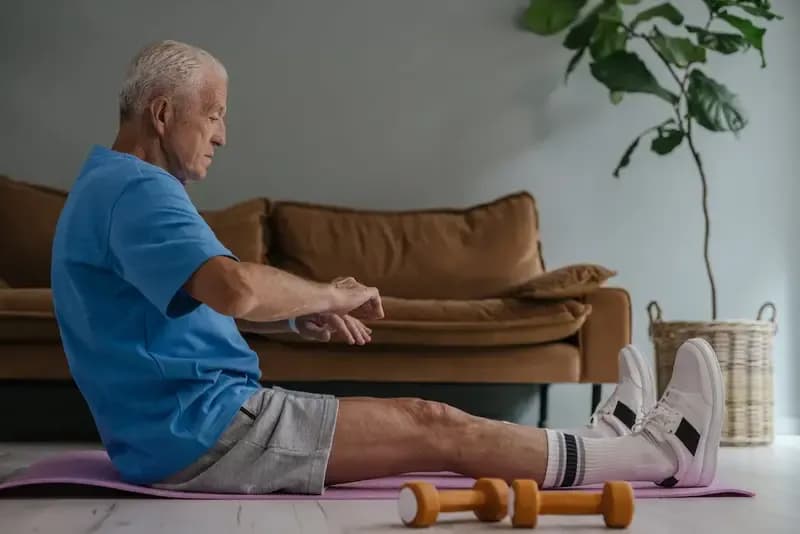

Winter Wellness: Essential Care Tips for Seniors

Winter Wellness: Essential Care Tips for Seniors

Dr. Saloni Kabra

Book Online

Homoeopath

7 yrs

Indore

Clinic
Indore
Fee on request
Email

Dr. Saloni Kabra

Book Online

Homoeopath • 7 yrs • Indore

Indore

Clinic
Indore
Fee on request
Email
Overview

Winter brings unique challenges for everyone, especially for the elderly. Cold temperatures, icy conditions, and flu season pose significant risks to seniors.

Introduction

Winter brings unique challenges for everyone, especially for the elderly. Cold temperatures, icy conditions, and flu season pose significant risks to seniors. In this comprehensive guide, we delve into vital care tips to ensure the safety and well-being of seniors during the winter months. Our focus is not just on physical health but also on mental well-being and overall comfort.

Understanding the Risks

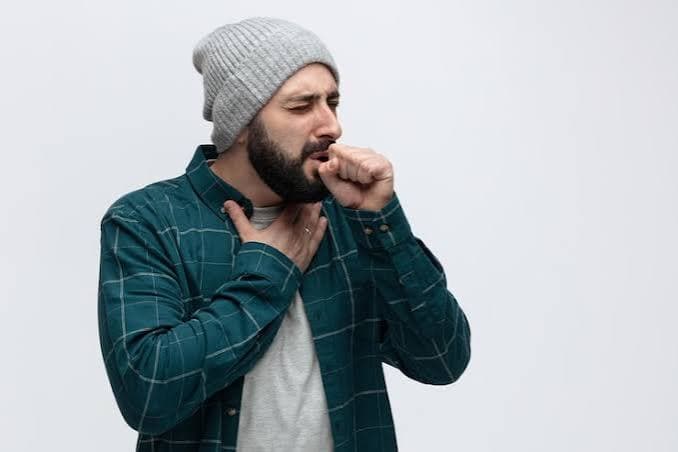
Older adults are particularly susceptible to hypothermia and frostbite due to slower metabolism and decreased body fat. Signs of hypothermia include shivering, exhaustion, confusion, and slurred speech. Frostbite, on the other hand, manifests as numbness and skin discoloration. Preventive measures like adequate heating and warm clothing are crucial.

Hypothermia and Frostbite

Icy and snowy conditions significantly increase the risk of falls for seniors. To prevent such accidents, ensure walkways are cleared and salted. Seniors should be encouraged to wear non-slip shoes and use assistive devices if necessary.

Falls and Injuries

Indoor Safety and Comfort

Maintain a comfortable and safe temperature at home. Seniors should dress in layers even indoors to retain body heat. Regularly check heating systems and use space heaters cautiously to prevent fires.

Keeping Warm

A well-insulated home is a safer home. Check for drafts and insulate windows and doors as needed. Install carbon monoxide detectors and regularly check smoke alarms to prevent and alert for any emergencies.

Home Safety

Health and Nutrition

A nutritious diet is vital in winter. Incorporate winter-friendly foods like soups, stews, and root vegetables. Supplements such as Vitamin D are essential due to limited sun exposure.

Balanced Diet

Hydration isn't just a summer concern. Encourage seniors to drink fluids regularly, as dehydration can be less noticeable in colder weather.

Staying Hydrated

Mental Well-being

Seasonal Affective Disorder (SAD) can be more prevalent in seniors during winter. Keeping the mind active with hobbies, reading, and puzzles can help, as well as exposure to natural light.

Combating Seasonal Depression

Maintaining social connections is crucial for mental health. Arrange for family visits, phone calls, or video chats to keep seniors engaged and connected.

Social Interaction

Outdoor Precautions

When venturing outside, seniors should dress in warm layers, wear hats, gloves, and use scarves to protect against cold winds.

Dressing for the Weather

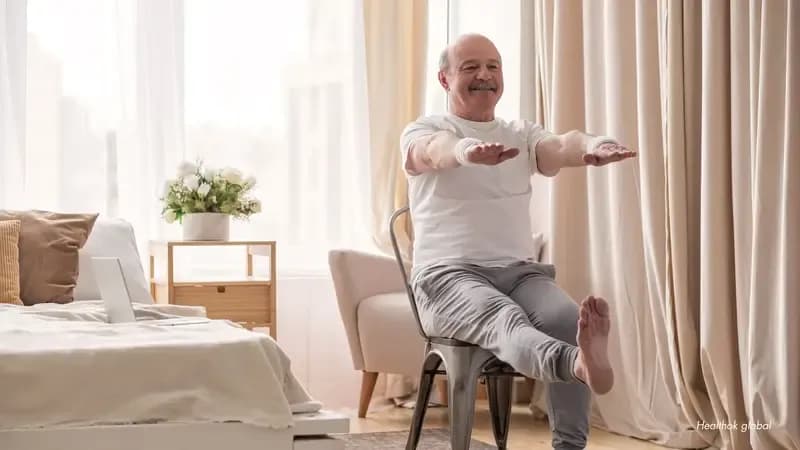
Encourage seniors to walk cautiously on snowy and icy surfaces. Recommend senior-friendly outdoor activities that are less risky but keep them active.

Safe Mobility

Health Care and Emergency Preparedness

Regular Health Check-ups

Regular medical check-ups are even more critical in winter to monitor and manage existing health conditions.

Emergency Preparedness

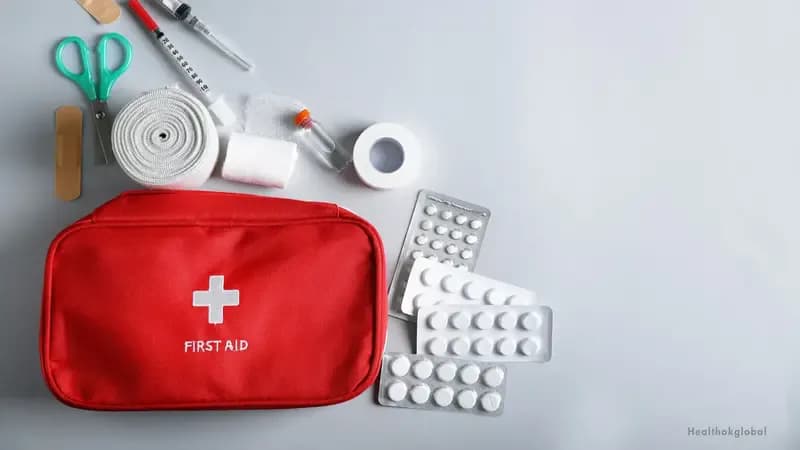
Prepare for power outages or extreme weather by keeping a well-stocked emergency kit, a list of emergency contacts, and a plan in place.

Conclusion

Caring for seniors in winter requires attention to their physical, mental, and emotional needs. By taking proactive steps and staying vigilant, we can ensure their safety and comfort during these colder months.

Call to Action

Share your tips and stories on caring for seniors in winter. For more resources and information on senior care, visit HeathOk Global.

Frequently Asked Questions

What are the winter warning signs I should watch for in my elderly parent?

Four you must not ignore. (1) Hypothermia — shivering, confusion, slurred speech, drowsiness when the room is cold; check with an oral or ear thermometer, anything under 35°C is a medical emergency, warm gradually and call 108. (2) Chest tightness or breathlessness — cold air constricts blood vessels and raises heart-attack risk by around 30% in Indian winter months. (3) Sudden joint stiffness or worsening arthritis — a normal winter flare, but manage with warm compresses and analgesics if severe. (4) Persistent cough or fever — flu and pneumonia are winter killers in seniors; get vaccinated if not already done.

What's a safe indoor temperature setup for elderly parents in winter?

Keep the bedroom and living room at 20-22°C during the day and no colder than 18°C at night — below this, blood pressure rises and cardiovascular risk goes up. Practical setup for Indian homes: layered clothing (thermals + sweater + shawl), warm socks and slippers indoors, hot water bottle or electric blanket (never left on unattended — burn risk), and safe space heater with a fireproof mat below. Ventilate rooms briefly twice daily to reduce indoor pollution and avoid stuffiness. Never use gas or kerosene heaters in a closed room — carbon monoxide poisoning is silent and often fatal.

Which vaccines should my parent get before winter?

Two are essential. (1) Annual influenza (flu) vaccine — best taken October-November before peak flu season; costs ₹500-1,500 in private clinics; ICMR + IAP endorse it for everyone over 65 and anyone with diabetes, heart disease, or COPD. (2) Pneumococcal vaccine (PPSV23 + PCV13 combination) — one-time or every 5 years depending on risk; especially critical for anyone with diabetes, CKD, heart failure, or immunosuppression; costs ₹3,000-5,500. Both together dramatically reduce winter hospitalisation risk. Ask your GP; most Indian city hospitals stock these year-round.

How much vitamin D does an elderly Indian need in winter?

800-1,000 IU daily is the standard for adults over 60, and it goes up to 2,000 IU daily if serum 25(OH)D is below 20 ng/mL (deficient). Around 70% of Indian seniors are vitamin-D-deficient — winter's lower sun exposure worsens this. Get 25(OH)D tested (₹500-1,200 in private labs) and start supplementation based on the level. Weekly high-dose 60,000 IU sachets for 8-12 weeks are commonly prescribed for deficient cases, followed by daily maintenance. Combined with adequate calcium (1,200 mg/day for over-60s), this reduces winter fall-related fracture risk.

Questions About This Article

Have a question? Ask the author directly.

Have a question about this article?

Ask Dr. Saloni Kabra directly. Your question may help others with similar concerns.

Q:1 answer
Q:1 answer
Q:1 answer
Q:1 answer

Comments (0)

Found this helpful? Share it!

LinkedInWhatsApp

More from Dr. Saloni Kabra

Other Articles You May Like