

Introduction
As individuals age, their safety needs evolve, requiring more attention and proactive measures to ensure their well-being. Personal safety for the elderly encompasses various aspects, including physical safety, health management, and emotional security. With the right strategies and awareness, older adults can maintain their independence while minimizing risks. Ensuring personal safety for the elderly is crucial not only for their physical health but also for their mental and emotional well-being. By addressing potential hazards and implementing safety measures, we can significantly improve the quality of life for older adults.
Home Safety for Seniors
Home is where most older adults spend a significant amount of their time, making it essential to ensure that their living environment is safe and comfortable. Simple modifications and regular maintenance can prevent accidents and create a safer space.
Remove loose rugs, clutter, and electrical cords from walkways to prevent tripping. Ensure that all areas of the home are well-lit, especially staircases and hallways.
Eliminating Hazards:
Install grab bars in bathrooms, non-slip mats in the shower, and handrails on both sides of staircases. Consider using furniture with rounded edges to reduce injury risks.
Installing Safety Features:
Regularly check and maintain smoke detectors, carbon monoxide detectors, and fire extinguishers. Ensure that appliances and electrical systems are in good working condition.
Regular Maintenance:
Fall Prevention Strategies
Falls are one of the leading causes of injury among the elderly, making fall prevention a critical aspect of personal safety. Implementing fall prevention strategies can help reduce the risk of falls and associated injuries.
Encourage regular physical activity, including exercises that improve strength, balance, and flexibility. Tai Chi and yoga are excellent options for enhancing balance and coordination.
Exercise and Balance Training:
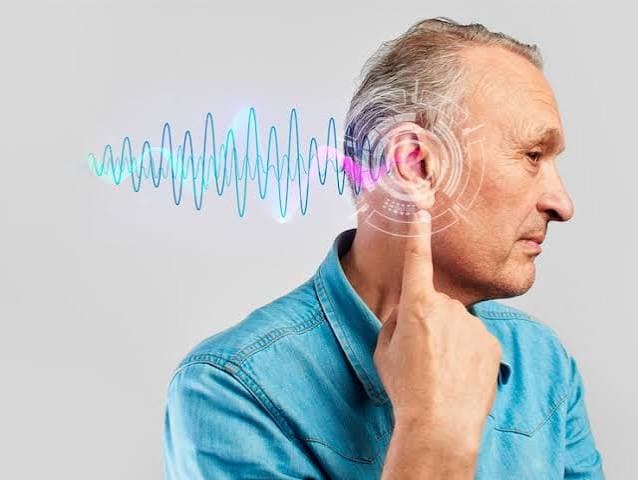
Regular eye and ear exams are essential for detecting and correcting vision and hearing impairments, which can contribute to falls.
Vision and Hearing Checks:
Review medications with a healthcare provider to identify those that may cause dizziness or drowsiness. Ensure that medications are taken as prescribed to avoid adverse effects.
Medication Management:
Emergency Preparedness for the Elderly
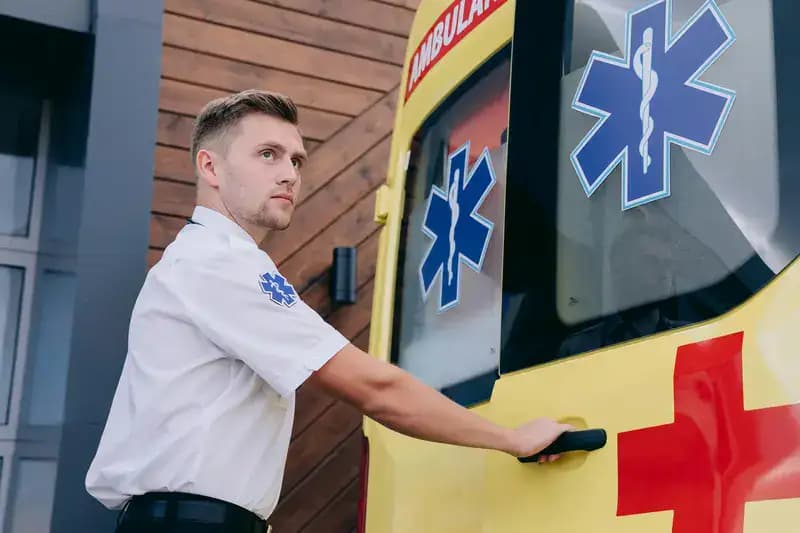
Being prepared for emergencies is vital for the safety and well-being of older adults. Emergency preparedness involves having a plan in place and ensuring that essential supplies are readily available.
Keep a list of emergency contacts, including family members, healthcare providers, and neighbors, in an easily accessible location. Ensure that emergency numbers are programmed into phones.
1. Emergency Contacts:
Maintain an up-to-date list of medical conditions, medications, and allergies. This information should be readily available for emergency responders.
2. Medical Information:
Prepare an emergency kit with essentials such as water, non-perishable food, medications, first aid supplies, flashlights, and batteries. Keep the kit in an easily accessible location.
3. Emergency Kit:
Personal Security Measures
Personal security measures are crucial for protecting older adults from potential threats such as fraud, scams, and physical harm. Implementing security measures can provide peace of mind and enhance safety.
Ensure that all doors and windows have sturdy locks. Consider installing a peephole or security camera at the front door to monitor visitors.
Secure Entryways:
Educate older adults about common scams and frauds targeting seniors. Encourage them to be cautious about sharing personal information and to verify the identity of callers and visitors.
Awareness of Scams:
Participate in or establish a neighborhood watch program to enhance community safety and support.
Neighborhood Watch:
Technology for Elderly Safety
Advancements in technology have provided numerous tools and devices to enhance the safety and well-being of older adults. Incorporating technology into daily routines can help monitor health, detect emergencies, and provide assistance when needed.
Medical alert systems with fall detection features can provide immediate assistance in case of a fall or emergency. These systems typically include wearable devices with emergency buttons.
Medical Alert Systems:
Smart home devices such as motion-sensor lighting, automated thermostats, and security cameras can enhance safety and convenience for older adults.
Smart Home Devices:
Devices that monitor vital signs, such as blood pressure and heart rate, can help manage chronic conditions and alert caregivers to potential health issues.
Health Monitoring Devices:
Social and Emotional Safety
Social and emotional well-being is an integral part of personal safety for the elderly. Ensuring that older adults have social connections and emotional support can prevent isolation and improve overall quality of life.
Encourage participation in social activities, community events, and clubs. Regular interactions with family and friends can provide emotional support and reduce feelings of loneliness.
Maintaining Social Connections:
Be attentive to signs of depression or anxiety and seek professional help if needed. Mental health support services can provide counseling and therapy to address emotional concerns.
Mental Health Support:
Promote activities that engage the mind and body, such as hobbies, puzzles, and physical exercise. Staying active and mentally stimulated can enhance well-being and prevent cognitive decline.
Engaging Activities:
Conclusion
Ensuring personal safety for the elderly involves a multifaceted approach that addresses physical, emotional, and social aspects of well-being. By implementing home safety measures, fall prevention strategies, emergency preparedness plans, and personal security measures, older adults can enjoy a safe and fulfilling life. Leveraging technology and maintaining social connections further enhances their quality of life and independence. Understanding and prioritizing the personal safety of older adults is crucial for their overall health and happiness. With the right strategies and support, we can create a safer and more supportive environment for the elderly, allowing them to live with dignity and confidence.




Comments (0)