Last month, a 32-year-old marketing executive in Bengaluru fainted during a client presentation.
Doctors ran every possible test — heart, sugar, thyroid, even vitamin levels.
Everything came back normal.
The actual culprit? Sleep debt.
We don’t talk about it much, but in India’s cities, lack of proper sleep has quietly become one of the biggest health threats. It’s not just about feeling tired. It’s about what happens when your body never gets the deep rest it needs.
Why We’re Sleeping Less Without Realising It
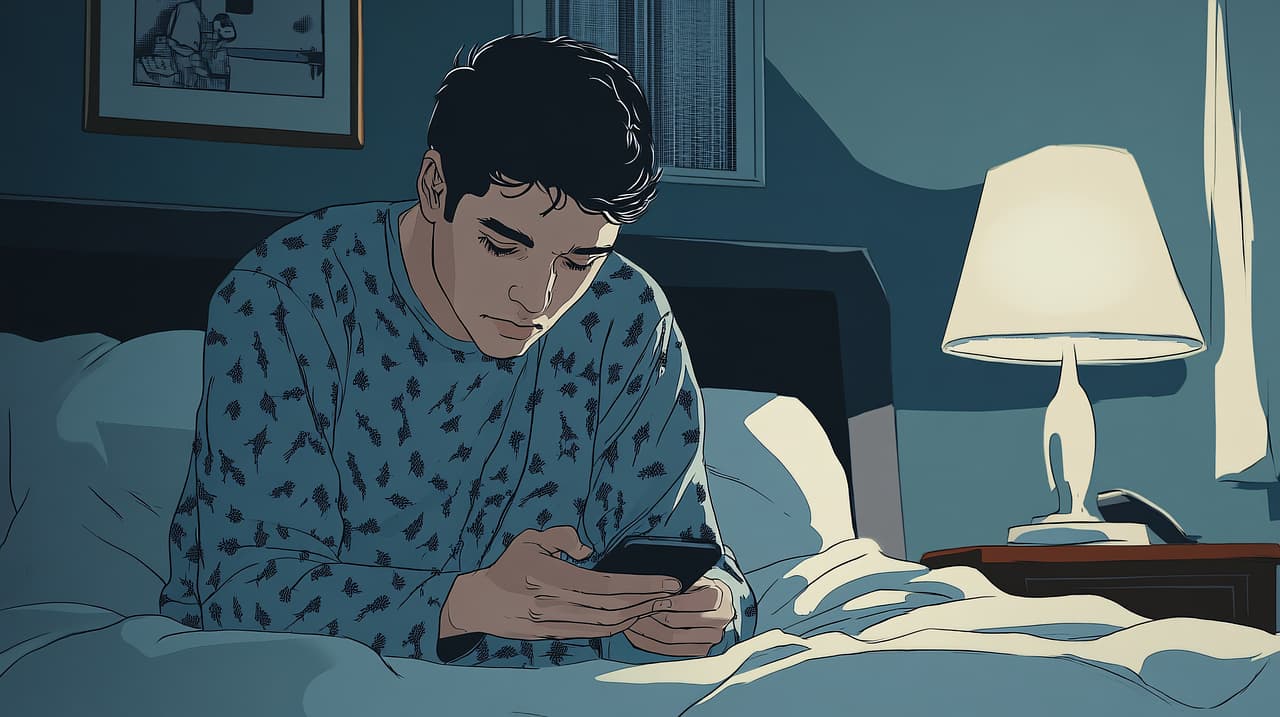
Twenty years ago, most families in India wound down by 10:30 pm. Today, 10:30 pm is when many people finally open their laptops to “catch up” on work or scroll endlessly through Instagram reels.
Add late-night cricket matches, work-from-home schedules, and the fear of missing out, and suddenly we are living in a 24/7 world.
Here’s what’s dangerous:
Even if you’re in bed for six hours, your body may only get four hours of quality sleep because of stress, screen light, and irregular timing. Over a week, that’s like losing two full nights of sleep.
Doctors call this sleep debt — and your body always collects the payment, usually through illness.
The Domino Effect on Your Health
Sleep debt doesn’t just make you yawn at your desk. It rewires your entire system in slow motion.
- Your hormones go haywire — leading to weight gain, PCOS flare-ups, and thyroid problems.
- Your brain struggles to filter emotions, which is why you feel irritable, anxious, or even depressed.
- Your heart beats under silent stress, increasing the risk of hypertension and sudden cardiac events.
Do you remember the sudden heart attack cases we’ve been seeing lately, especially among younger people?
Many of them have a hidden thread: chronic lack of deep sleep.
Why This Is Worse in India
You might think, “But everyone around me is sleeping late — it’s normal now.”
That’s exactly the problem.
In the West, people have started taking sleep seriously. Wellness apps, therapy for insomnia, even workplaces that encourage rest breaks are becoming common.
In India, however, we glorify being busy.
Pulling an all-nighter before exams, staying up late to binge-watch shows, or sacrificing sleep for work is almost seen as a badge of honour.
Culturally, we still treat sleep as optional — like a luxury, not a necessity.
The 90-Minute Rule That Can Save You
Here’s something practical and easy to try.
Our sleep works in 90-minute cycles — from light sleep to deep sleep and back.
If you wake up mid-cycle, you feel groggy and tired even if you’ve slept for eight hours.
So, instead of focusing only on the total hours, plan your bedtime in multiples of 90 minutes.
For example:
- Sleep at 11:00 pm → Wake at 6:30 am (5 cycles = 7.5 hours)
- Sleep at 12:30 am → Wake at 7:00 am (4.5 cycles = 6.75 hours)
It’s simple maths, but it works like magic.
One Small Habit to Start Tonight
No, you don’t need fancy gadgets or melatonin supplements.
Start with one basic step: switch off all bright screens 30 minutes before bed.
Not on silent mode, not on “do not disturb” — completely off.
Do something slow and grounding instead:
- Read a real book (yes, the paper kind!)
- Listen to calming music or bhajans
- Sit quietly and breathe for a few minutes
It may feel awkward at first, but within a week, you’ll notice your body naturally starting to unwind earlier.
Final Thought
We often talk about diet, exercise, and stress management when discussing health.
But sleep is the invisible foundation that holds everything together.
Ignore it long enough, and no supplement or workout plan will save you.
So tonight, when you’re tempted to scroll “just five more minutes,” remember this:
Every late-night reel comes with an interest rate. And your body will eventually send you the bill.