

Overview
Understanding Black Toenails in Diabetes
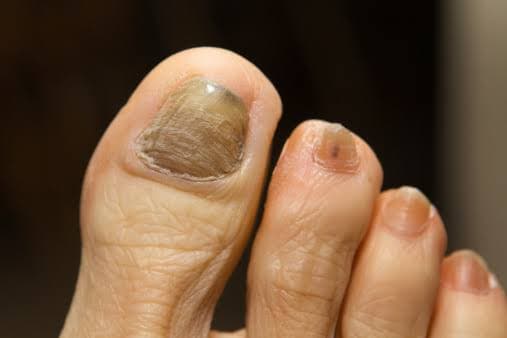
A dark or black toenail might seem like a minor issue, easily explained by tight shoes or a bumped toe. However, for individuals with diabetes, this change in nail color warrants closer attention.
Diabetes can impact the nerves and blood circulation in the feet. Reduced sensation might mean minor injuries go unnoticed, while poor circulation can hinder healing. Additionally, diabetes increases the risk of fungal infections, including those affecting the toenails. Therefore, any change in a toenail's color, shape, or condition should be examined by a professional rather than treated at home without a clear diagnosis.
Potential Causes of Black Toenails
The appearance of a black toenail alone doesn't reveal the specific cause. Several factors can contribute:
Subungual Haemorrhage (Blood Under the Nail)
This is a common explanation, often resulting from obvious injury. However, repeated pressure from tight footwear or minor, unremembered trauma can also cause bleeding under the nail. The discoloration may vary from red or purple to brown or black and should move towards the nail tip as it grows.
Fungal Nail Infection (Onychomycosis)
While fungal infections typically cause thickened, brittle, yellow, white, or brown nails, they can sometimes lead to dark or blackish discoloration. The nail might become thick, distorted, crumbly, or separate from the nail bed. People with diabetes need careful assessment for suspected fungal infections, as foot and nail problems can be more serious with impaired sensation or circulation.
Nail Unit Melanoma
Less common but significant, melanoma of the nail unit can begin as a brown or black longitudinal band, often on a big toe or thumb. If this band widens, becomes irregular, develops multiple colors, distorts the nail, or spreads to the surrounding skin, it requires dermatological evaluation.
Why Diabetes Elevates Concern
While not every black nail in a person with diabetes indicates a diabetic complication, diabetes can make minor foot issues more easily missed and potentially more serious. Diabetic peripheral neuropathy can reduce the ability to feel pain, pressure, or injury, leading individuals to continue wearing shoes that cause repeated pressure or to ignore small injuries under the nail. Impaired blood flow to the lower limbs, combined with reduced sensation, further increases the risks associated with foot injuries.
Consequently, a black toenail in someone with diabetes should be seen as a foot-health finding requiring a clear explanation, not just a cosmetic change.
Assessing the Nail and Surrounding Foot
It's important to examine the nail in context with the surrounding foot. Look for signs such as swelling, redness, warmth, discharge, open wounds, tenderness, changes in the skin, or pressure points from footwear. Thickened or yellow nails, cracking, or scaling between the toes might suggest a fungal infection. A dark mark that moves with nail growth after an injury is more likely old blood.
Conversely, a dark band without a clear history of trauma, especially if it's changing over time or spreading onto the skin, warrants professional evaluation. A healthcare provider may use close examination, dermoscopy, and further testing to determine the cause.
Avoid Self-Treatment for Discolored Nails
It is crucial not to assume a discolored nail is fungal and begin treatment without a proper clinical assessment. Various conditions can cause similar nail changes, and antifungal treatments will be ineffective if the underlying issue is trauma, bleeding, or pigmentation from another source.
Current guidance advises consulting a healthcare provider and considering testing before starting treatment for suspected fungal nail infections, as nail discoloration can have multiple causes. People with diabetes should also be cautious with aggressive nail care, avoiding cutting, scraping, or removing discolored nails themselves, as any procedure that could injure the skin requires extra care when sensation or circulation is reduced.
When to Seek Professional Check-up
A new black or dark toenail in someone with diabetes should be discussed with a healthcare professional, particularly if the cause is unclear. Prompt assessment is vital if accompanied by swelling, redness, warmth, discharge, an ulcer or wound, increasing pain, spreading discoloration, fever, or changes in the foot's color or temperature.
A dark streak in a single nail that is progressively widening or becoming irregular also requires examination, as nail-unit melanoma, though uncommon, can initially resemble a harmless pigmented nail.
Key Takeaway for People with Diabetes
A black toenail is not automatically a sign of diabetes, poor circulation, or cancer. It could be as simple as trauma from footwear or a fungal infection. However, guessing the cause based on color alone is not advisable.
For individuals living with diabetes, any new or unexplained nail change is a reason for careful inspection of the foot and seeking appropriate medical assessment when necessary. Daily foot inspections are recommended, and regular clinical foot examinations can help identify problems before they become serious.
While the nail may be small, the health information it provides about your foot is significant.












Comments (0)