Understanding Urinary Bladder Distention: Causes, Symptoms, and Treatment
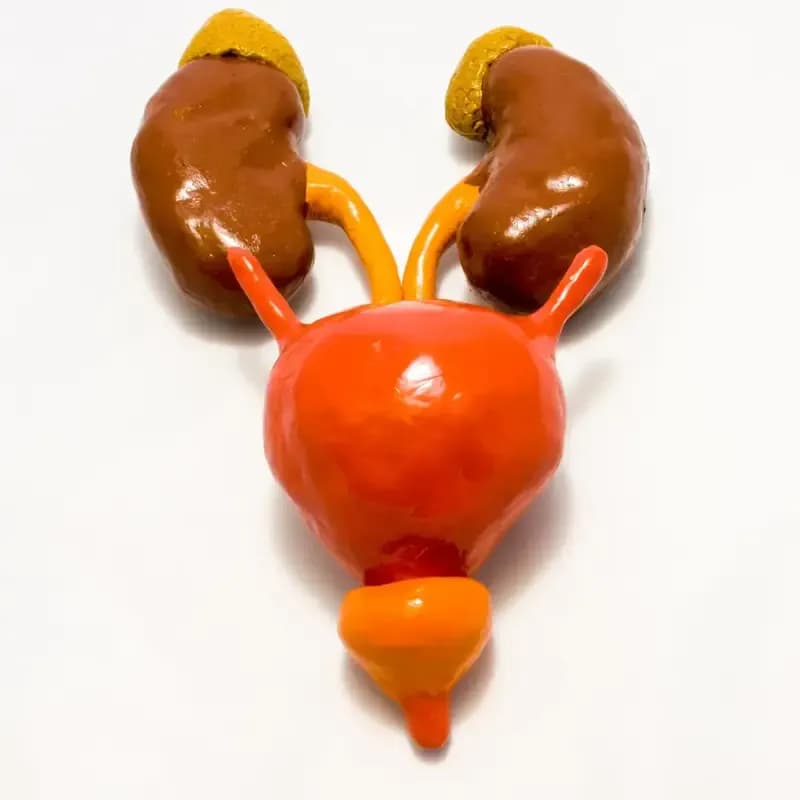
Urinary bladder distention occurs when the bladder becomes excessively stretched or enlarged due to the accumulation of urine.

The prostate is a walnut-sized gland sitting just below the bladder in men, and it creates problems for most men at some point in their lives. Benign prostatic hyperplasia (BPH) — non-cancerous enlargement — affects over 50% of men by their 50s and 80% by their 70s, causing urinary symptoms that disrupt sleep and daily life. Prostatitis, an inflammatory condition of the prostate, causes significant pelvic pain at any age. And prostate cancer is the second most common cancer in men worldwide, though in India it is often diagnosed at a later stage. Understanding the difference between these three conditions — and knowing when symptoms need urgent attention versus watchful waiting — prevents unnecessary fear and unnecessary delay in equal measure.
Last reviewed: 11 August 2026
Urinary bladder distention occurs when the bladder becomes excessively stretched or enlarged due to the accumulation of urine.

A trabeculated bladder is a condition characterized by thickening and irregularity of the bladder wall.

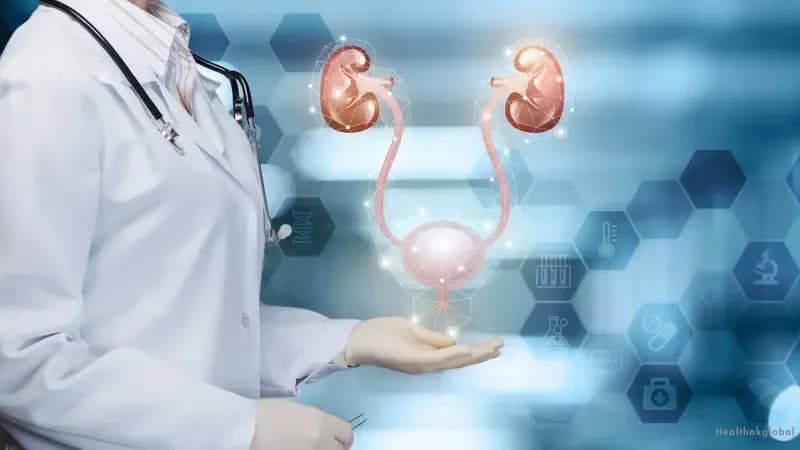
The trigone changes with age, post-menopausal thinning, BPH-driven pressure, diabetes-related nerve changes. Here is what happens to the trigone in older adults and which symptoms should send you to a urologist.


Manipal Hospitals on Instagram: "If you’re struggling with frequent urination or weak flow of urine, you may have a condition called Benign Prostatic Hyperplasia (BPH), or an enlarged prostate! Dr. Deepak Dubey, HOD & Consultant - Uro - Oncology Robotic Surgery and Renal Transplantation and Dr. Anand Patil, Consultant - Uro - Oncology Robotic Surgery, Manipal Hospital Old Airport explain that while medications and surgery are options, side effects and recovery can be tough. Rezum Water Vapor Therapy is an advanced, minimally invasive water vapor-based treatment that effectively reduces excess prostate tissue without surgery.#ManipalHospitalOldAirportRoad #YourManipal #LifesOn #HealthCare #ManipalHospitals#ProstateHealth #BPHRelief #MensHealth #NoMoreMeds #RezumTherapy #MinimalInvasive"

In concert with the exponential and rapid improvements, laparoscopic techniques have led to implement minimally invasive approaches in several different urol...

Dr. Anand Dharaskar, Consultant - Urology, Manipal Hospitals Baner, talks about prostate enlargement in men in this informative video. Watch the complete vid...

Dr. Anand Dharaskar is among the Best Urologist, Andrologist and stone specialist in Pimple Saudagar. He is working in Aditya Birla Memorial Hospital as a A...
Expert answers from our medical team
BPH (benign prostatic hyperplasia) is non-cancerous enlargement of the prostate — it cannot become prostate cancer, and having BPH does not raise your cancer risk. Both can cause similar urinary symptoms (weak stream, frequency, getting up at night), which is why they are sometimes confused. Prostate cancer is a malignancy that may additionally cause bone pain, blood in semen, or erectile dysfunction in advanced stages. Distinguishing them requires a PSA blood test, digital rectal examination by a urologist, and sometimes an MRI and biopsy. A raised PSA does not automatically mean cancer — BPH, prostatitis, and even a urinary infection can raise PSA. A urologist interprets PSA in context.
In India, current guidance varies — most urologists recommend discussing PSA screening with your doctor from age 50 if you have average risk, or from age 40-45 if you have a first-degree relative with prostate cancer or are of African descent (higher risk groups). The PSA test has limitations: it can be falsely elevated (BPH, prostatitis, recent ejaculation, bicycle riding) and not all prostate cancers are aggressive. A single PSA above 4 ng/mL doesn't trigger immediate biopsy — the trajectory over time (velocity), PSA density, and MRI findings all inform the decision. The conversation is about informed shared decision-making with your doctor, not a blanket screen-everyone or screen-nobody approach.
Treatment depends on how much BPH symptoms affect your quality of life, not just prostate size. Mild symptoms: watchful waiting with lifestyle changes — reduce fluid in the evenings, limit caffeine and alcohol, double-void (urinate, wait a minute, urinate again). Moderate symptoms: alpha-blockers (tamsulosin, alfuzosin) relax prostate muscle within days to weeks; 5-alpha reductase inhibitors (finasteride, dutasteride) shrink the prostate over 6 months. Combination therapy works better than either alone for moderate-severe BPH. Severe symptoms or complications (urinary retention, bladder damage, recurrent infections): surgery — TURP (transurethral resection) remains the gold standard, with newer options including laser procedures, Urolift, and Rezum.
No — prostate cancer is a spectrum. Low-grade, localised prostate cancer (Gleason score 6) grows so slowly that many men with it die of other causes without it ever causing symptoms. This is why 'active surveillance' — regular PSA monitoring and repeat biopsies rather than immediate treatment — is a legitimate and guideline-supported option for low-risk localised cancer. Intermediate- and high-risk cancers need treatment: surgery (radical prostatectomy), radiation therapy (external beam or brachytherapy), and hormone therapy are all options. Advanced prostate cancer that has spread to bones is managed differently — hormone therapy, targeted drugs, and chemotherapy. Prognosis ranges from essentially curable (localised disease) to manageable for years (advanced disease).
Prostatitis is inflammation of the prostate — it has nothing to do with cancer risk and affects men of any age, most commonly 30-50. Acute bacterial prostatitis causes sudden fever, severe perineal and pelvic pain, and urinary symptoms — it needs urgent antibiotics (6-8 weeks) and sometimes hospital admission. Chronic bacterial prostatitis causes recurrent urinary infections and pelvic pain — treated with long-course antibiotics. Chronic pelvic pain syndrome (CPPS, previously called chronic non-bacterial prostatitis) is the most common form — it causes persistent pelvic, perineal, or penile pain without infection, and responds to a combination of alpha-blockers, anti-inflammatories, physiotherapy, and sometimes antidepressants or gabapentinoids for pain modulation.
Questions from our community members
Ask our medical community. Your question may help others with similar concerns.
Verified specialists across India