Palliative Care: Understanding the Role in Enhancing Quality of Life
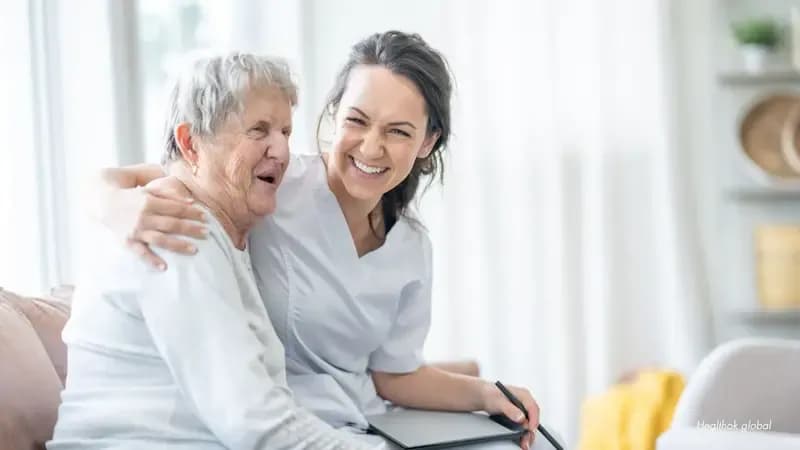
Learn about palliative care, its importance, benefits, and how it supports patients and families. Explore how it ensures comfort, dignity, and better quality of life.

End of Life Care covers palliative care, hospice, advance directives, pain management, and the conversations families struggle to start. Our doctors and editorial team write with directness and respect about what dying well can look like, what choices Indian families have today, and how to honor a loved one's wishes when curative care is no longer the goal.
Last reviewed: 10 August 2026
Learn about palliative care, its importance, benefits, and how it supports patients and families. Explore how it ensures comfort, dignity, and better quality of life.
Four main types of elderly care exist in India, in-home care, assisted living, nursing homes, and hospice/palliative care. Each fits different needs and stages. Here is a practical comparison to help families choose based on the elder's actual medical and functional condition.
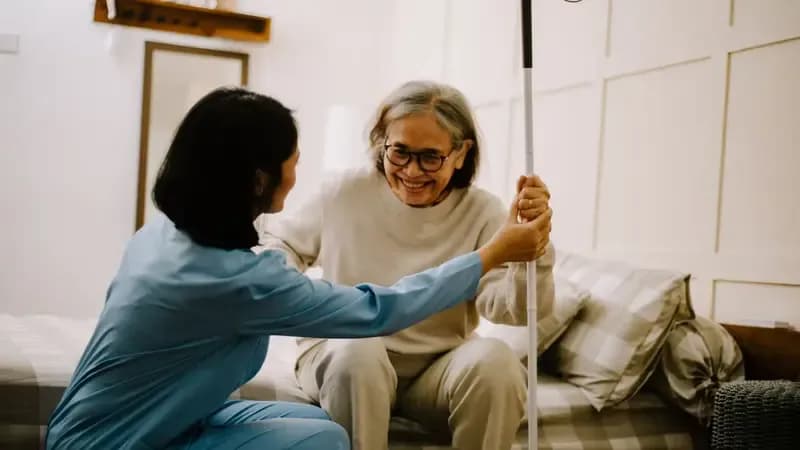
Elderly care spans five domains, physical health, mental wellbeing, safety and mobility, social engagement, and end-of-life care. This guide covers each with practical action for Indian families caring for aging parents.
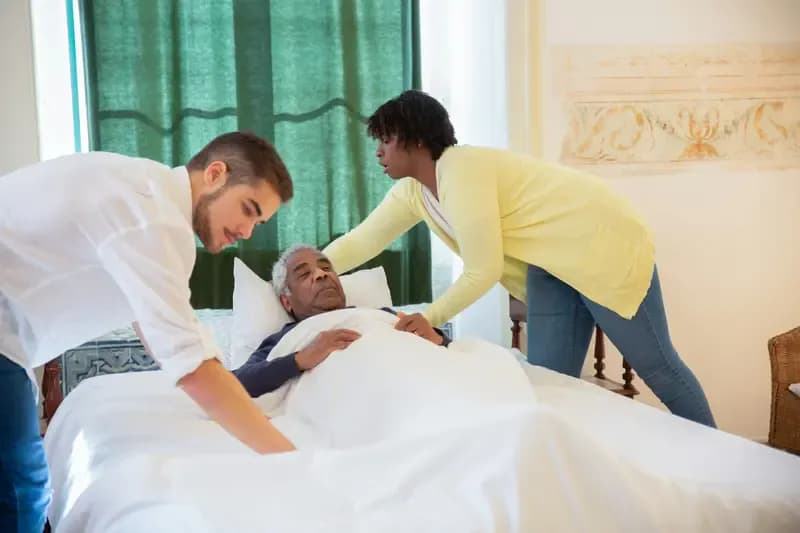
Home nursing services in India range from trained attendants for basic bathing and feeding to qualified nurses managing post-operative care, wound care, IV medications, and complex chronic conditions. Here is how to match the right level of care to your parent's needs.

Pain is a complex and subjective experience that can significantly affect a person's quality of life.

Abdominal pain is a common complaint among patients and can be caused by a variety of conditions. This guide provides a detailed nursing care plan for effective assessment, diagnosis, and management.

Pre and post operative care is crucial for ensuring successful surgical outcomes and promoting quick recovery.
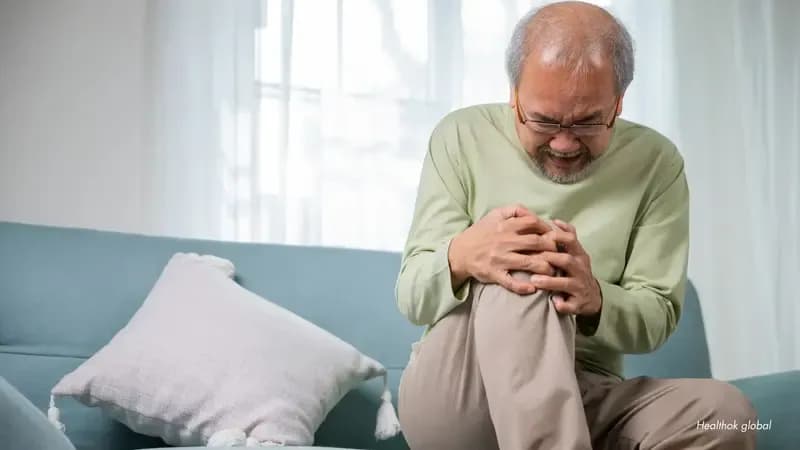
Explore pain management for seniors with effective strategies, including medications, therapies, and specialized care. Learn how to address chronic pain and improve quality of life.
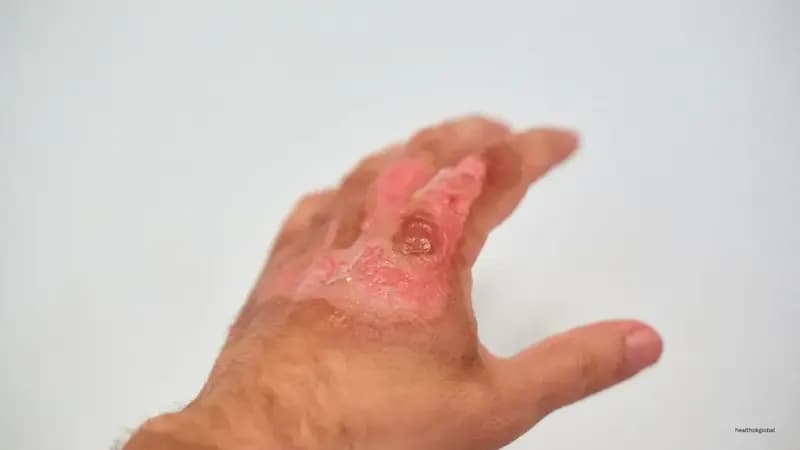
Developing an effective nursing care plan for patients with burns involves thorough assessment, diagnosis, and intervention. This guide provides essential information on creating and implementing nursing diagnoses for burns.

Weakness can result from various medical conditions and significantly impact a patient's quality of life. This comprehensive nursing care plan covers the symptoms, treatment options, and long-term management strategies to improve patient outcomes.
Expert answers from our medical team
Palliative care focuses on quality of life — managing pain, breathlessness, fatigue, anxiety — for anyone with serious illness. It's not the same as end-of-life care, though it includes it. Modern practice: start palliative care alongside active treatment when illness is serious, not only in final weeks. It doesn't mean giving up; it means being cared for well.
Earlier than feels comfortable. Ask about what matters to them — where they'd want to be cared for, what treatments they would or wouldn't want, who should speak for them if they can't. Indian cultural norms often avoid these conversations; the absence makes eventual decisions harder for the family. A palliative care team or counsellor can help facilitate. Written documentation (advance directives) is now recognised in India.
For most people it means: symptom control (especially pain), dignity, being surrounded by loved ones, being in a preferred setting (often home), avoiding unnecessary interventions in the final phase, and — for many — spiritual comfort. Hospice care (home-based end-of-life care) is available in more Indian cities now. Discussing preferences with family and doctors well ahead makes this possible.
Increasingly yes, especially in major cities where palliative-care networks exist (Kerala leads, Delhi CanSupport, Bangalore Karunashraya, others). Home care needs: a family caregiver or professional attendant, doctor and nurse support (usually visiting or on-call), medication management, and — critically — home oxygen or other equipment as needed. Not possible for everyone; hospitals and hospices are alternatives.
Grief is uneven — some family members mourn immediately, others weeks or months later. Practical tasks (finances, paperwork, disposing of belongings) can create tension between siblings. Rituals help many families. Professional grief counselling is worth considering when grief is prolonged, disabling, or complicated by conflict. Even 'expected' losses of very old parents hit harder than families expect.
Questions from our community members
Ask our medical community. Your question may help others with similar concerns.
Verified specialists across India