
Overview
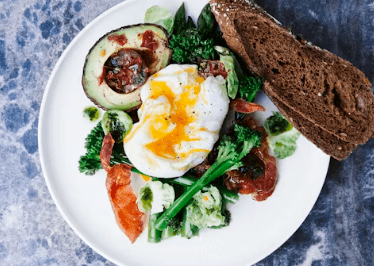
High-protein breakfasts are everywhere—from protein shakes and Greek yogurt to eggs, paneer and protein cereals. They are especially popular among people trying to lose weight, build muscle or control hunger.
But is a high-protein breakfast actually healthier?
It can be, if the overall meal is balanced. Protein helps maintain muscles and may increase fullness, but simply adding more protein does not make a meal automatically nutritious.
What Makes a Healthy High-Protein Breakfast?
A good breakfast should ideally contain:
- Protein: eggs, curd, paneer, tofu, dal or sprouts
- Fibre: vegetables, fruit, oats or whole grains
- Healthy fats: nuts and seeds
- Carbohydrates: poha, oats, whole grains or fruit
The goal is balance, not maximum protein.
Easy Indian High-Protein Breakfast Ideas
Try:
- Moong dal chilla + curd
- Egg bhurji + vegetables
- Paneer or tofu bhurji
- Greek yogurt + fruit + nuts
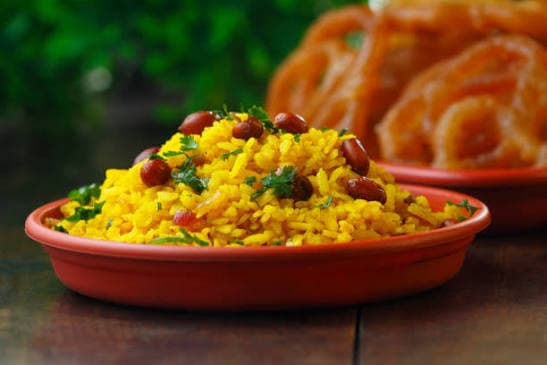
- Vegetable poha + peanuts + curd
- Sprouts chaat + curd
Is More Protein Always Better?
No. Large amounts of cheese, nuts, protein bars and shakes can add significant calories. Some packaged “high-protein” foods may also contain added sugar or be highly processed.
Protein powder can be convenient, but most people do not necessarily need it if they can obtain adequate protein from regular foods.
Bottom Line
A high-protein breakfast can be a healthy choice, particularly when it helps you stay full and supports adequate protein intake.
But don't focus only on protein. Choose a meal that combines protein + fibre + whole foods + sensible portions.
Traditional Indian foods can easily fit into this approach—no expensive “protein” products required.
Medical Disclaimer: This article is for general educational purposes and does not replace personalised medical advice.









Comments (1)