
रूखी त्वचा से छुटकारा पाएं | Dr. Sushma Jadhav

Psoriasis is a chronic immune-mediated skin condition causing scaly, silvery, inflamed patches — most commonly on the scalp, elbows, knees, and lower back — that cycle through flares and remissions throughout a person's life. In India, psoriasis affects approximately 1-3% of the population and is significantly underdiagnosed and undertreated, partly because people mistake it for eczema or dandruff, and partly because of the social stigma of a visibly unusual skin condition. Psoriasis is not contagious — it cannot be spread by touch. Beyond the skin, 20-30% of patients develop psoriatic arthritis, a form of inflammatory joint disease. The treatment landscape has been transformed over the past decade: highly effective biologic medications now achieve skin clearance that was impossible even 15 years ago, and are increasingly available in India.
Last reviewed: 10 August 2026

Faculty of Homoeopathy- PU on Instagram: "🌿 Success Story: Psoriasis Treatment with HomeopathyA 38-year-old female found relief from psoriasis over the foot through successful homeopathic treatment. This achievement underscores the effectiveness of homeopathy in addressing chronic skin conditions.
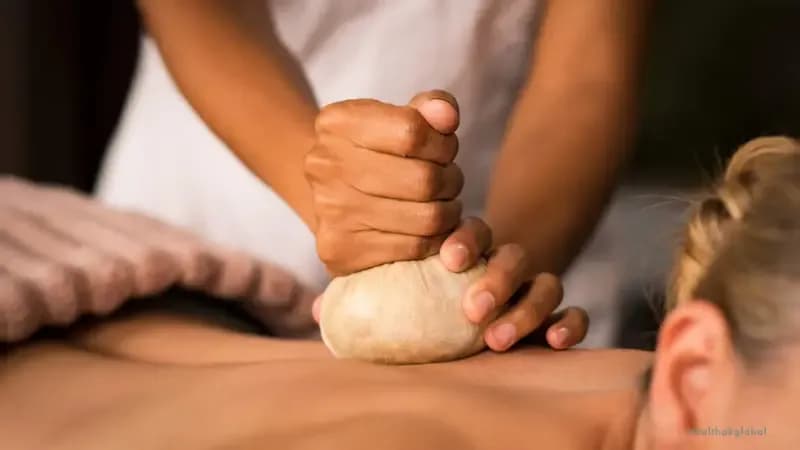
Ayurvedic treatment for eczema offers natural remedies that help manage symptoms and improve skin health.
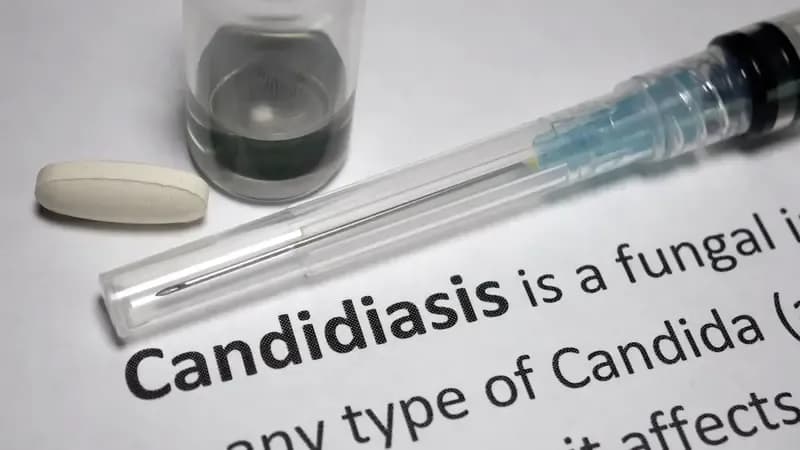
Mucocutaneous candidiasis is a fungal infection that affects the skin, nails, and mucous membranes, caused by the Candida species of fungi.
Verified specialists across India
Psoriasis is driven by immune dysregulation — T-cells mistakenly attack skin cells, causing them to multiply about 10 times faster than normal. The rapidly accumulating cells form the characteristic thick, silvery scales. There is a strong genetic component (30-40% of patients have a first-degree relative with psoriasis), but triggers activate the condition in genetically susceptible people: streptococcal throat infection (a common trigger for guttate psoriasis), stress, skin injury (the Koebner phenomenon — psoriasis appearing at the site of cuts, injections, or sunburn), certain medications (lithium, beta-blockers, antimalarials, NSAIDs can worsen psoriasis), alcohol, and smoking. Psoriasis is not curable — the immune predisposition remains — but it can be controlled to the point of complete or near-complete skin clearance with the right treatment, and some patients have extended periods of natural remission.
Plaque psoriasis (psoriasis vulgaris) is the most common form (85-90%) — well-defined, raised, red plaques with silvery scale on the scalp, elbows, knees, and trunk. Scalp psoriasis is extremely common and causes thick scaling that can look like severe dandruff. Guttate psoriasis causes small teardrop-shaped lesions across the trunk and limbs — often appears in younger people after a strep throat infection. Pustular psoriasis has non-infectious pus-filled blisters — either localised to palms and soles (palmoplantar pustulosis) or generalised (a medical emergency). Erythrodermic psoriasis involves near-total body surface red inflamed skin — another emergency requiring hospitalisation. Nail psoriasis causes pitting, discolouration, and separation of the nail from the nail bed — seen in 50% of psoriasis patients. Psoriatic arthritis involves joints — see the arthritis section.
For mild-moderate psoriasis (less than 10% body surface area): topical corticosteroids are first-line for quick flare control — use moderate to high potency for the body, mild for the face and skin folds, always for limited periods. Vitamin D analogues (calcipotriol, calcitriol) normalise skin cell growth — effective alone or combined with steroid in a single product (Dovobet/Daivobet — calcipotriol + betamethasone dipropionate — once daily, convenient and effective). Coal tar preparations (shampoos, ointments) are older but effective for scalp and nail psoriasis. Salicylic acid removes scale, allowing other treatments to penetrate. Topical calcineurin inhibitors for face and flexures. Rotational use of different agents prevents tachyphylaxis (reduced response with prolonged steroid use). For scalp psoriasis: steroid solutions or shampoos (clobetasol shampoo) are effective and more cosmetically acceptable than ointments.
Biologic therapies are injectable or infusible medications targeting specific immune pathways driving psoriasis. They represent a transformation in treatment — many patients achieve 90-100% skin clearance (PASI 90/100 response), which was not achievable with older systemic treatments. Main classes: TNF-alpha inhibitors (adalimumab, etanercept — established, now available as biosimilars in India making them more affordable), IL-17 inhibitors (secukinumab, ixekizumab — very effective, given monthly after loading), IL-23 inhibitors (guselkumab, risankizumab, tildrakizumab — highly effective, given every 8-12 weeks after loading). Biosimilar versions of several biologics are available in India, significantly reducing cost compared to originator brands. Biologics require screening for tuberculosis (chest X-ray, IGRA test — important in India's TB context) before starting. They are appropriate for moderate-severe psoriasis not responding to topicals and phototherapy.
Several lifestyle factors consistently worsen psoriasis: alcohol (dose-dependent worsening — alcohol is both a direct inflammatory trigger and reduces adherence to treatment; heavy drinkers have more treatment-resistant disease), smoking (independent risk factor for psoriasis severity and for psoriatic arthritis), stress (both emotional and physical stress trigger flares through neuroimmune pathways — stress management genuinely helps), obesity (excess adipose tissue is pro-inflammatory and increases psoriasis severity; weight loss improves disease and response to biologics), and skin trauma (protect skin from cuts, burns, and aggressive cosmetic procedures during flares). Positive factors: regular exercise (anti-inflammatory effect), adequate sleep, and vitamin D sufficiency (many psoriasis patients are deficient, and supplementation may help). Dietary changes (anti-inflammatory diet, Mediterranean diet) have limited but some evidence — they support overall health rather than dramatically changing psoriasis activity.
Ask our medical community. Your question may help others with similar concerns.
No questions yet. Be the first to ask!