
Introduction
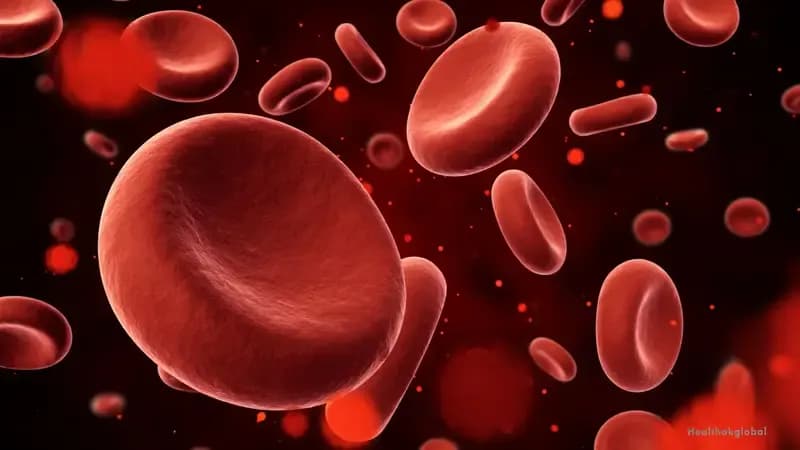
The Erythrocyte Sedimentation Rate (ESR) is a blood test that measures the rate at which red blood cells (erythrocytes) settle at the bottom of a test tube over an hour. This rate is influenced by the presence of inflammation in the body, which can cause the red blood cells to clump together and settle more quickly. A high ESR indicates the presence of inflammation, which can be due to a variety of underlying conditions. This test is a nonspecific marker, meaning it doesn't pinpoint the exact cause of inflammation but signals that further investigation is needed.
The Importance of ESR in Diagnosing Conditions
ESR is an essential diagnostic tool used alongside other tests to detect inflammation and monitor the progression or treatment response of inflammatory diseases. It helps healthcare providers identify conditions such as infections, autoimmune disorders, and cancers. By understanding the ESR value in conjunction with clinical symptoms and other diagnostic tests, physicians can form a more comprehensive picture of a patient's health. The ESR test is particularly valuable in tracking chronic conditions over time, allowing for adjustments in treatment plans as needed.
Common Symptoms Associated with High ESR
A high ESR often correlates with symptoms of the underlying condition causing the inflammation. While ESR itself does not cause symptoms, it serves as a red flag indicating potential health issues. Common symptoms that might accompany a high ESR include:
Persistent fever and chills are often associated with infections or inflammatory diseases that can elevate ESR. Fever is a common inflammatory response, and its presence alongside a high ESR can indicate an active infection or autoimmune flare.
Fever and Chills:
Chronic inflammation can lead to ongoing fatigue and general weakness, impacting daily activities. This systemic response can be debilitating and affect quality of life, often prompting further medical evaluation.
Fatigue and Weakness:
Sudden and unintentional weight loss can be a sign of underlying diseases such as cancer or chronic infections that elevate ESR. This symptom is particularly concerning and warrants immediate medical attention.
Unexplained Weight Loss:
Specific Conditions Linked to High ESR
High ESR is linked to a variety of medical conditions, each presenting with its specific set of symptoms. Some of these conditions include:
Bacterial, viral, and fungal infections can all lead to high ESR. Symptoms vary depending on the type and location of the infection but often include fever, pain, and fatigue. Infections prompt an immune response, increasing inflammation and consequently raising ESR levels.
Infections:
Conditions like rheumatoid arthritis and systemic lupus erythematosus (SLE) cause chronic inflammation, leading to high ESR. Symptoms may include joint pain, stiffness, and swelling. Autoimmune diseases involve the body's immune system attacking its tissues, causing persistent inflammation.
Autoimmune Diseases:
Certain cancers, especially those affecting the blood or lymphatic system, can result in elevated ESR. Symptoms might include fatigue, night sweats, and swollen lymph nodes. Cancers can cause significant inflammatory responses, detectable through an increased ESR.
Cancers:
Infections and High ESR
Infections are a common cause of elevated ESR. When the body fights an infection, the immune response generates inflammation, raising ESR levels. Symptoms depend on the infection's nature and severity but commonly include:
Conditions like pneumonia or tuberculosis can cause high ESR, with symptoms including cough, chest pain, and difficulty breathing. These infections involve significant inflammation in the lungs, leading to elevated ESR.
Respiratory Infections:
High ESR can accompany UTIs, presenting symptoms such as painful urination, abdominal pain, and frequent urination. UTIs can cause localized and systemic inflammation, reflected in increased ESR.
Urinary Tract Infections:
Cellulitis or abscesses can cause localized pain, redness, swelling, and increased ESR. The body's immune response to skin infections involves inflammation, contributing to a higher ESR.
Skin Infections:
Autoimmune Disorders and High ESR
Autoimmune disorders involve the immune system mistakenly attacking the body's own tissues, causing chronic inflammation and high ESR. Common autoimmune diseases linked to elevated ESR include:
RA causes joint inflammation, leading to pain, swelling, and stiffness, primarily in the hands and feet. RA is a chronic condition that leads to persistent high ESR due to ongoing inflammation.
Rheumatoid Arthritis (RA):
SLE can affect multiple organs, presenting symptoms like joint pain, skin rashes, and kidney issues. The widespread inflammation in SLE results in elevated ESR levels.
Systemic Lupus Erythematosus (SLE):
This condition involves inflammation of the blood vessels in the head, causing severe headaches, scalp tenderness, and jaw pain. Temporal arteritis can cause significantly high ESR and requires prompt medical treatment.
Temporal Arteritis:
Chronic Diseases and High ESR
Chronic diseases often present with persistent inflammation, leading to elevated ESR. Conditions such as inflammatory bowel disease (IBD), chronic kidney disease, and cardiovascular diseases can cause ongoing inflammation, reflected in high ESR levels.
Diseases like Crohn's disease and ulcerative colitis cause chronic inflammation in the digestive tract, leading to symptoms such as abdominal pain, diarrhea, and weight loss, along with high ESR.
Inflammatory Bowel Disease (IBD):
Kidney disease can lead to systemic inflammation, presenting symptoms such as fatigue, swelling, and changes in urine output. Elevated ESR is common in chronic kidney disease due to the persistent inflammatory state.
Chronic Kidney Disease:
Chronic inflammation plays a role in atherosclerosis and other cardiovascular diseases. Symptoms may include chest pain, shortness of breath, and fatigue. High ESR is often seen in patients with cardiovascular inflammation.
Cardiovascular Diseases:
Monitoring and Managing High ESR
Regular monitoring of ESR is crucial for patients with chronic inflammatory conditions to assess disease activity and treatment efficacy. Management strategies depend on the underlying cause but generally include:
Anti-inflammatory drugs, antibiotics, or immunosuppressants may be prescribed to treat the root cause of high ESR. These medications help reduce inflammation, thereby lowering ESR levels.
Medications:
A healthy diet, regular exercise, and stress management can help reduce inflammation and improve overall health. Incorporating anti-inflammatory foods and maintaining a balanced lifestyle are essential in managing high ESR.
Lifestyle Modifications:
Ongoing medical evaluations ensure timely detection and management of any changes in disease activity. Regular blood tests, including ESR, help track the progress and effectiveness of treatments.
Regular Check-Ups:
Dietary and Lifestyle Factors Affecting ESR
Certain dietary and lifestyle factors can influence ESR levels. Consuming an anti-inflammatory diet, rich in fruits, vegetables, whole grains, and lean proteins, can help manage inflammation. Additionally, regular physical activity and avoiding smoking and excessive alcohol consumption can positively impact ESR levels.
Foods rich in omega-3 fatty acids, antioxidants, and fiber can help reduce inflammation. Examples include fatty fish, nuts, seeds, berries, and leafy greens.
Anti-Inflammatory Diet:
Regular exercise helps maintain overall health and reduce inflammation. Activities such as walking, swimming, and yoga can be beneficial.
Physical Activity:
Smoking and excessive alcohol consumption can increase inflammation. Quitting smoking and moderating alcohol intake are crucial steps in managing high ESR.
Avoiding Smoking and Alcohol:
Understanding ESR Results
Interpreting ESR results requires considering various factors, including age, gender, and underlying health conditions. Normal ESR values can vary based on these factors, and slightly elevated ESR may not always indicate a severe condition. It's essential to consult with a healthcare provider to understand the significance of ESR results in the context of overall health.
Typically, normal ESR values range from 0-20 mm/hr for men and 0-30 mm/hr for women. These values can vary slightly depending on the laboratory and population norms.
Normal ESR Values:
Slightly elevated ESR may be seen in older adults or individuals with minor infections. In such cases, additional tests and clinical correlation are necessary to determine the cause.
Mildly Elevated ESR:
High ESR levels often indicate a more severe underlying condition, such as chronic inflammation, infection, or cancer. Further diagnostic testing is required to identify the cause and initiate appropriate treatment.
Significantly Elevated ESR:
Conclusion
A high ESR is a signal, not a diagnosis, it points to inflammation somewhere in the body but does not name the cause. Read alongside CRP, symptoms, and a targeted workup, it is one of the most useful screening tests in medicine, particularly in India where TB, autoimmune disease, and occult malignancy all commonly present with a nonspecific fever and a raised ESR. If your report shows an elevated value, the next step is not to worry about the number itself but to work with your doctor on what to test next, the paths differ depending on your symptoms and history.
About Zocvi
Zocvi connects patients with verified doctors and evidence-based health guidance. Visit zocvi.com or reach us on WhatsApp at +91-92724-57637.












Comments (0)