
Introduction
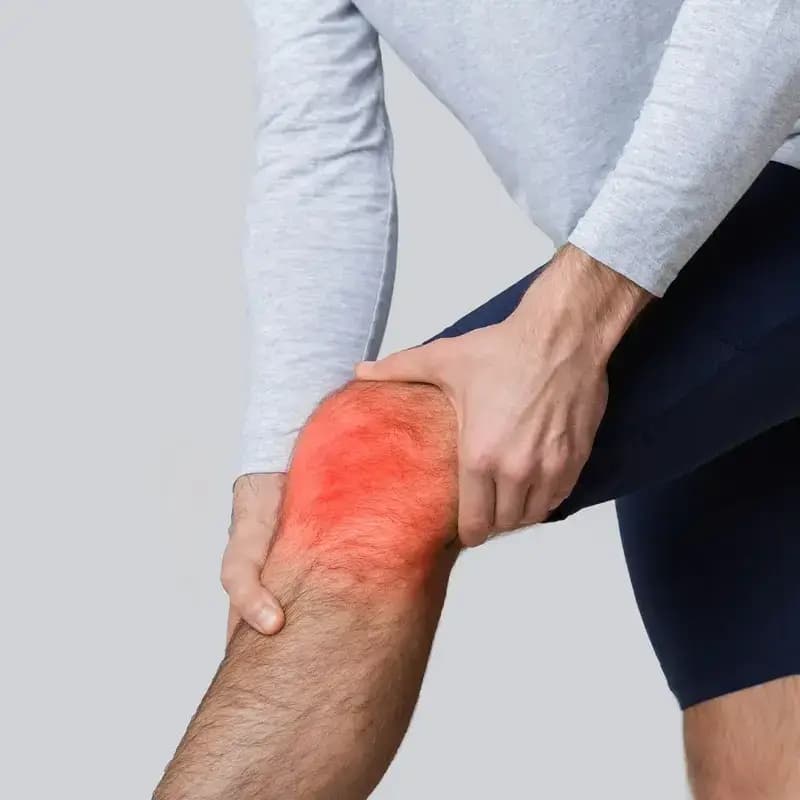
Burning pain in knee can be debilitating, impacting daily activities and quality of life. It's essential to understand the underlying causes and effective management strategies to alleviate discomfort and improve knee health.
Causes of Burning Pain in Knee
Burning pain in the knee can arise from various factors, such as inflammation, nerve compression, muscle fatigue, peripheral neuropathy, and injuries. Inflammation of the knee joint, often due to conditions like arthritis or injury, can lead to burning sensations. Pressure on nerves around the knee, such as the sciatic nerve or the peroneal nerve, can also cause burning pain. Overuse or strain of the muscles around the knee may result in burning sensations. Additionally, conditions affecting the nerves, such as diabetes, can cause peripheral neuropathy, leading to burning pain in the knee. Trauma to the knee, such as ligament tears or fractures, can also result in burning pain during the healing process.
Management Strategies for Burning Knee Pain
Effective management of burning knee pain involves addressing the underlying causes and implementing lifestyle modifications and treatment options. Here are some strategies to consider:
Resting the affected knee and applying ice packs can help reduce inflammation and alleviate burning pain.
Rest and Ice:
Over-the-counter pain relievers like ibuprofen or acetaminophen can provide temporary relief from burning knee pain. Prescription medications may be necessary for underlying conditions.
Medication:
A physical therapist can design a customized exercise program to strengthen the muscles around the knee, improve flexibility, and alleviate pain.
Physical Therapy:
Using a knee brace or supportive device can provide stability to the knee joint and reduce pain during physical activities.
Bracing:
Corticosteroid injections or hyaluronic acid injections into the knee joint can help reduce inflammation and provide pain relief.
Injections:
Acupuncture may help alleviate burning knee pain by stimulating specific points on the body to promote healing and pain relief.
Acupuncture:
Maintaining a healthy weight can reduce stress on the knees and alleviate burning pain associated with conditions like osteoarthritis.
Weight Management:
Yoga, tai chi, and massage therapy may offer relief from burning knee pain by improving flexibility, reducing muscle tension, and promoting relaxation.
Alternative Therapies:
Lifestyle Modifications for Knee Health
In addition to specific management strategies, adopting certain lifestyle modifications can support overall knee health and reduce the risk of burning pain. Engaging in low-impact exercises like swimming, cycling, or walking can strengthen the muscles around the knee and improve joint stability. Wearing supportive footwear with cushioning and arch support can minimize stress on the knees during physical activities. Consuming a balanced diet rich in fruits, vegetables, whole grains, and lean proteins can maintain a healthy weight and support joint health. Drinking an adequate amount of water daily can keep the joints lubricated and prevent dehydration-related inflammation. Maintaining good posture and using proper body mechanics when lifting heavy objects or performing physical tasks can reduce strain on the knees.
Conclusion
Burning pain in the knee can significantly impact daily life, but with proper understanding and management, relief is possible. By addressing the underlying causes, implementing effective management strategies, and adopting healthy lifestyle habits, individuals can alleviate burning knee pain and maintain an active, pain-free lifestyle. If burning knee pain persists or worsens, seeking professional medical advice is essential for proper diagnosis and treatment.












Comments (0)