
Introduction
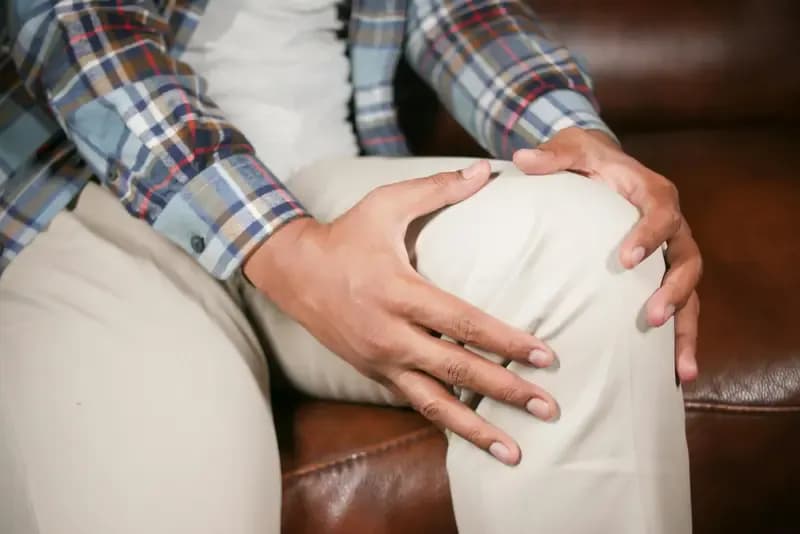
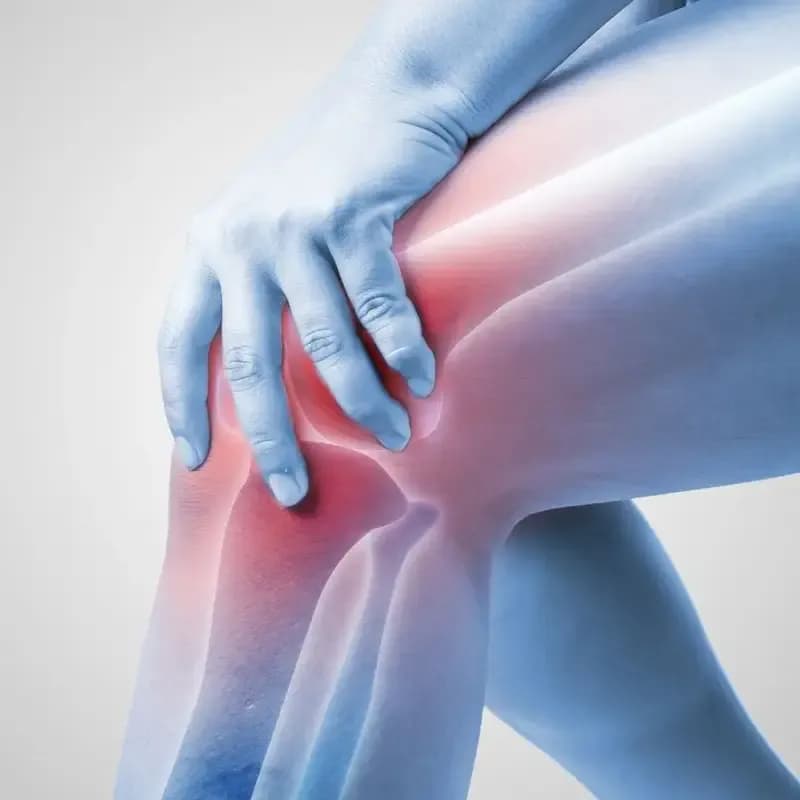
Acupressure is a traditional Chinese medicine technique that can provide significant relief from knee pain. By applying pressure to specific points on the body, acupressure helps to alleviate pain and promote healing. This article explores various acupressure points for knee pain relief and offers guidance on how to use this technique effectively.
Understanding Acupressure
Acupressure involves applying pressure to specific points on the body, known as acupoints, to stimulate the body's natural healing processes. These acupoints are located along meridians, which are pathways that carry energy, or 'Qi,' throughout the body. When these pathways are blocked or imbalanced, it can lead to pain and illness. By stimulating the acupoints, acupressure helps to restore balance and promote the flow of energy, providing relief from pain and discomfort.
How Acupressure Relieves Knee Pain
Knee pain can result from various causes, including arthritis, injuries, and overuse. Acupressure targets specific points that are believed to be connected to the knee and surrounding areas. By applying pressure to these points, acupressure can help reduce inflammation, improve circulation, and relieve pain. Additionally, acupressure promotes the release of endorphins, the body's natural painkillers, which further helps to alleviate discomfort.
Effective Acupressure Points for Knee Pain
Several acupressure points can be targeted to relieve knee pain. Here are some of the most effective ones:
Xuehai, also known as Spleen 10, is located on the inner thigh, about three finger-widths above the knee. Applying pressure to this point helps to reduce inflammation and improve blood circulation, providing relief from knee pain. To stimulate Xuehai, use your thumb to apply firm pressure to the point for about 1-2 minutes.
Xuehai (SP10)
Yanglingquan, or Gallbladder 34, is located on the outer lower leg, just below the knee. This point is particularly effective for relieving pain and stiffness in the knee and surrounding areas. To stimulate Yanglingquan, apply firm pressure using your thumb or fingers for about 1-2 minutes.
Yanglingquan (GB34)
Zusanli, or Stomach 36, is found on the lower leg, about four finger-widths below the kneecap and one finger-width to the side of the shinbone. This point helps to strengthen the entire body and relieve pain in the knees. To stimulate Zusanli, use your thumb to apply firm pressure to the point for about 1-2 minutes.
Zusanli (ST36)
Dubi, also known as Stomach 35, is located directly below the kneecap, in the indentation on either side of the patellar tendon. Applying pressure to this point helps to relieve knee pain and stiffness. To stimulate Dubi, apply firm pressure using your thumb or fingers for about 1-2 minutes.
Dubi (ST35)
Weizhong, or Bladder 40, is located at the back of the knee, in the center of the crease. This point is effective for relieving pain and stiffness in the knees and lower back. To stimulate Weizhong, apply firm pressure using your thumb or fingers for about 1-2 minutes.
Weizhong (BL40)
How to Perform Acupressure
Performing acupressure is relatively simple and can be done at home. Here are some basic steps to follow:
Identify the acupressure points mentioned above that are most relevant to your knee pain. You can use diagrams or consult a professional to ensure you are targeting the correct points.
Find the Right Acupoints
Using your thumb or fingers, apply firm, steady pressure to the acupoint. Hold the pressure for about 1-2 minutes, gradually increasing the intensity if comfortable. The pressure should be strong enough to feel a slight discomfort but not painful.
Apply Pressure
While applying pressure, take slow, deep breaths to help relax your body and enhance the effectiveness of the acupressure. Focus on your breathing and visualize the pain and tension melting away.
Breathe Deeply
For best results, perform acupressure several times a day, especially when experiencing knee pain. Consistency is key to achieving long-term relief.
Repeat Regularly
Additional Tips for Knee Pain Relief
In addition to acupressure, there are other methods to help manage and relieve knee pain:
Engage in low-impact exercises such as swimming, cycling, or yoga to strengthen the muscles around the knee and improve flexibility. Avoid high-impact activities that can worsen the pain.
Exercise
Maintaining a healthy weight can reduce the stress on your knees. If necessary, work with a healthcare provider to develop a weight loss plan.
Weight Management
Applying ice packs or heat pads to the knee can help reduce inflammation and alleviate pain. Use ice for acute pain and heat for chronic pain.
Use Ice or Heat
Ensure you give your knees enough rest and avoid overexertion. If you experience severe pain, consider taking a break from activities that put strain on your knees.
Rest
Conclusion
Acupressure can offer meaningful relief for mild-to-moderate knee pain, particularly when combined with weight management, low-impact exercise, and adequate rest. It is not a replacement for medical evaluation when knee pain is severe, persistent for more than 2-3 weeks, comes with swelling or restricted movement, or follows an injury, those situations call for an orthopaedist or physiotherapist. Used as a complement to standard care rather than an alternative, acupressure is a low-cost, no-side-effect tool worth having in the daily-management toolkit for chronic knee pain.
About Zocvi
Zocvi connects patients with verified doctors and evidence-based health guidance. Visit zocvi.com or reach us on WhatsApp at +91-92724-57637.






Comments (0)