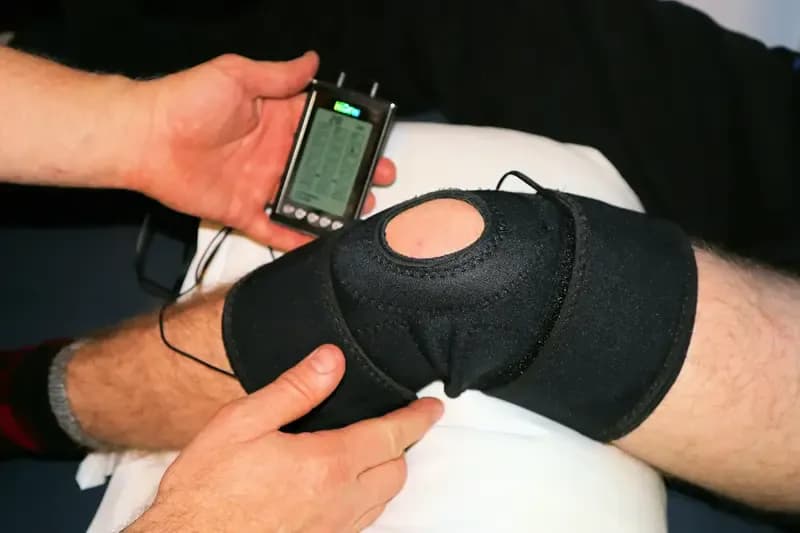
Effective Ways to Treat Burning Knee Pain

Effective Ways to Treat Burning Knee Pain

Overview

Burning knee pain can be a debilitating condition that significantly affects mobility and quality of life.

Introduction

Burning knee pain can be a debilitating condition that significantly affects mobility and quality of life. To effectively treat this discomfort, it's crucial to understand its underlying causes. One common cause of burning knee pain is inflammation, which can result from conditions such as arthritis, tendinitis, or bursitis. Additionally, injuries to the knee, such as strains or tears in the ligaments or meniscus, can also lead to burning sensations. Furthermore, overuse or repetitive stress on the knee joint can cause irritation and inflammation, resulting in persistent pain.

Over-the-Counter Medications and Pain Relief

For immediate relief from burning knee pain, over-the-counter medications can be highly effective. Nonsteroidal anti-inflammatory drugs (NSAIDs) such as ibuprofen or naproxen can help reduce inflammation and alleviate discomfort. These medications can be particularly useful for managing pain associated with conditions like arthritis or bursitis. However, it's essential to use these medications as directed and consult with a healthcare professional if the pain persists or worsens.

Rest, Ice, Compression, and Elevation (RICE)

Rest, ice, compression, and elevation (RICE) is a common approach to managing knee pain and promoting healing. Resting the affected knee allows tissues to recover and reduces strain on the joint. Applying ice packs to the knee can help reduce inflammation and numb the area, providing temporary relief from burning sensations. Compression bandages can help stabilize the knee joint and minimize swelling, while elevation helps reduce fluid buildup and improve circulation.

Physical Therapy and Exercise

Physical therapy plays a crucial role in treating burning knee pain by strengthening the muscles around the knee joint, improving flexibility, and promoting proper alignment. A physical therapist can design a personalized exercise program tailored to your specific needs and abilities. These exercises may include stretches, strengthening exercises, and low-impact activities to improve range of motion and reduce pain. Additionally, maintaining a regular exercise routine can help prevent future knee injuries and alleviate chronic pain.

Heat Therapy and Alternative Treatments

In addition to ice therapy, heat therapy can also provide relief from burning knee pain by promoting blood flow and relaxing muscles. Heat packs or warm compresses can be applied to the affected knee to soothe discomfort and stiffness. Furthermore, alternative treatments such as acupuncture, chiropractic care, or massage therapy may offer additional benefits for managing knee pain. These holistic approaches can help reduce tension, improve circulation, and enhance overall well-being.

Lifestyle Modifications and Self-Care Practices

Making lifestyle modifications and practicing self-care can also contribute to managing burning knee pain effectively. Maintaining a healthy weight reduces the stress on the knee joint and lowers the risk of developing chronic conditions such as arthritis. Incorporating low-impact exercises such as swimming or cycling can help strengthen the muscles surrounding the knee without causing further strain. Additionally, wearing supportive footwear and using orthotic inserts can provide stability and cushioning for the knees during daily activities.

Seeking Professional Medical Advice

If burning knee pain persists despite home remedies and self-care measures, it's essential to seek professional medical advice. A healthcare provider can conduct a thorough evaluation to determine the underlying cause of the pain and recommend appropriate treatment options. In some cases, advanced imaging tests such as X-rays or MRI scans may be necessary to diagnose structural issues within the knee joint. Based on the diagnosis, treatment options may include corticosteroid injections, orthopedic interventions, or surgical procedures to address the underlying cause of the pain effectively.

Conclusion

Burning knee pain can significantly impact daily activities and diminish quality of life, but with the right approach, it can be effectively managed. By understanding the underlying causes of knee pain and implementing a combination of treatments, including medication, physical therapy, lifestyle modifications, and professional medical guidance, individuals can find relief and regain mobility. Remember to consult with a healthcare professional for personalized advice and recommendations tailored to your specific needs. With dedication and persistence, it's possible to overcome burning knee pain and enjoy an active, pain-free lifestyle.


Frequently Asked Questions

What conditions cause burning knee pain?

Common causes include: patellofemoral pain syndrome ('runner's knee') — anterior knee burning worsened by stairs, squatting or prolonged sitting, common in young adults and weekend athletes; prepatellar bursitis ('housemaid's knee') — burning and swelling over the kneecap from repeated kneeling, common in people doing floor cleaning, cooking on low platforms or long kneeling for religious rituals; gout — sudden severe burning with red hot swollen joint (typically the big toe first, then knee), more common in men over 40 with high beer, red meat or high-purine diets — check serum uric acid; early osteoarthritis — burning with mild swelling, worse with activity, common over 45; meniscal irritation — burning with clicking and occasional locking after a twist injury; iliotibial (IT) band syndrome — lateral knee burning in runners and cyclists; and referred pain from sciatica or hip pathology. Diagnosis needs an orthopaedic exam, X-ray, and uric acid test where appropriate. Same-day emergency if the knee is hot, red and swollen with fever — septic arthritis needs joint aspiration and IV antibiotics urgently.

How is burning knee pain treated — what actually works?

Treatment depends on the cause. Patellofemoral pain: quadriceps strengthening (VMO focus), hip abductor strengthening, taping, reduce running — typical recovery 4-8 weeks with physiotherapy. Prepatellar bursitis: stop kneeling, ice packs, short course of oral NSAIDs, occasional aspiration if large — wear knee pads when kneeling is unavoidable. Acute gout: colchicine 0.5 mg BD-TID, or naproxen 500 mg BD, or indomethacin 25 mg TID for 5-7 days; long-term allopurinol 100-300 mg daily to keep serum uric acid under 6 mg/dL; reduce red meat, beer, and high-fructose drinks. Osteoarthritis follows the standard OA ladder — weight loss, physiotherapy, topical diclofenac, injections. IT band syndrome: foam roller work, hip strengthening, and cutting mileage temporarily. Avoid daily oral NSAIDs beyond 2 weeks without medical supervision (kidney, stomach and cardiovascular side effects). A typical physiotherapy course is 8-12 sessions.

When should burning knee pain trigger emergency care?

Immediate emergency (within hours) if: hot, red, swollen knee with fever above 100.4°F — septic arthritis until proven otherwise, needs same-day joint aspiration and IV antibiotics; sudden severe pain after injury with inability to bear weight — suspected fracture or ligament rupture; locked knee that won't straighten fully — meniscus tear until proven otherwise; signs of DVT (one-sided calf swelling, warmth, tenderness, especially after long travel or immobilisation) — needs D-dimer and Doppler urgently; neurological symptoms like foot numbness, weakness or drop foot suggesting nerve involvement; or fever with rash and multiple joint pain — could be reactive arthritis, viral arthritis (chikungunya, dengue), or serious systemic infection. See a doctor within 1-2 days for persistent burning pain more than a week, morning stiffness lasting over 30 minutes, weight loss with joint pain, or new pain in a joint with prior surgery or prosthesis.

Can burning knee pain be caused by uric acid — how do I check?

Yes, gout is a common cause of burning knee pain, especially in men over 40. It's caused by urate crystal deposition in joints when serum uric acid stays elevated (above ~7 mg/dL) for prolonged periods. Typical presentation: sudden onset (often at night), burning severe pain, red hot swollen joint, exquisite tenderness (even a bedsheet touch hurts). The big toe MTP joint is usually the first attack; ankle, knee, and other joints get affected in subsequent attacks. Diagnosis is by serum uric acid test — but don't test during an acute attack (falsely normal in 30-50% of cases; wait 2-3 weeks). Joint aspiration confirming urate crystals under polarising microscopy is the definitive test, used in unclear cases. Long-term management: allopurinol 100-300 mg daily (started during an attack-free period); dietary changes — reduce red meat, organ meat, seafood, beer especially, and high-fructose drinks; increase coffee, cherries, low-fat dairy and water. Beer is the worst alcohol for gout; whisky is moderate; wine is least problematic — but ideally minimise all. Genetic predisposition is strong; screen uric acid at 40+ if you have a family history of gout.

Questions About This Article

Have a question? Ask the author directly.

Have a question about this article?

Ask Zocvi Editorial directly. Your question may help others with similar concerns.

Q:1 answer
Q:1 answer
Q:1 answer
Q:1 answer

Comments (0)

Found this helpful? Share it!

LinkedInWhatsApp

More from Zocvi Editorial

Other Articles You May Like

Dr. Vishal Patil

Orthopaedic Surgeon • Pune

55 views

Still Experiencing Pain After Knee Replacement?

Still facing pain after knee replacement?

Dr Vishal Patil on Instagram: "Still facing pain after knee replacement? Revision knee surgery can correct the problem and help you walk better with improved stability.📍 DR Vishal Patil's, Shree Orthopedic and Womencare Clinic, flat 205, Gaikwad villa ( 2 nd floor lift available, parallel parking on both adjoining main roads ), opposite Punjab National Bank, above Ishwar Medical, Seasons Road, Sanewadi Aundh Pune. 📞 +919405431728#OrthopedicCare #Orthopedics #OrthoDoctor #BoneHealth #JointHealth #Mobility #PainRelief #PainFreeLife #HealthyLifestyle #StayActive #FitnessTips #HealthAwareness #PreventiveCare #Wellness #Physiotherapy #Rehabilitation #KneePain #BackPain #NeckPain #PuneDoctor"

Related Topics

Find a Doctor for Arthritis & Joint Health

Verified specialists across India

Dr. Sachin Sonawane

Book Online

Orthopaedic Surgeon

21 yrs

Pune

Well Care Clinic
Pune, Pune, Maharashtra, 411057
₹800 consultation
EmailWhatsApp

Dr. Vinayak Ghanate

Orthopaedic Surgeon

18 yrs

Pune

Manipal Hospitals
Pune, Pune, Maharashtra, 411045
₹700 consultation
Email

Dr. Vishal Patil

Orthopaedic Surgeon

Pune

Dr. Visal Patil clinic
Madhuban Society, Sangvi, Pune, Maharashtra, 411027
Fee on request
EmailWhatsApp

Dr. Pranav S Patel

Orthopaedic Surgeon

17 yrs

Vadodara

Sankalp Hospital
Laxmipura, Vadodara, Gujarat, 390016
₹500 consultation