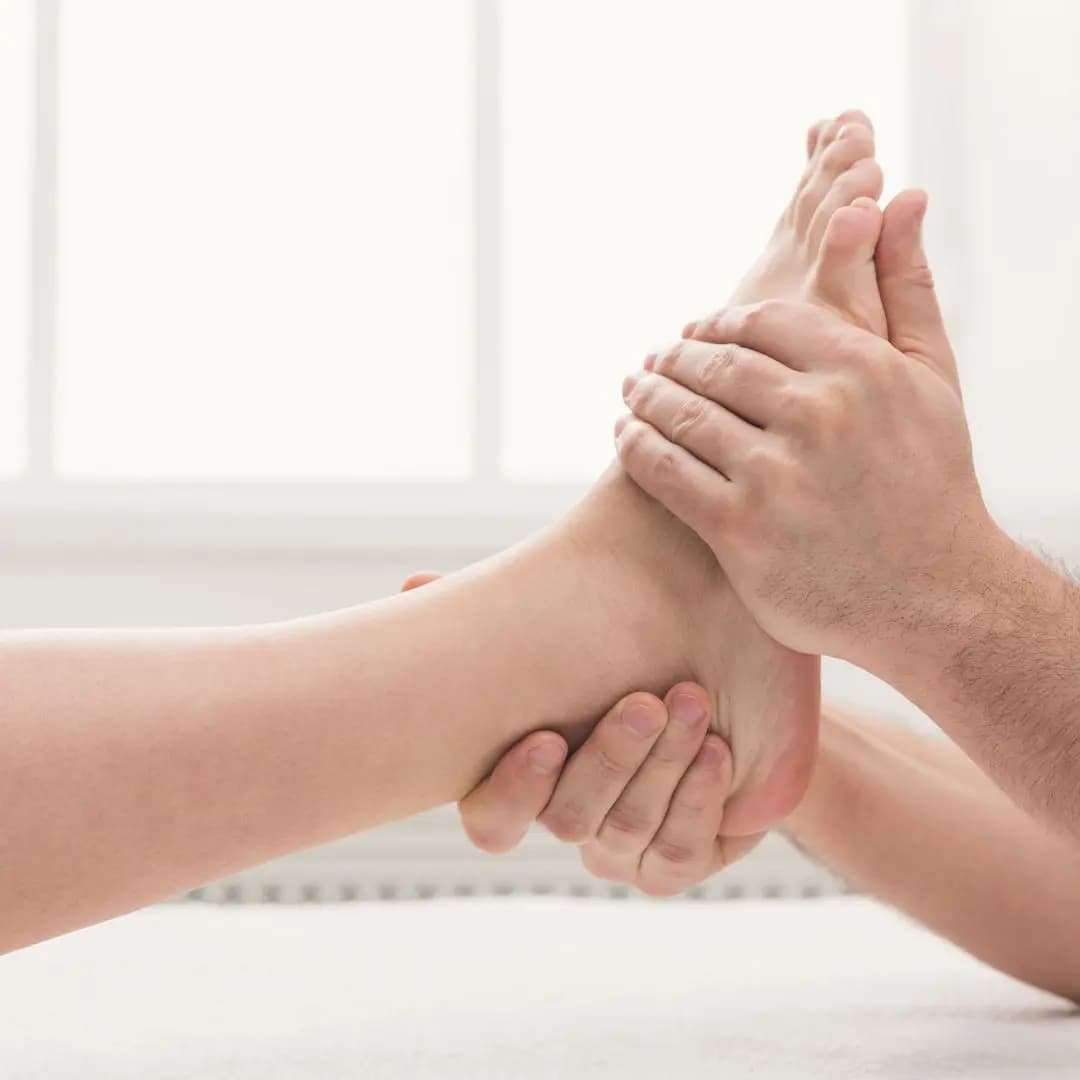
Acupressure Points for Knee Pain – Effective Relief

Acupressure Points for Knee Pain – Effective Relief

Overview

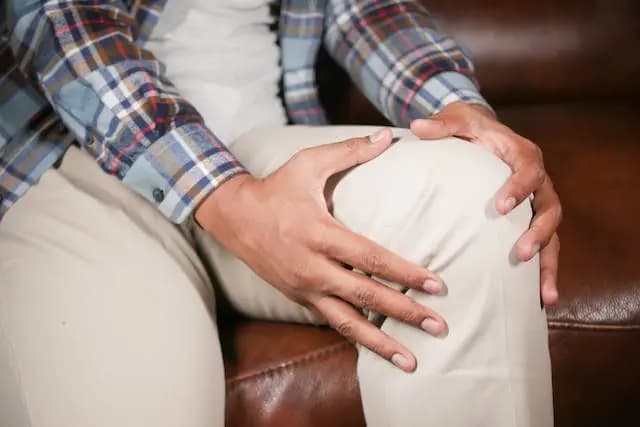
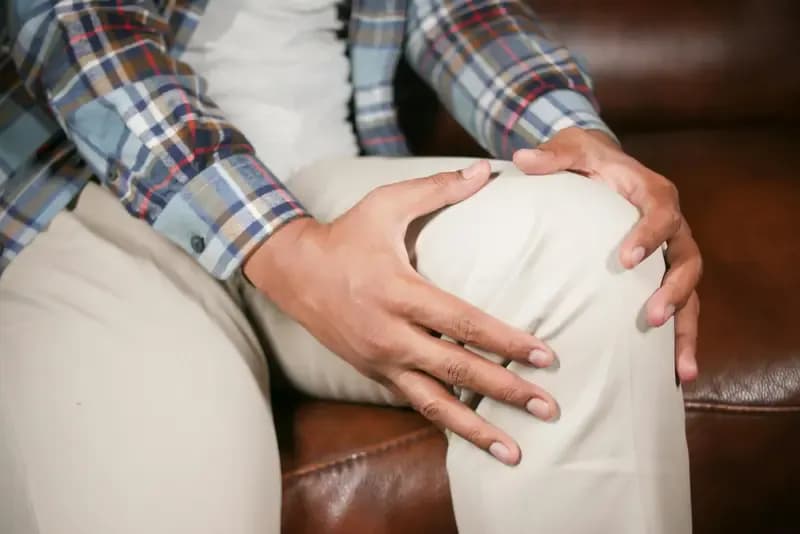
Knee pain can significantly impact daily life and mobility, making it essential to explore natural remedies like acupressure.

Introduction

Knee pain can significantly impact daily life and mobility, making it essential to explore natural remedies like acupressure. Acupressure is a traditional Chinese medicine technique that involves applying pressure to specific points on the body to relieve pain and promote healing.

Causes of Knee Pain

Several factors can contribute to knee pain, including injuries, overuse, arthritis, and more. Understanding the root cause of knee pain is crucial for effective treatment and management.

Introduction to Acupressure

Acupressure works by stimulating the body's natural healing mechanisms and promoting the flow of energy, or qi, through meridian pathways. By applying pressure to specific points on the body, acupressure can help alleviate pain and restore balance.

Acupressure Points for Knee Pain Relief

Located on the lower leg, about four finger-widths below the kneecap, ST36 is known as the Leg Three Miles point and is renowned for its ability to relieve knee pain and strengthen the body's energy.

ST36:

Found on the inner side of the knee, SP10, or Spleen 10, is a powerful acupressure point for reducing knee pain, swelling, and inflammation.

SP10:

Located on the outer side of the leg, just below the knee, GB34 can help alleviate knee pain, stiffness, and discomfort associated with conditions like arthritis and tendonitis.

GB34:

Situated behind the knee, BL40 is known as the Weizhong point and is effective for relieving knee pain, sciatica, and lower back pain.

BL40:

Located on the outer side of the elbow, LI11 is an essential acupressure point for treating knee pain, arthritis, and inflammation throughout the body.

LI11:

How to Apply Acupressure

To apply acupressure to the knee pain relief points mentioned above, use your thumb or index finger to apply steady pressure to each point for 1-2 minutes. You can also use circular motions or gentle massage techniques to enhance the effectiveness of acupressure.

Additional Tips for Knee Pain Relief

In addition to acupressure, incorporating other natural remedies and lifestyle changes can further support knee pain relief. Maintaining a healthy weight, staying active, practicing good posture, and using supportive footwear are essential for preventing and managing knee pain.

Consultation with a Healthcare Professional

While acupressure can provide significant relief for knee pain, it's essential to consult with a healthcare professional if you experience severe or persistent pain. A healthcare provider can offer personalized treatment recommendations and ensure proper diagnosis and management of underlying conditions.

Conclusion

Acupressure is a safe and effective complementary therapy for relieving knee pain and promoting overall well-being. By understanding the acupressure points for knee pain relief and incorporating them into your self-care routine, you can experience natural and lasting relief from knee discomfort.
Frequently Asked Questions

Which acupressure points genuinely help knee pain — how do I locate them?

Traditional acupressure points with some evidence for knee pain: (1) ST-35 (Dubi) — hollow just below kneecap, lateral side; press with thumb 30-60 seconds, 3-5x daily; (2) SP-9 (Yinlingquan) — depression below inner side of knee, at top of tibia; helps knee swelling and stiffness; (3) GB-34 (Yanglingquan) — depression below outer side of knee, front-lower to fibula head; helps lateral knee pain; (4) ST-36 (Zusanli) — 4 fingers below outer knee, one finger lateral to tibia; overall wellness point, also helps digestion; (5) Xiyan (‘eye of the knee’) — the two hollows below kneecap, medial and lateral; (6) LI-4 (Hegu) — web between thumb and index finger; general pain relief point, avoid in pregnancy. Technique: apply firm pressure with thumb or finger for 30-60 seconds per point; some pressure discomfort okay but no sharp pain; do 3-5x daily. Evidence: some meta-analyses show modest short-term pain reduction (10-20%) for knee OA; benefit likely from placebo, gate-control neural mechanisms, and local blood flow — not proven to reverse arthritis. Complements exercise and other treatments; does not replace them.

Should I see a professional acupuncturist — and how do I find one?

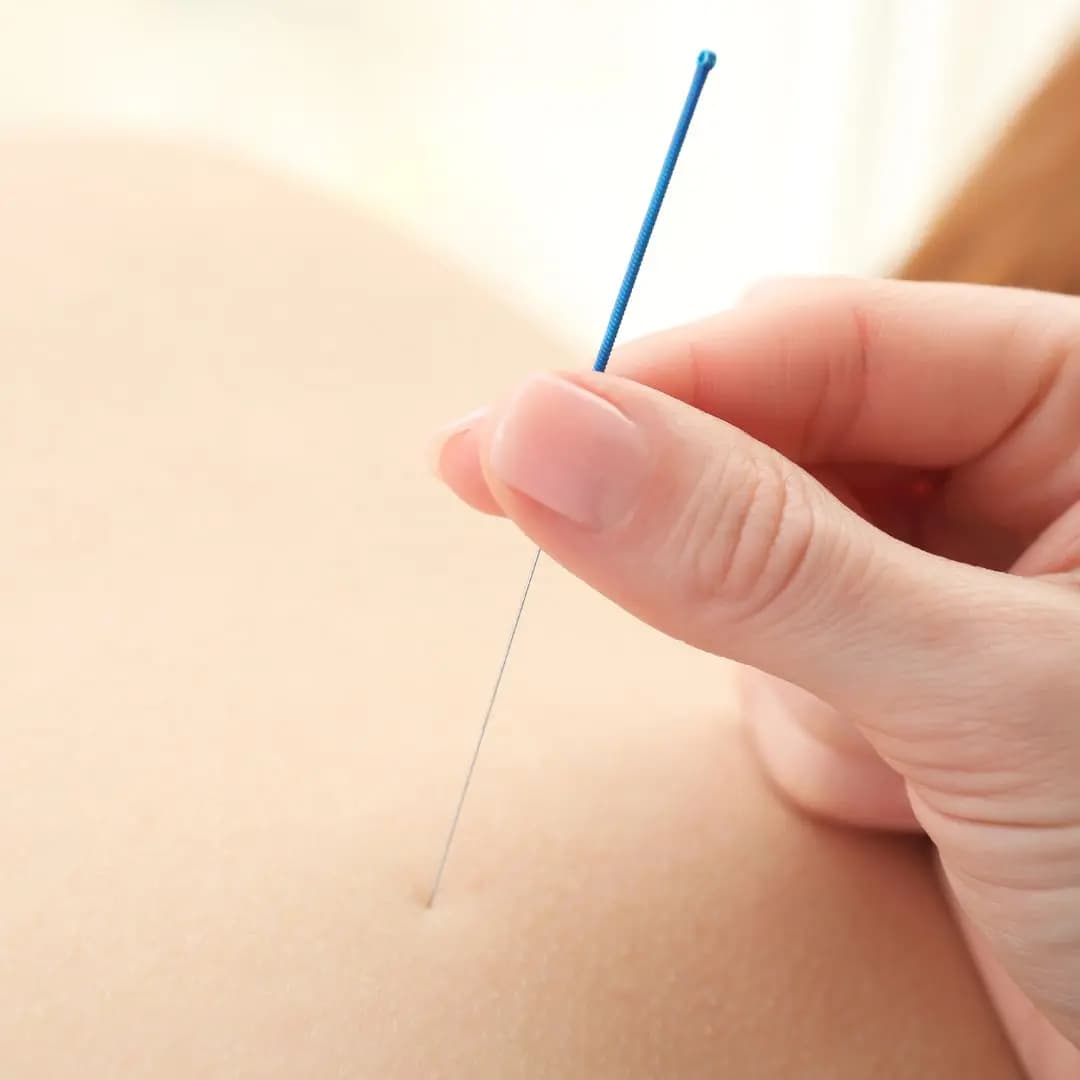
Professional acupuncture may give better results than self-acupressure for moderate-to-severe pain because trained practitioners can access deeper meridian points using thin sterile needles. For knee osteoarthritis, acupuncture is a recognised complementary therapy — WHO and NIH both acknowledge modest benefit. Finding a qualified practitioner: look for training from recognised institutions or established medical-college acupuncture programmes; verify needle sterility (single-use disposable needles, ideally with certificate); a typical course is 10-15 sessions for chronic knee pain, and some corporate hospitals now offer acupuncture through their physiotherapy departments. Avoid unregulated 'alternative medicine' clinics using reusable needles — real infection risk including hepatitis B, C, and HIV. Insurance rarely covers acupuncture, though some AYUSH-inclusive policies now do. Realistic expectations: acupuncture reduces knee OA pain moderately (20-30% reduction), similar to NSAIDs but without stomach or kidney side effects; benefit typically lasts 3-6 months after course completion. Combine with exercise and weight loss for best results. Do NOT rely on acupuncture alone for red-flag symptoms (see other knee-pain FAQs).

Can acupressure replace painkillers or knee surgery for arthritis?

No — acupressure is a complementary therapy, not a replacement for evidence-based arthritis treatment. Realistic role: (1) Adjunct to standard care — combine with weight loss, physiotherapy, topical diclofenac, occasional oral NSAIDs; may reduce reliance on daily painkillers; (2) Useful for mild-moderate knee OA symptoms; may delay need for medications; (3) Bridging therapy — while waiting for physiotherapy appointment or during medication side effects; (4) Adjunct for chronic pain — helps some patients cope with pain and reduce medication doses. What acupressure CANNOT do: (1) Reverse cartilage damage or bone erosion; (2) Cure rheumatoid arthritis or replace DMARDs; (3) Prevent need for knee replacement in advanced OA; (4) Treat septic arthritis, gout attack, or acute injury; (5) Substitute for surgery when structurally indicated. Warning signs when acupressure/acupuncture alone is inadequate: severe daily pain limiting activity, night pain waking you, knee locking or giving-way, inability to bear weight, fever with knee pain, morning stiffness lasting more than 30 minutes, weight loss with joint pain. Get orthopedic + rheumatologist evaluation for these — real diagnosis matters.

Questions About This Article

Have a question? Ask the author directly.

Have a question about this article?

Ask Zocvi Editorial directly. Your question may help others with similar concerns.

Q:1 answer
Q:1 answer
Q:1 answer

Comments (0)

Found this helpful? Share it!

LinkedInWhatsApp

More from Zocvi Editorial

Other Articles You May Like

Related Topics

Find a Doctor for Arthritis & Joint Health

Verified specialists across India

Dr. Sachin Sonawane

Book Online

Orthopaedic Surgeon

21 yrs

Pune

Well Care Clinic
Pune, Pune, Maharashtra, 411057
₹800 consultation
EmailWhatsApp

Dr. Vinayak Ghanate

Orthopaedic Surgeon

18 yrs

Pune

Manipal Hospitals
Pune, Pune, Maharashtra, 411045
₹700 consultation
Email

Dr. Aravindan Tharakad S

Orthopaedic Surgeon

13 yrs

Chennai

Clinic
Raja Garden, Kottivakkam, Chennai, Tamil Nadu, 600041
₹600 consultation
EmailWhatsApp

Dr. Sumedh Magar

Orthopaedic Surgeon

6 yrs

Pune

I-Sport Medical Centre
Balewadi, Pune, Maharashtra, 411045
Fee on request
EmailWhatsApp