

Introduction
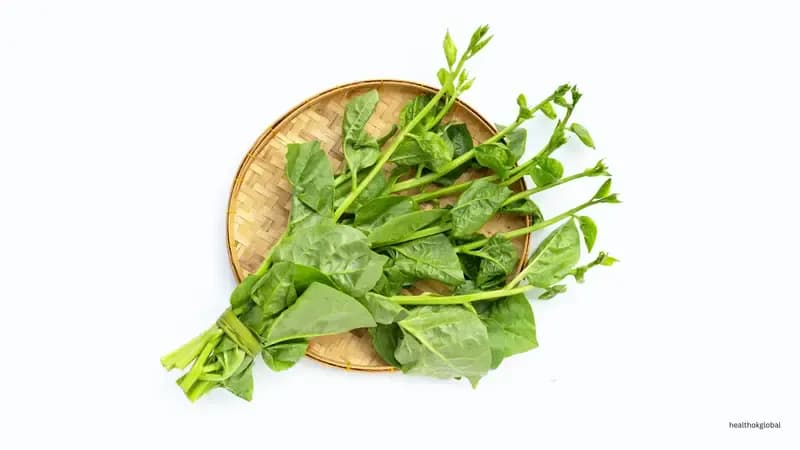
Spinach juice is a nutrient-dense beverage that offers numerous health benefits. Rich in vitamins, minerals, and antioxidants, spinach juice is a powerful addition to any diet. This green elixir not only helps to boost your nutrient intake but also supports various bodily functions. In this blog, we explore the health benefits of spinach juice and how you can easily incorporate it into your daily routine.
Nutritional Profile of Spinach Juice
Spinach juice is low in calories but high in essential nutrients. Its nutritional profile includes:
Spinach juice is rich in vitamins A, C, and K, which are crucial for maintaining healthy vision, immune function, and blood clotting.
Vitamins
This beverage contains important minerals such as iron, magnesium, and potassium, which support bone health, muscle function, and electrolyte balance.
Minerals
Spinach juice provides dietary fiber, which aids in digestion and helps regulate blood sugar levels.
Fiber
The juice is packed with antioxidants, including beta-carotene and lutein, which help protect the body from oxidative stress and reduce the risk of chronic diseases.
Antioxidants
Health Benefits of Spinach Juice
Incorporating spinach juice into your diet can provide several health benefits, including:
Rich in vitamins A and C, spinach juice can help boost the immune system, protecting the body against infections and diseases.
Boosts Immunity
The high vitamin A content in spinach juice supports healthy vision and reduces the risk of age-related macular degeneration.
Supports Eye Health
The antioxidants and vitamins in spinach juice can help maintain healthy skin by reducing inflammation and protecting against UV damage.
Enhances Skin Health
The fiber content in spinach juice promotes healthy digestion by preventing constipation and promoting regular bowel movements.
Improves Digestion
Calcium and magnesium in spinach juice are essential for maintaining strong bones and preventing osteoporosis.
Supports Bone Health
Potassium in spinach juice helps regulate blood pressure by balancing the effects of sodium in the body.
Regulates Blood Pressure
The low-calorie content and high fiber in spinach juice make it an ideal beverage for weight management, promoting satiety and reducing overall calorie intake.
Aids in Weight Management
The antioxidants and chlorophyll in spinach juice help detoxify the body by eliminating toxins and promoting liver health.
Detoxifies the Body
How to Make Spinach Juice
Making spinach juice at home is simple and can be done in a few easy steps:
Fresh spinach leaves, water, and optional ingredients such as lemon, apple, or cucumber for added flavor.
Ingredients
1. Wash the spinach leaves thoroughly to remove any dirt or pesticides. 2. Add the spinach leaves to a blender along with a cup of water. 3. Blend until smooth. 4. Strain the mixture using a fine mesh sieve or cheesecloth to remove the pulp. 5. Add optional ingredients such as lemon juice, apple, or cucumber to enhance the flavor. 6. Serve the juice immediately or store it in the refrigerator for up to 24 hours.
Instructions
Tips for Incorporating Spinach Juice into Your Diet
Here are some tips to help you incorporate spinach juice into your daily routine:
Drink a glass of spinach juice in the morning to kickstart your day with a nutrient boost.
Start Your Day with Spinach Juice
Mix spinach juice with other fruits and vegetables in smoothies for a delicious and nutritious drink.
Add to Smoothies
Use spinach juice as a base for vegetable soups to enhance their nutritional value.
Use as a Base for Soups
Enjoy a glass of spinach juice with your meals to aid digestion and boost nutrient intake.
Pair with Meals
Precautions and Considerations
While spinach juice is highly beneficial, there are some precautions to consider:
Consume spinach juice in moderation, as excessive intake can lead to digestive issues or kidney stones due to its high oxalate content.
Moderation
Check for any potential allergies before adding spinach juice to your diet.
Allergies
Ensure that the spinach used is fresh and sourced from clean, uncontaminated environments.
Source Quality
Conclusion
Spinach juice is a nutrient-dense beverage that offers numerous health benefits. By incorporating this green elixir into your diet, you can boost immunity, support eye health, enhance skin health, and more. Remember to consume spinach juice in moderation and ensure it is made from fresh, clean spinach. Embrace the health benefits of spinach juice and enhance your overall well-being.








Comments (0)