Health Benefits of Ceylon Spinach: A Nutrient-Rich Leafy Green

Health Benefits of Ceylon Spinach: A Nutrient-Rich Leafy Green

Overview

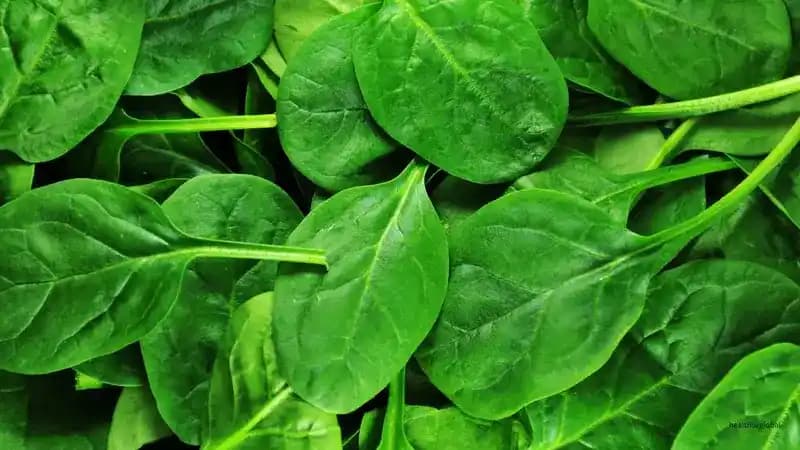
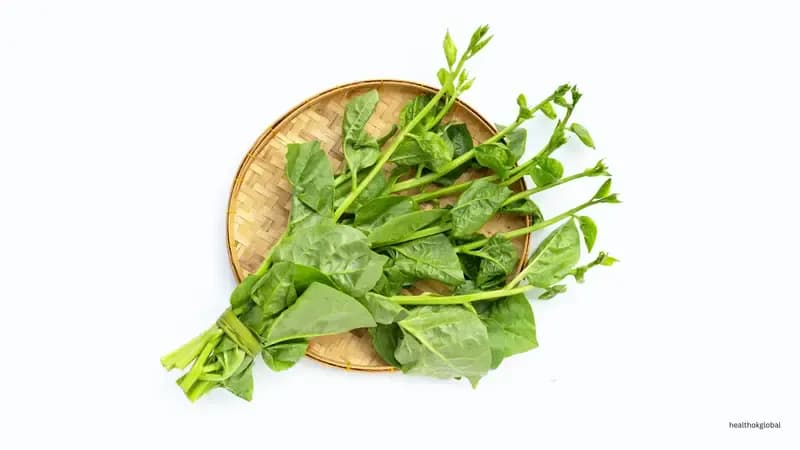
Ceylon spinach, also known as Basella alba, is a nutrient-rich leafy green offering numerous health benefits.

Introduction

Ceylon spinach, also known as Basella alba, is a nutrient-rich leafy green offering numerous health benefits. This leafy green is widely consumed in tropical regions and is known for its high nutrient content and versatility in cooking. In this blog, we explore the various health benefits of Ceylon spinach and how you can incorporate it into your diet.

Nutritional Profile of Ceylon Spinach

Ceylon spinach is low in calories but high in essential nutrients. Its nutritional profile includes:
Ceylon spinach is rich in vitamins A, C, and K, which are crucial for maintaining healthy vision, immune function, and blood clotting.

Vitamins

This leafy green contains important minerals such as calcium, magnesium, and potassium, which support bone health, muscle function, and electrolyte balance.

Minerals

Ceylon spinach provides dietary fiber, which aids in digestion and helps regulate blood sugar levels.

Fiber

The plant is packed with antioxidants, including beta-carotene and lutein, which help protect the body from oxidative stress and reduce the risk of chronic diseases.

Antioxidants

Health Benefits of Ceylon Spinach

Incorporating Ceylon spinach into your diet can provide several health benefits, including:
Rich in vitamins A and C, Ceylon spinach can help boost the immune system, protecting the body against infections and diseases.

Boosts Immunity

The high vitamin A content in Ceylon spinach supports healthy vision and reduces the risk of age-related macular degeneration.

Supports Eye Health

The antioxidants and vitamins in Ceylon spinach can help maintain healthy skin by reducing inflammation and protecting against UV damage.

Enhances Skin Health

The fiber content in Ceylon spinach promotes healthy digestion by preventing constipation and promoting regular bowel movements.

Improves Digestion

Calcium and magnesium in Ceylon spinach are essential for maintaining strong bones and preventing osteoporosis.

Supports Bone Health

Potassium in Ceylon spinach helps regulate blood pressure by balancing the effects of sodium in the body.

Regulates Blood Pressure

The low-calorie content and high fiber in Ceylon spinach make it an ideal addition to a weight management diet, promoting satiety and reducing overall calorie intake.

Aids in Weight Management

The antioxidants and chlorophyll in Ceylon spinach help detoxify the body by eliminating toxins and promoting liver health.

Detoxifies the Body

How to Use Ceylon Spinach

Ceylon spinach can be used in various ways to enhance your diet. Here are some suggestions:
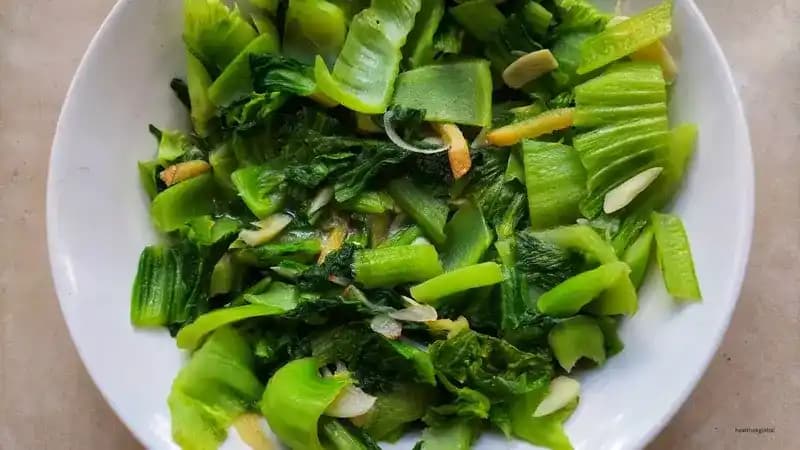
Add Ceylon spinach to your stir-fries for a nutritious and flavorful addition.

Stir-Fries

Incorporate fresh Ceylon spinach into your salads for added crunch and nutrition.

Salads

Use Ceylon spinach in soups to enhance their nutritional value and flavor.

Soups

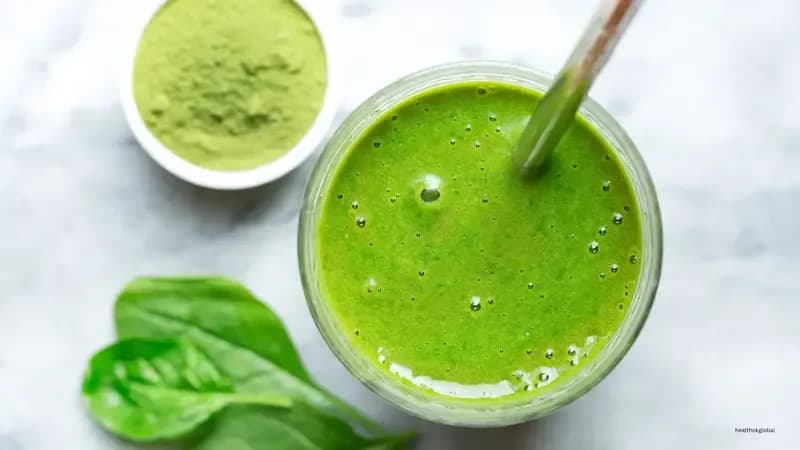
Blend Ceylon spinach into your smoothies for an extra boost of vitamins and minerals.

Smoothies

Add Ceylon spinach to curries for a nutritious and tasty addition to your meals.

Curries

Precautions and Considerations

While Ceylon spinach is highly beneficial, there are some precautions to consider:
Ensure that the Ceylon spinach you consume is sourced from clean, uncontaminated environments to avoid any potential health risks.

Source Quality

Consume Ceylon spinach in moderation, as excessive intake can lead to digestive issues.

Moderation

Check for any potential allergies before adding Ceylon spinach to your diet.

Allergies

Conclusion

Ceylon spinach is a nutrient-rich leafy green that offers numerous health benefits. By incorporating this versatile plant into your diet, you can boost immunity, support eye health, enhance skin health, and more. Remember to source Ceylon spinach from clean environments and consume it in moderation to enjoy its full range of benefits. Embrace the health benefits of Ceylon spinach and enhance your overall well-being.

Frequently Asked Questions

What exactly is Ceylon spinach — is it the same as Malabar spinach or poi saag?

Yes — Ceylon spinach, Malabar spinach, poi saag, Indian spinach, and vine spinach are all the same plant: Basella alba (white-stemmed variety) or Basella rubra (red-stemmed variety). The many names reflect its widespread traditional use across different Indian regions and Asian countries. In India: 'poi saag' in West Bengal and Odisha; 'pasalai keerai' (occasionally used) in parts of South India; 'malabar spinach' in common English usage; 'Ceylon spinach' in Sri Lankan and some South Indian culinary traditions. The plant is NOT related to regular spinach (Spinacia oleracea/palak) — it is a succulent vine from the Basellaceae family, while palak is from Amaranthaceae. Key differences from palak: the leaves are thicker and more mucilaginous (slimy when cooked — similar to okra in texture); it is a warm-season perennial vine, not a cold-season annual like palak; it is far more heat-tolerant than palak (grows well in Indian summers when palak wilts); the stems are edible and nutritious. Nutritional profile per 100g raw: Calcium: 109mg — higher than palak (99mg), excellent for bone health and pregnancy. Iron: 1.2mg — lower than palak (2.7mg) but meaningful in context of high Vitamin C. Vitamin C: 102mg — very high, boosts non-haem iron absorption from the plant itself. Vitamin A: 400mcg RAE — comparable to palak. Folate: 140mcg — high, important for pregnancy. The mucilaginous texture is a medicinal property — the mucilage forms a gel in the gut that slows glucose absorption and feeds beneficial gut bacteria (prebiotic effect).

Is Ceylon spinach safe during pregnancy — I've heard Indian families recommend it specifically for pregnant women?

Yes — Ceylon spinach has a traditional reputation as a pregnancy-safe and pregnancy-beneficial green, and there is nutritional science to support this. Why it is recommended during pregnancy: (1) High folate: 140mcg folate per 100g raw (35% of the 400mcg daily target for pregnant women in first trimester). Neural tube defects are most preventable when folate intake is adequate in weeks 1-4 of pregnancy — before most women know they are pregnant. While folate supplementation (folic acid 400-800mcg) remains the primary recommendation, dietary folate from Basella alba is a meaningful contribution. (2) Calcium 109mg per 100g: important for fetal bone development; particularly relevant for lactose-intolerant or dairy-averse pregnant women. (3) Iron 1.2mg + Vitamin C 102mg in the same plant: the high Vitamin C content enhances absorption of its own non-haem iron — unusual self-pairing that improves effective iron delivery. (4) Mucilage: may reduce pregnancy-related constipation (a common complaint) by softening stool and acting as a gentle bulking agent. Safety considerations: (a) Oxalate content: Basella alba contains oxalic acid — though lower than palak, pregnant women at risk for kidney stones should consume in moderation (not daily in large quantities). (b) Cook before eating: raw mucilaginous leaves may cause nausea in some pregnant women; light cooking (2-3 minutes steam or stir-fry) reduces this. (c) No known teratogenic or harmful compounds at normal dietary intake. Traditional Indian validation: widely consumed by pregnant women in Bengal, Odisha, and Sri Lanka without known adverse outcomes — consistent with safe-food status. Discuss with your OB/Gyn if you have pre-existing kidney issues or are on iron or calcium supplementation.

Does Ceylon spinach have as much iron as regular palak — which should I eat if I'm anaemic?

If your primary goal is treating iron-deficiency anaemia, palak (regular spinach) is the stronger choice, but Ceylon spinach is a valuable secondary option — particularly because of its high Vitamin C content. Comparison for anaemia management per 100g raw: Iron: palak 2.7mg vs Ceylon spinach 1.2mg — palak leads 2:1. However, both are non-haem iron (plant-source), which has 2-20% bioavailability vs 15-35% for haem iron from meat. The key lever is Vitamin C, which enhances non-haem iron absorption 3-6× fold. Here, Ceylon spinach's 102mg Vitamin C per 100g (vs palak's 28mg) is a significant advantage — the plant effectively self-optimizes its own iron absorption. Practical example: 100g Ceylon spinach with 1.2mg iron + 102mg Vitamin C → absorbed iron ≈ 0.25-0.35mg (estimated). 100g palak with 2.7mg iron + 28mg Vitamin C → absorbed iron ≈ 0.22-0.28mg (estimated). The gap narrows significantly at the absorption level. Additional advantage of Ceylon spinach for anaemia: lower oxalate than palak — oxalate binds iron and inhibits absorption. Palak's high oxalate (750-800mg/100g) blunts its own iron availability; Ceylon spinach's lower oxalate allows more iron to reach the intestinal absorbers. For anaemic patients: eat BOTH greens regularly — alternate between palak, Ceylon spinach/poi saag, methi, and moringa (drumstick leaves) for variety and complementary iron contributions. Always pair with Vitamin C (lemon juice) and avoid tea/coffee for 1-2 hours before and after meals. Moderate-to-severe anaemia requires therapeutic iron supplementation prescribed by your doctor — dietary sources alone are rarely sufficient for clinical iron deficiency.

How do I cook poi saag (Ceylon spinach) in an Indian-style recipe?

Poi saag is a staple in Bengali, Odia, and some South Indian cuisines with distinct regional recipes. The mucilaginous (slightly slimy) texture is the main characteristic to manage — some people love it, others find it off-putting. Here are cooking approaches that minimize sliminess for those who dislike it or maximize it for those who want the gut-health benefit. Bengali poi saag bhaja (stir-fry — minimises sliminess): wash and roughly chop the leaves and tender stems; heat mustard oil until smoking, add panch phoron (five-spice), dry red chilli; add garlic (2-3 cloves sliced); add the chopped poi saag and stir-fry on HIGH heat for 3-4 minutes — high heat reduces mucilage rapidly; season with salt and a squeeze of lemon off heat. Result: lightly cooked, relatively non-slimy texture. Serve with dal-rice. Odia poi saag dalma (sabzi with dal): cook poi saag stalks and leaves with arhar (pigeon pea) dal, potato cubes, and small brinjal; temper with ghee, cumin, dried chilli, and grated coconut; the dal absorbs much of the mucilage. Classic comfort food. South Indian style (Tamil/Kerala): sauté with coconut oil, curry leaves, mustard seeds, sliced shallots, and grated coconut; add a pinch of turmeric; cook 4-5 minutes. The coconut and mustard balance the mucilage well. Soup use: add whole or roughly chopped poi saag to any dal or sambar in the last 3-4 minutes — the mucilage thickens the broth naturally (useful for soups that need body). Storage: buy fresh and cook within 2 days — poi saag wilts faster than palak. Keep refrigerated in a perforated bag.

Questions About This Article

Have a question? Ask the author directly.

Have a question about this article?

Ask Zocvi Editorial directly. Your question may help others with similar concerns.

Q:1 answer
Q:1 answer
Q:1 answer
Q:1 answer

Comments (0)

Found this helpful? Share it!

LinkedInWhatsApp

More from Zocvi Editorial

Other Articles You May Like

Find a Doctor for Healthy Diet Plans

Verified specialists across India

Dr. Mahesh Sulakshane

Book Online

Paediatrician

22 yrs

Pune

Dr. Sulakshane Multi Speciality Clinic
Pune, Pune, Maharashtra, 411007
₹700 consultation
EmailWhatsApp

Dr. Rushikesh Kute

Paediatrician

20 yrs

Nashik

NIMS Hospital
Thatte Nagar, Nashik, Maharashtra, 422005
₹300 consultation

Dr. Reshu Agarwal

Paediatrician

14 yrs

Agra

Child Care Clinic
Hariparwat, Agra, Uttar Pradesh, 282002
₹300 consultation

Dr. Bhaktavatsala H R

Paediatrician

16 yrs

Mysuru

Maruthi Child Care
Krishnamurthy Puram, Mysuru, Karnataka, 570014
₹200 consultation