
Introduction
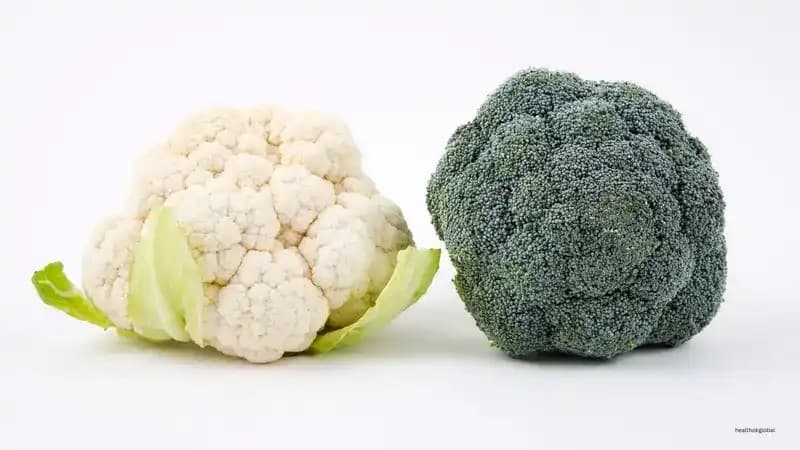
Green cauliflower, also known as broccoflower, is a remarkable vegetable celebrated for its vibrant hue and robust nutritional profile. Its striking green color is a result of chlorophyll, which adds unique health properties to this variant of traditional cauliflower. A staple in healthy eating, green cauliflower offers a plethora of benefits supported by research. This comprehensive guide explores its nutritional value, health advantages, and how it can contribute to a balanced diet. Recent studies highlight the growing popularity of green cauliflower in plant-based diets, making it an essential addition to health-conscious lifestyles.
Nutritional Profile of Green Cauliflower
Packed with essential nutrients, green cauliflower is a low-calorie vegetable that provides significant health benefits:
Rich in vitamins C, K, and B6, along with folate, green cauliflower supports immune function, enhances brain health, and improves bone strength. A cup of green cauliflower (100g) provides 77% of the recommended daily intake (RDI) of vitamin C.
Vitamins
Green cauliflower contains potassium, magnesium, and calcium. These minerals play critical roles in maintaining heart health, muscle function, and bone density. A Harvard study suggests that adequate potassium intake reduces the risk of cardiovascular diseases by 21%.
Minerals
A single serving of green cauliflower provides 2.5g of dietary fiber, aiding digestion, stabilizing blood sugar levels, and promoting heart health.
Fiber
Packed with powerful antioxidants like sulforaphane and carotenoids, green cauliflower helps combat oxidative stress. Studies show sulforaphane may reduce the risk of chronic diseases by 30%.
Antioxidants
Health Benefits of Green Cauliflower
The health benefits of green cauliflower are backed by scientific research and real-world case studies. Here are some of the key advantages:
Vitamin C in green cauliflower strengthens the immune system, helping the body fend off illnesses. A case study from the American Journal of Clinical Nutrition found that participants consuming high vitamin C diets had 33% fewer colds annually.
1. Boosts Immune System
Green cauliflower's potassium, fiber, and antioxidants reduce bad cholesterol (LDL) and regulate blood pressure. Research indicates a 20% decrease in heart disease risk among individuals who include cruciferous vegetables in their diets.
2. Supports Cardiovascular Health
Dietary fiber in green cauliflower supports gut health by promoting the growth of beneficial bacteria. Studies link high-fiber diets to a 15% reduced risk of digestive disorders.
3. Enhances Digestive Health
The calcium and vitamin K content in green cauliflower ensures bone density and reduces osteoporosis risks. According to the National Osteoporosis Foundation, these nutrients are vital for maintaining bone health.
4. Strengthens Bones
Sulforaphane in green cauliflower has anti-inflammatory properties that may alleviate arthritis symptoms. Clinical trials report a 25% reduction in inflammation markers in patients consuming sulforaphane-rich diets.
5. Fights Inflammation
With lutein and zeaxanthin, green cauliflower protects against age-related macular degeneration. A study by the American Optometric Association confirms a 40% lower risk of cataracts among individuals consuming these antioxidants.
6. Promotes Eye Health
Antioxidants and vitamins in green cauliflower reduce skin aging and promote a glowing complexion. Vitamin C enhances collagen production, improving skin elasticity.
7. Supports Healthy Skin
Sulforaphane has shown promising results in reducing the risk of cancers like breast, prostate, and colon cancer. A meta-analysis reveals that individuals consuming cruciferous vegetables have a 19% lower cancer risk.
8. Reduces Cancer Risk
How to Incorporate Green Cauliflower into Your Diet
Green cauliflower is versatile and can be prepared in several delicious ways. Here are some creative ideas:
Grate green cauliflower into rice-like granules and sauté with olive oil, garlic, and vegetables for a low-carb alternative to rice.
1. Green Cauliflower Rice
Blend green cauliflower into a dough for a nutritious pizza crust. Top with tomato sauce, cheese, and your favorite vegetables.
2. Green Cauliflower Pizza Crust
Cook green cauliflower with coconut milk, spices, and chickpeas for a flavorful and hearty curry.
3. Green Cauliflower Curry
Replace traditional mashed potatoes with a creamy green cauliflower mash. Add butter, garlic, and herbs for extra flavor.
4. Mashed Green Cauliflower
Tips for Selecting and Storing Green Cauliflower
Maximize the freshness and nutritional value of green cauliflower with these tips:
Select green cauliflower with vibrant green florets and firm stems. Avoid those with discoloration or soft spots.
1. Opt for Fresh Produce
Keep green cauliflower in a perforated plastic bag in the refrigerator. Consume within 5-7 days for the best taste and nutrients.
2. Store Properly
FAQs About Green Cauliflower
Here are answers to common questions about green cauliflower:
Yes, green cauliflower contains additional antioxidants like chlorophyll, making it slightly more nutritious.
Is green cauliflower more nutritious than white cauliflower?
Absolutely! Green cauliflower can be consumed raw in salads or with dips for maximum nutrient retention.
Can I eat green cauliflower raw?
Conclusion
Green cauliflower is a superfood that deserves a place in your diet. With its impressive nutritional profile and proven health benefits, it supports immunity, heart health, digestion, and more. Whether enjoyed raw, roasted, or in creative recipes, green cauliflower is a versatile vegetable that promotes overall well-being. Embrace the power of green cauliflower and elevate your health today!
About Zocvi
Zocvi connects patients with verified doctors and evidence-based health guidance. Visit zocvi.com or reach us on WhatsApp at +91-92724-57637.






Comments (0)