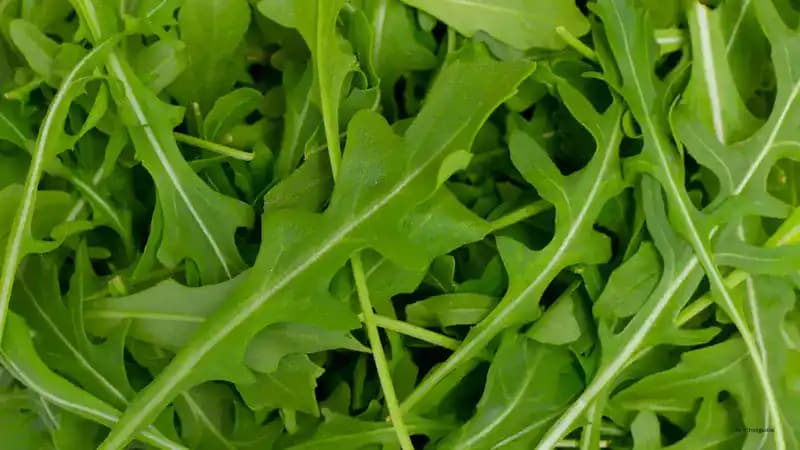
Rocket leaves, also known as arugula, are a nutrient-packed green that offers numerous health benefits.
Frequently Asked Questions
Where can I find rocket leaves (arugula) in India and how do I use them?
Rocket leaves (arugula) are a specialty item in India, not grown widely or found at local vegetable markets in most cities. They are available at premium supermarkets in Tier-1 cities: Nature's Basket, Foodhall, Le Marché, and some Reliance Fresh/Smart outlets stock them fresh in the salad-greens section (₹80–150 per 100g pack). Online, BigBasket's premium category and Amazon Fresh carry them. In Tier-2 cities and smaller towns, rocket leaves are generally unavailable. Growing your own is feasible, arugula grows easily in pots in Indian climates from October to February (prefers cooler weather; seeds available on Amazon India ₹100-200 per packet; harvest in 35-40 days). Culinary uses: rocket leaves have a distinctive peppery, slightly bitter flavour that mellows when dressed with lemon and olive oil. Best eaten raw in salads, try with tomatoes, olives, parmesan, or a simple lemon-olive oil dressing; also excellent as pizza topping, in sandwiches, or briefly wilted into pasta. Avoid overcooking (destroys heat-sensitive glucosinolates and Vitamin C). Best Indian substitute if unavailable: methi (fenugreek) leaves have a similar bitterness with better nutritional overlap.
How does rocket/arugula compare to palak (spinach) in nutrition?
Both are excellent leafy greens, with different nutritional strengths. Per 100g: Rocket/arugula, 25 kcal, 2.6g protein, 1.6g fibre, Vitamin K 109mcg, Vitamin A 472 IU, Vitamin C 15mg, calcium 160mg, iron 1.5mg. Palak/spinach, 23 kcal, 2.9g protein, 2.2g fibre, Vitamin K 483mcg, Vitamin A 9,376 IU, Vitamin C 28mg, calcium 99mg, iron 2.7mg. Palak is nutritionally superior overall, especially for Vitamin K (4× more), Vitamin A (20× more as beta-carotene), Vitamin C, and iron. Rocket has better calcium (60% more than palak). Both contain glucosinolates (cancer-protective compounds), rocket is actually in the Brassica family (same as broccoli/cabbage), while palak is Chenopodiaceae. Conclusion for India: palak is more available, more affordable (₹10-30/bunch vs ₹80-150/100g for rocket), and nutritionally stronger. Rocket's main advantage is its distinctive flavour profile for raw salad use, palak doesn't work raw as well. If you can get both, use palak as your primary leafy green and rocket as a salad-specific premium option.
Can people on blood thinners (warfarin) eat rocket leaves?
Rocket leaves contain Vitamin K (109mcg/100g), which directly interacts with warfarin (Coumadin). Warfarin works by inhibiting Vitamin K-dependent clotting factors; sudden increases in Vitamin K intake can reduce warfarin's anticoagulant effect and raise clot risk, while sudden decreases can raise bleeding risk. The key principle: CONSISTENCY matters more than avoidance. If you're on warfarin and eat rocket leaves regularly (1-2 servings per week), maintain that pattern, your warfarin dose will be calibrated accordingly. Do NOT suddenly start eating large daily portions if you've never eaten rocket before, this can significantly alter your INR. The same principle applies to other Vitamin K-rich greens (spinach, kale, methi, palak). Rocket's Vitamin K (109mcg/100g) is moderate compared to palak (483mcg/100g) or methi. People on newer anticoagulants (DOACs: rivaroxaban/apixaban/dabigatran) do NOT need to worry about Vitamin K, these drugs work through a different mechanism. Always inform your cardiologist or haematologist about your diet when on warfarin, and get regular INR monitoring.
Do rocket leaves actually have cancer-protective properties?
Rocket/arugula contains glucosinolates, specifically glucoerucin and glucoraphanin, the same compounds found in broccoli and cabbage. When you chew rocket leaves, myrosinase enzyme converts glucosinolates to isothiocyanates and sulforaphane, which activate Nrf2 pathways (cellular detoxification), inhibit HDAC enzymes (epigenetic cancer-suppression), and have shown anti-proliferative effects against cancer cell lines in laboratory studies. The epidemiological evidence (population studies) is reasonably consistent: cruciferous vegetable consumption is associated with reduced risk of colorectal, lung, breast, and prostate cancers (GRADE B evidence, multiple large cohort studies, no definitive RCTs). However, this evidence applies to ALL cruciferous vegetables collectively; there are no rocket-leaves-specific human cancer trials. Practical advice: rocket leaves are one useful addition to a cruciferous-vegetable-rich diet. For the average Indian diet, more accessible and affordable cruciferous sources, broccoli, cabbage, cauliflower (gobi), mustard greens (sarson), and radish (mooli), provide the same or greater glucosinolate benefits. Maximize these first; add rocket when available.
Questions About This Article
Have a question? Ask the author directly.
Have a question about this article?
Ask Zocvi Editorial directly. Your question may help others with similar concerns.


Comments (0)