Comprehensive Guide to the 8 Health Benefits of Broccoli

Comprehensive Guide to the 8 Health Benefits of Broccoli

Overview

Explore the numerous health benefits of broccoli, a nutritious superfood. This guide provides essential information on the nutritional value of broccoli and how it can support a healthy lifestyle.

Introduction

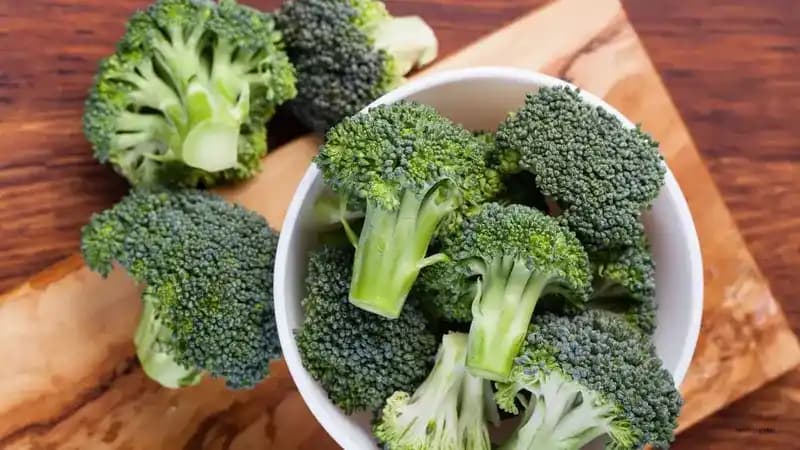
Broccoli, a cruciferous vegetable, is widely celebrated for its impressive nutritional profile and numerous health benefits. Packed with vitamins, minerals, fiber, and antioxidants, broccoli is a versatile and delicious addition to any diet. This comprehensive guide explores the health benefits of broccoli, its nutritional value, and ways to incorporate this superfood into your meals. By understanding the benefits of broccoli, you can make informed choices to support your overall health and well-being.

Nutritional Profile of Broccoli

Broccoli is a low-calorie vegetable that provides a wealth of essential nutrients. Its nutritional profile includes:
Broccoli is rich in vitamins C, K, and A, as well as folate and several B vitamins. These vitamins are crucial for maintaining a healthy immune system, supporting bone health, and promoting good vision.

Vitamins

This vegetable contains important minerals such as potassium, calcium, magnesium, and iron. These minerals support various bodily functions, including muscle contraction, nerve function, and oxygen transport.

Minerals

Broccoli is an excellent source of dietary fiber, which aids in digestion, helps regulate blood sugar levels, and supports heart health.

Fiber

Packed with antioxidants like sulforaphane, glucoraphanin, and carotenoids, broccoli helps protect the body from oxidative stress and reduces the risk of chronic diseases.

Antioxidants

Health Benefits of Broccoli

Incorporating broccoli into your diet can provide several health benefits, including:
The high vitamin C content in broccoli boosts the immune system and helps the body fight off infections.

1. Supports Immune Health

Broccoli contains fiber, antioxidants, and potassium, all of which contribute to cardiovascular health by reducing cholesterol levels and maintaining healthy blood pressure.

2. Promotes Heart Health

The fiber in broccoli promotes healthy digestion by preventing constipation and supporting the growth of beneficial gut bacteria.

3. Aids in Digestion

Vitamins K and calcium in broccoli are essential for maintaining strong bones and preventing osteoporosis.

4. Supports Bone Health

The anti-inflammatory properties of sulforaphane and other antioxidants in broccoli help reduce inflammation in the body, which can alleviate symptoms of conditions like arthritis.

5. Reduces Inflammation

Broccoli contains lutein and zeaxanthin, antioxidants that are beneficial for eye health and can help prevent age-related macular degeneration and cataracts.

6. Improves Eye Health

The vitamins and antioxidants in broccoli help protect the skin from damage and promote a healthy complexion.

7. Supports Healthy Skin

Compounds like sulforaphane in broccoli have been shown to have anti-cancer properties, potentially reducing the risk of certain cancers, including breast, prostate, and colon cancer.

8. May Reduce Cancer Risk

How to Incorporate Broccoli into Your Diet

There are many delicious and creative ways to include broccoli in your meals. Here are some suggestions:
Steaming broccoli is a simple and healthy way to enjoy its nutrients. Add a squeeze of lemon juice and a sprinkle of salt for added flavor.

1. Steamed Broccoli

Stir-fry broccoli with other vegetables and lean protein for a quick and nutritious meal. Use garlic, ginger, and soy sauce for added taste.

2. Broccoli Stir-Fry

Blend steamed broccoli with vegetable broth, onions, and garlic to make a creamy and nutritious soup. Add a dollop of Greek yogurt for extra creaminess.

3. Broccoli Soup

Toss broccoli florets with olive oil, salt, and pepper, and roast in the oven until crispy. This method enhances the natural sweetness of broccoli.

4. Roasted Broccoli

Combine raw or lightly steamed broccoli with other vegetables, nuts, and a light dressing for a refreshing and crunchy salad.

5. Broccoli Salad

Add a handful of raw or steamed broccoli to your favorite smoothie recipe for an extra boost of nutrients. Pair it with fruits like bananas and berries to balance the flavor.

6. Broccoli Smoothie

Mix steamed or roasted broccoli with whole-grain pasta, olive oil, garlic, and Parmesan cheese for a healthy and satisfying meal.

7. Broccoli Pasta

Tips for Selecting and Storing Broccoli

To get the most out of your broccoli, follow these tips for selecting and storing this nutritious vegetable:
Select broccoli with firm, dark green florets and a firm stem. Avoid broccoli with yellowing florets or soft spots.

1. Choose Fresh Broccoli

Store broccoli in the refrigerator in a perforated plastic bag to maintain freshness. Use it within a week for the best quality.

2. Store Properly

Wash and cut broccoli just before use to preserve its nutrients and freshness. If you need to cut it in advance, store it in an airtight container in the refrigerator.

3. Prepare Just Before Use

Potential Side Effects and Considerations

While broccoli is generally safe and beneficial for most people, there are some considerations to keep in mind:
Broccoli contains fiber and certain compounds that can cause gas and bloating in some people. Start with small portions if you have a sensitive digestive system.

1. Digestive Issues

Broccoli contains goitrogens, which can interfere with thyroid function in large amounts. If you have thyroid issues, moderate your intake and consult with a healthcare provider.

2. Thyroid Function

Although rare, some people may have an allergy to broccoli. If you experience symptoms like itching, swelling, or difficulty breathing after consuming broccoli, seek medical attention.

3. Allergies

Conclusion

Broccoli is a nutrient-dense superfood that offers a wide range of health benefits. By incorporating broccoli into your diet, you can support immune health, promote heart health, aid digestion, and much more. With its versatility and delicious flavor, broccoli can be easily added to various dishes to enhance your overall well-being. Embrace the health benefits of broccoli and enjoy this nutritious vegetable in your daily meals.

About Zocvi

Zocvi connects patients with verified doctors and evidence-based health guidance. Visit zocvi.com or reach us on WhatsApp at +91-92724-57637.


Follow Zocvi

Stay connected with Zocvi for expert health advice. Follow us on Facebook, LinkedIn, and Instagram.

Frequently Asked Questions

Does sulforaphane in broccoli actually prevent cancer — what does the research say?

Sulforaphane's cancer-preventive properties are among the most well-researched plant compounds in nutritional oncology — but the evidence requires honest framing. What the evidence shows: In vitro (cell culture) and animal studies: sulforaphane inhibits cancer cell proliferation, induces apoptosis (programmed cancer cell death), and activates Nrf2-mediated antioxidant pathways — consistently across multiple studies. Human epidemiological evidence: A 2017 meta-analysis in European Journal of Nutrition (n=22 studies, 1.1 million participants) found cruciferous vegetable consumption (broccoli, cauliflower, kale) associated with 8-11% lower risk of colorectal cancer and 15-18% lower risk of bladder cancer compared to lowest-intake groups. The same meta-analysis found 19-21% lower lung cancer risk association in never-smokers eating high cruciferous vegetable intake. Breast cancer prevention: A 2012 study in Cancer Prevention Research found sulforaphane specifically targeted breast cancer stem cells in tissue culture — this led to significant media coverage but is pre-clinical evidence, not proof in humans. What the evidence does NOT show: no RCT (randomised controlled trial) has proven that broccoli or sulforaphane supplements prevent cancer in humans. Associations in epidemiology don't prove causation. Practical takeaway: broccoli is genuinely one of the most evidence-supported cancer-preventive vegetables. Aim for 3-5 servings of cruciferous vegetables weekly. This is not the same as 'eating broccoli prevents cancer' — it's part of a dietary pattern associated with lower cancer incidence.

Is broccoli safe for thyroid patients — especially those with hypothyroidism?

This is a common concern — and the risk is significantly overstated for most thyroid patients. The facts: Broccoli (and other cruciferous vegetables) contains goitrogens — compounds that inhibit thyroid iodine uptake, potentially reducing thyroid hormone synthesis. The mechanism: glucosinolates in broccoli convert to thiocyanates in the gut, which compete with iodine for thyroid uptake. However: this effect is clinically significant only at very high, sustained intake levels (>500g raw broccoli daily for months) AND in individuals who are iodine-deficient. For most Indians who: (a) eat normal portions of broccoli (100-200g per meal, a few times per week), and (b) consume iodised salt (which provides adequate iodine) — the goitrogenic effect on thyroid function is negligible. COOKING neutralises most goitrogenic compounds — blanching, steaming, or stir-frying at 70°C+ degrades thiocyanates by 30-50%. Raw broccoli in large quantities is higher risk. Indian context: most hypothyroid patients on levothyroxine can eat broccoli normally — the hormonal replacement bypasses the dietary iodine issue. Exceptions: patients with severe iodine deficiency (rare in urban India with iodised salt); patients whose thyroid function is borderline — monitor TSH if very high cruciferous vegetable intake. Bottom line: don't avoid broccoli for thyroid health unless your endocrinologist specifically instructs it. Cook it, eat in normal portions, and ensure adequate iodised salt intake.

What's the best way to cook broccoli to preserve its nutrients — especially sulforaphane?

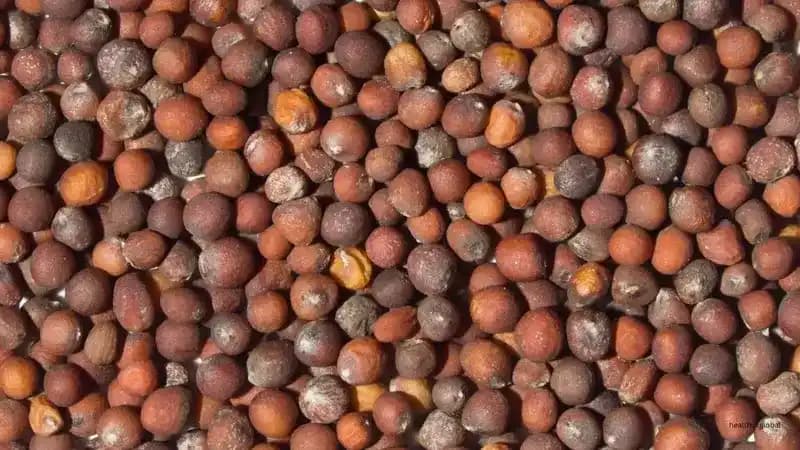
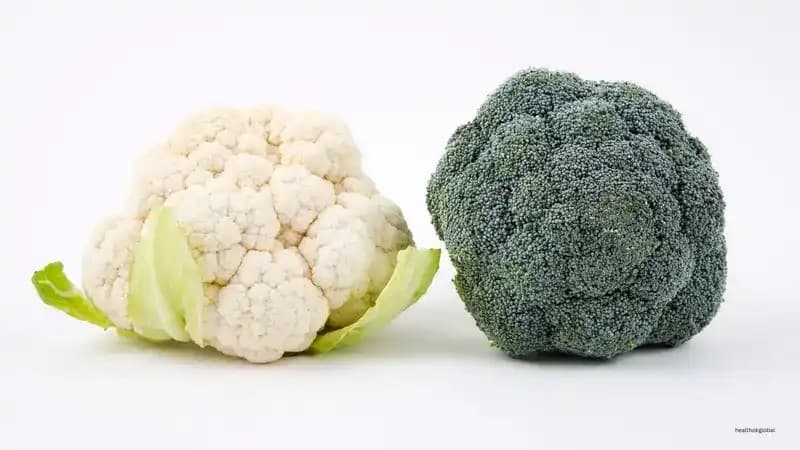
Cooking method matters significantly for broccoli's nutritional value. The key insight: myrosinase (the enzyme that converts glucoraphanin → sulforaphane) is destroyed by heat above 70°C — but sulforaphane itself can be generated via gut bacteria if glucoraphanin reaches the colon intact. Best method for sulforaphane: Chop and let sit 40 minutes before cooking (pre-chopping activates myrosinase enzymatic conversion before heat destroys the enzyme). Then lightly steam for 3-4 minutes — enough to soften but not enough to destroy glucoraphanin completely. Add raw mustard seeds or radish (which contain active myrosinase) to the cooked broccoli — a Japanese food science study showed this restored sulforaphane levels comparable to raw broccoli. Worst methods for nutrients: Boiling (losing 40-60% of water-soluble Vitamin C and B vitamins into the cooking water; use the water in soups to recover). Microwaving with water (similar losses). Prolonged high-heat roasting (destroys sulforaphane precursors). Best all-round method for Indian cooking: quick stir-fry in minimal oil (1 tsp) at high heat for 3-4 minutes — preserves crunch, retains 70-80% of Vitamin C, partial sulforaphane preservation. For Indian dal or sabzi: add broccoli in the last 5 minutes of cooking rather than from the start. Tip for Indian cooking context: broccoli can be used in any recipe calling for cauliflower (gobi) — same cooking methods apply, and broccoli has significantly higher Vitamin C and sulforaphane content than cauliflower.

How does broccoli help with blood sugar and is it good for diabetics?

Yes — broccoli is one of the best vegetables for diabetes management, and the evidence is stronger than most people realise. Key mechanisms: (1) Very low glycaemic impact: 100g broccoli = only 7g carbohydrates, with 2.6g fibre — net carbs ~4.4g. Glycaemic index ~15 (very low; below 55 is low). Replacing higher-GI foods with broccoli at any meal reduces overall meal GI significantly. (2) Sulforaphane and insulin sensitivity: A 2017 Science Translational Medicine study found sulforaphane extract reduced fasting blood glucose in obese T2DM patients by 10% after 12 weeks — not sulforaphane supplements specifically, but an indication of potential mechanism. (3) Chromium content: broccoli is one of the higher chromium foods; chromium improves insulin sensitivity and glucose metabolism. (4) Fibre and postprandial glucose: the 2.6g fibre per 100g slows gastric emptying and blunts postprandial glucose spike when eaten alongside rice or roti. Practical for Indian diabetics: add 100g steamed broccoli to lunch and dinner as a side vegetable — studies suggest this can reduce postprandial glucose by 15-20 mg/dL vs the same meal without it. Combine with protein (dal, paneer) for additive effect. Important caution: broccoli does not replace diabetes medication — it works as a dietary adjunct. Patients on blood-sugar-lowering medications (metformin, sulfonylureas, insulin) should not reduce medication doses based on dietary changes without doctor guidance.

Questions About This Article

Have a question? Ask the author directly.

Have a question about this article?

Ask Zocvi Editorial directly. Your question may help others with similar concerns.

Q:1 answer
Q:1 answer
Q:1 answer
Q:1 answer

Comments (0)

Found this helpful? Share it!

LinkedInWhatsApp

More from Zocvi Editorial

Other Articles You May Like

Find a Doctor for Healthy Diet Plans

Verified specialists across India

Dr. Ridhi Khanna

Dietitian & Nutritionist

14 yrs

Amritsar

Eat it Right
Joshi Colony, Amritsar, Punjab, 143001
₹500 consultation