
Introduction
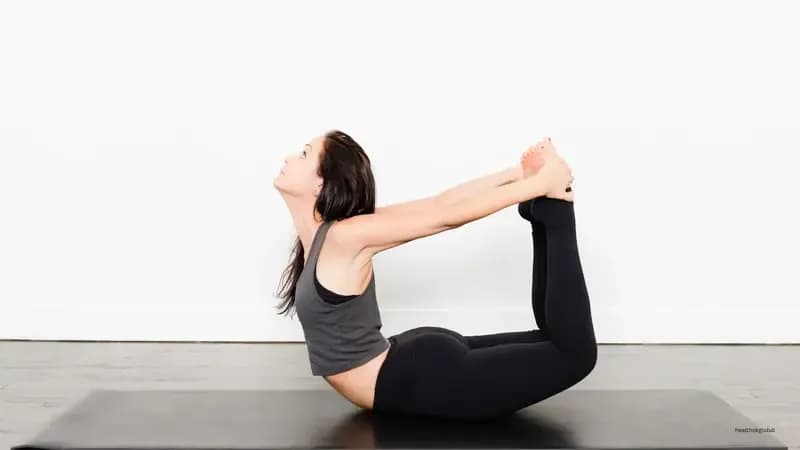
The Bow Pose, or Dhanurasana, is a powerful yoga posture that stretches and strengthens the body, offering numerous health benefits. This backbend pose is named after the shape the body takes, resembling a bow ready to shoot an arrow. Practicing the Bow Pose regularly can improve flexibility, boost energy levels, and enhance overall well-being. This blog explores the benefits, step-by-step guide, and tips for mastering the Bow Pose.
Benefits of Bow Pose
The Bow Pose offers a range of physical and mental benefits. Some of the key benefits include:
The Bow Pose stretches the entire front body, including the chest, abdomen, thighs, and hip flexors, enhancing overall flexibility.
Improves Flexibility
This pose strengthens the back muscles, helping to alleviate back pain and improve posture.
Strengthens the Back
By compressing the abdomen, the Bow Pose massages and stimulates the digestive organs, promoting better digestion and metabolism.
Stimulates Digestive Organs
The Bow Pose opens the chest and shoulders, improving respiratory function and relieving tension in the upper body.
Opens the Chest
This dynamic pose invigorates the body, increasing energy levels and combating fatigue.
Enhances Energy Levels
Practicing the Bow Pose can help reduce stress and anxiety by promoting relaxation and mental clarity.
Reduces Stress
The pose stimulates the endocrine glands, helping to balance hormones and support overall hormonal health.
Balances Hormones
By enhancing circulation, the Bow Pose helps deliver more oxygen and nutrients to the body's tissues.
Improves Blood Circulation
Step-by-Step Guide to Bow Pose
To perform the Bow Pose, follow these steps carefully:
Lie flat on your stomach with your arms resting by your sides and your forehead on the mat.
Step 1: Preparation
Bend your knees and bring your heels close to your buttocks.
Step 2: Bend the Knees
Reach back with your hands and hold your ankles.
Step 3: Grab the Ankles
Inhale deeply, lift your chest off the ground, and pull your legs up and back.
Step 4: Lift the Chest
Hold the pose for 15-30 seconds while breathing deeply.
Step 5: Hold the Pose
Exhale and gently release your ankles, lower your legs, and rest your forehead on the mat.
Step 6: Release
Relax in the prone position, taking deep breaths.
Step 7: Relax
Tips for Mastering Bow Pose
Mastering the Bow Pose requires practice and patience. Here are some tips to help you improve:
Always warm up with gentle stretches before attempting the Bow Pose to prevent injury.
Warm-Up
If you find it challenging to reach your ankles, use a strap to bridge the gap between your hands and feet.
Use Props
Maintain steady and deep breaths throughout the pose to stay relaxed and focused.
Focus on Breathing
Engage your core muscles to support your lower back and prevent strain.
Engage Your Core
Incorporate the Bow Pose into your regular yoga practice to build strength and flexibility over time.
Practice Regularly
Never push yourself too hard. Listen to your body and modify the pose as needed to avoid injury.
Listen to Your Body
Common Mistakes to Avoid
Avoid these common mistakes to ensure safe and effective practice:
Focus on lifting your chest and legs evenly rather than over-arching your lower back.
Arching the Lower Back
Keep your breath steady and avoid holding your breath during the pose.
Holding Your Breath
Don't force your body into the pose. Ease into it gradually and respect your limits.
Forcing the Pose
Always warm up properly before attempting the Bow Pose to prevent muscle strain.
Neglecting the Warm-Up
Modifications and Variations
To make the Bow Pose accessible to all levels, consider these modifications and variations:
Perform the pose with one leg at a time for a gentler stretch.
Half Bow Pose
Use a yoga block or bolster under your chest for added support.
Supported Bow Pose
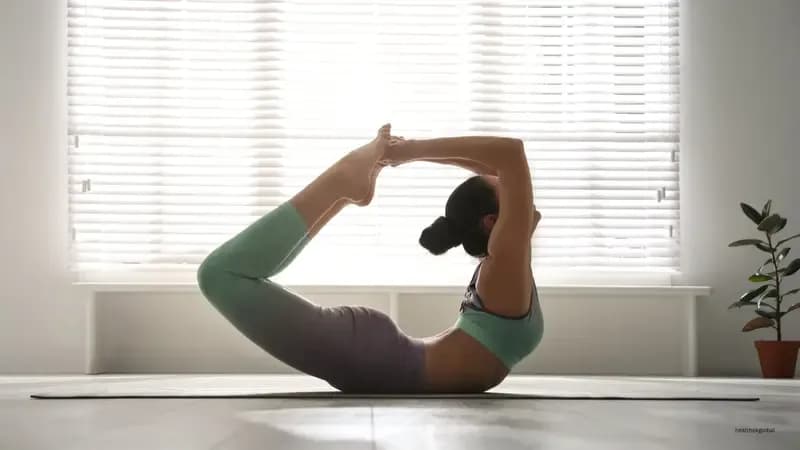
For a deeper stretch, lift your thighs off the ground and bring your feet closer to your head.
Advanced Bow Pose
Precautions and Contraindications
While the Bow Pose is beneficial, it may not be suitable for everyone. Take the following precautions:
If you have a history of back injuries, consult with a healthcare professional before attempting this pose.
Avoid if You Have Back Injuries
Those with shoulder injuries should be cautious and modify the pose as needed.
Be Cautious with Shoulder Issues
Pregnant women should avoid the Bow Pose due to the pressure it places on the abdomen.
Pregnancy
Always listen to your body and avoid pushing yourself beyond your comfort level.
Listen to Your Body
Conclusion
The Bow Pose, or Dhanurasana, is a powerful yoga posture that offers numerous benefits for both the body and mind. By incorporating this pose into your regular yoga practice, you can improve flexibility, strengthen your back, and enhance overall well-being. Remember to follow the steps carefully, listen to your body, and practice regularly to master the Bow Pose and enjoy its full range of benefits.









Comments (0)