Widal Test for Typhoid Fever: Purpose, Procedure, and Accuracy
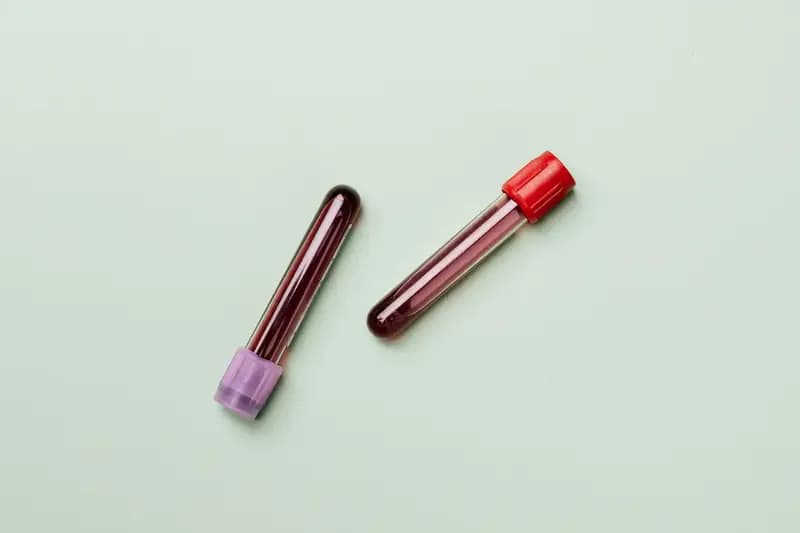
The Widal test is a key diagnostic tool for typhoid fever caused by Salmonella Typhi. Understand its purpose, procedure, result interpretation, and limitations.

Waterborne & Foodborne Diseases covers typhoid, cholera, hepatitis A and E, giardiasis, and the diarrheal illnesses that surge with monsoon season and contaminated water sources. Our doctors and editorial team explain when oral rehydration is enough, when antibiotics are warranted, prevention strategies, and what travelers should know about Indian water and food safety.
Last reviewed: 10 August 2026
The Widal test is a key diagnostic tool for typhoid fever caused by Salmonella Typhi. Understand its purpose, procedure, result interpretation, and limitations.
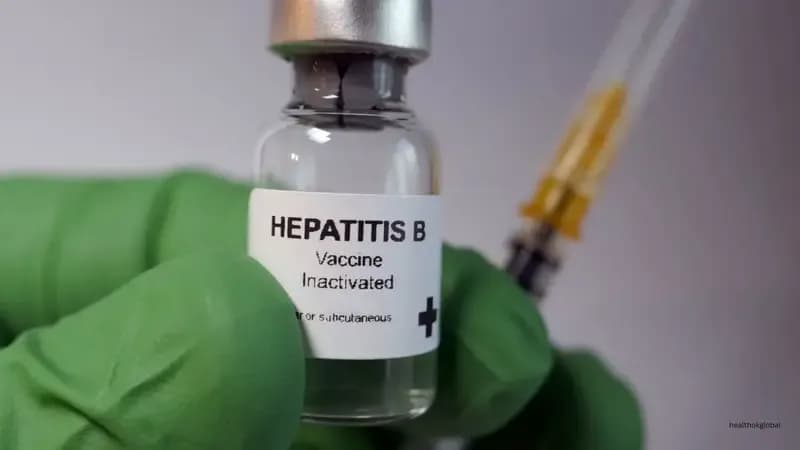
The hepatitis vaccine is essential for protecting adults against hepatitis A and B infections.
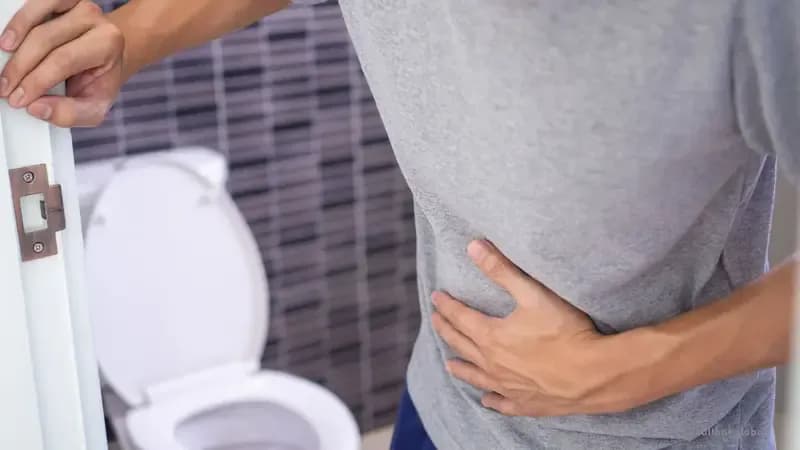
Diarrhea is characterized by frequent, loose, or watery bowel movements.
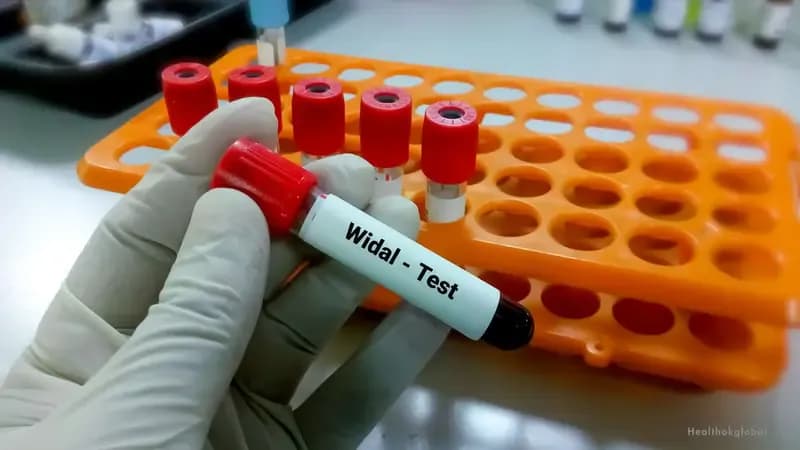
The Widal test is a diagnostic tool used to detect typhoid fever and other enteric fevers caused by Salmonella bacteria.
Expert answers from our medical team
Typhoid, hepatitis A and E, cholera, dysentery (bacterial and amoebic), gastroenteritis from various viruses and bacteria, and — in specific outbreaks — leptospirosis after monsoon flooding. All spread through water or food contaminated by human faeces. Rates are highest in monsoon season, in areas with poor sanitation, and after floods.
Reputable brands from sealed bottles are generally safe. Local unbranded bottled water is variable — some is just tap water in a bottle. Look for BIS marking. Filtered water from a good home filter (UV + RO for most areas) is often more reliable long-term. Boiled water (rolling boil for 1-3 minutes) is a fallback anywhere. Ice, uncooked food washed in tap water, and street juices are common overlooked risks.
Typhoid causes a gradually rising fever over days, headache, abdominal discomfort, sometimes constipation or diarrhoea, and — classically — a rose-coloured rash on the trunk. Untreated, it can last weeks and cause serious complications (intestinal perforation, bleeding). Diagnosis is by blood culture. Treatment is with specific antibiotics; resistance to older antibiotics is common in India, so choice matters. Vaccine exists and is worth considering for travel or repeated exposure.
Cholera causes profuse watery diarrhoea and rapid dehydration — deadly if fluids aren't replaced quickly. Vibrio cholerae bacteria spread through contaminated water. India still sees cholera outbreaks, especially in poor sanitation areas and after natural disasters. Vaccination (oral cholera vaccine) is used in outbreak settings and for travellers to endemic areas. Prompt fluid replacement with ORS saves lives.
Boiling (rolling boil for 1-3 minutes) is the surest short-term method. Long-term: a good filter combining sediment filtration, activated carbon, RO (for hard/high-TDS water), and UV disinfection. Change filters as scheduled — an old filter is worse than no filter. Store treated water in clean, covered containers. Don't let children drink from open tanks or wells.
Questions from our community members
Ask our medical community. Your question may help others with similar concerns.
Verified specialists across India