

Why Nutrition Matters During Active TB Disease Treatment
This guidance is for nutrition and support during treatment for active tuberculosis (TB) disease, not latent TB infection or preventive treatment. Everyone being treated for active TB disease should have nutritional status assessed and receive counselling based on that assessment at diagnosis and during treatment. Food needs differ with weight trend, age, pregnancy, other conditions, food access and the prescribed regimen. Extra energy or protein support is particularly relevant when undernutrition or continued weight loss is identified; it is not a universal prescription. TB medicines treat the disease, while nutrition care addresses measured needs and recovery.
Alcohol and Liver Safety
During active TB disease treatment, isoniazid, rifampicin (rifampin) and pyrazinamide can cause serious liver reactions, and alcohol can add risk. Avoid alcohol and tell the TB team about current use so they can plan safe care. If you are dependent on alcohol, do not stop suddenly without medical help. Call local emergency services for severe withdrawal such as visible severe shaking or restlessness, confusion, hallucinations, or a seizure. Possible serious adverse-reaction symptoms include unexplained loss of appetite, nausea or vomiting; brown urine, pale or light-coloured stools, or yellow skin or eyes; persistent tingling, numbness, burning or pain in the hands or feet; persistent weakness, fatigue, fever or abdominal pain or tenderness; easy bruising or bleeding; blurred or changed vision; and rash. Contact the TB team immediately or seek medical attention if any of these occur. The treating team may tell you which TB medicine or medicines to hold and arrange testing. Do not restart a medicine the team told you to hold until they tell you to. Rifampicin can normally turn urine and other body fluids orange or reddish-orange; that expected colour is different from brown urine in the warning list. Ask the TB team if you are uncertain.
Isoniazid and Food Interactions
During active TB disease treatment, the reviewed isoniazid label advises avoiding tyramine- and histamine-containing foods. It names cheese and red wine as tyramine examples, and skipjack, tuna and other tropical fish as histamine examples. A reaction may include headache, sweating, palpitations, flushing or low blood pressure. If these symptoms occur, contact the TB team promptly and describe the food and timing; seek urgent help for severe symptoms. Because labels and combination regimens differ, use the food list and instructions supplied with your own medicine. Keep every medicine or timing change clinician-directed.
Side Effects and Medicine Timing
During active TB disease treatment, Possible serious adverse-reaction symptoms include unexplained loss of appetite, nausea or vomiting; brown urine, pale or light-coloured stools, or yellow skin or eyes; persistent tingling, numbness, burning or pain in the hands or feet; persistent weakness, fatigue, fever or abdominal pain or tenderness; easy bruising or bleeding; blurred or changed vision; and rash. Contact the TB team immediately or seek medical attention if any of these occur. The treating team may tell you which TB medicine or medicines to hold and arrange testing. Do not restart a medicine the team told you to hold until they tell you to. Food tolerance must not be used to dismiss these warning symptoms. Food can change the absorption of some medicines: the reviewed isoniazid label says not to take it with food, and the reviewed rifampin label reports lower absorption with food. Other drugs and formulations may have different instructions. Do not move doses, add a snack, split tablets or make any medicine change unless the TB team or your medicine label instructs you to; medication changes must remain clinician-directed.
Food Support Based on Assessment
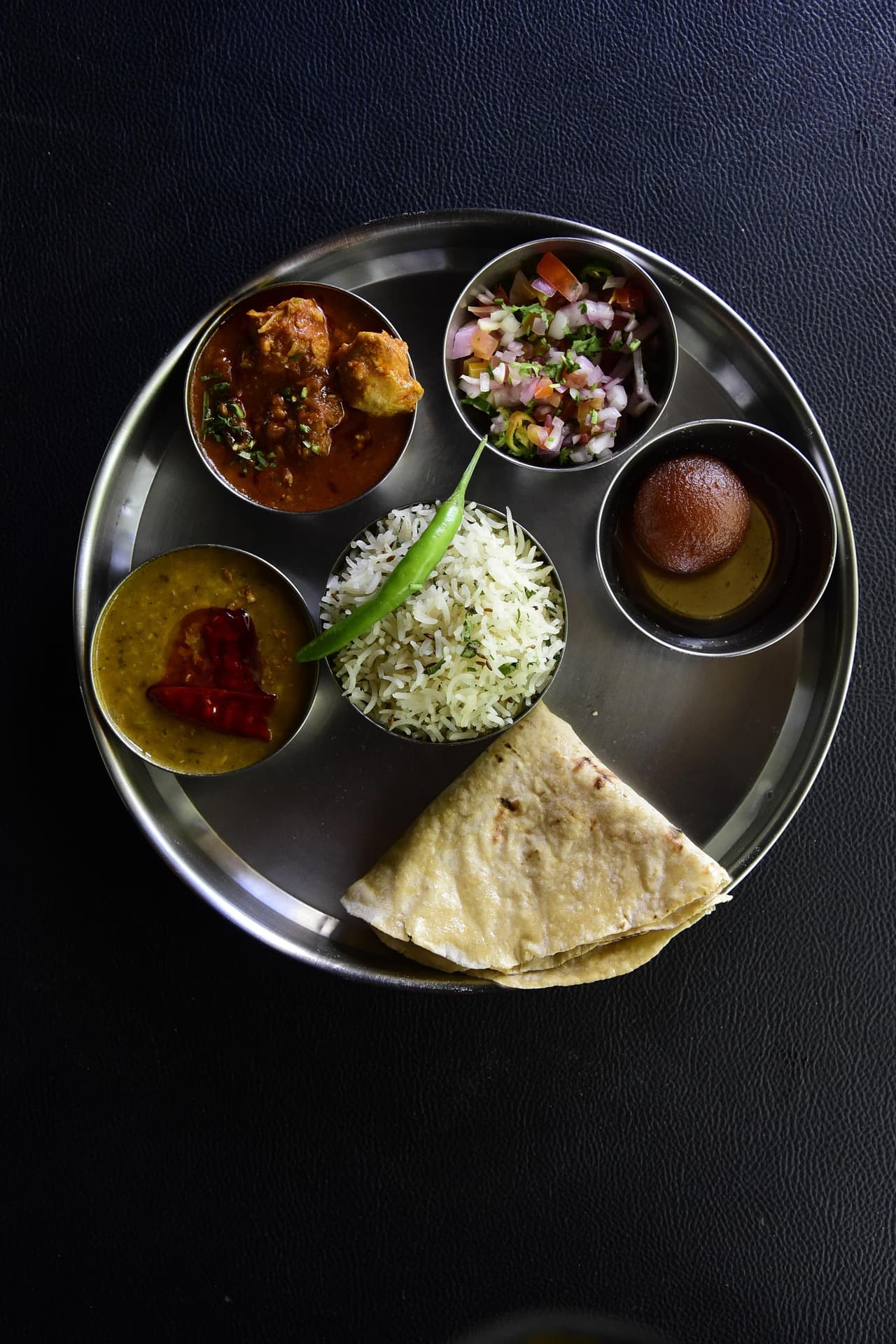
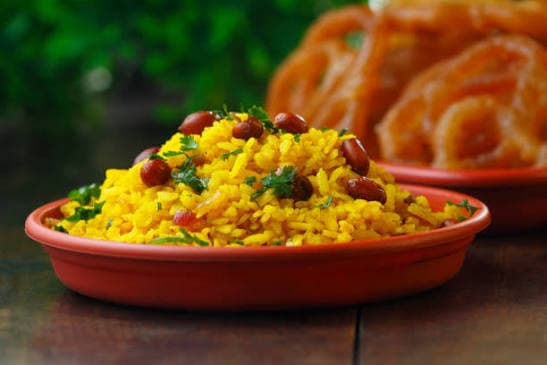
During active TB disease treatment, use locally available foods to meet the plan agreed with the TB team or dietitian. Dal and other pulses, eggs, fish, chicken, milk, curd and paneer can provide protein; rice, chapati, oats and millets can provide energy; vegetables and fruit add variety and micronutrients. When extra energy is needed because of undernutrition or weight loss, nuts, seeds, oil or ghee may help increase energy density. Ghee is an energy source, not a protein or calcium source. Diabetes, kidney or liver disease, pregnancy, swallowing problems and food intolerance may require a different plan.
Weight Monitoring and Vitamin B6
During active TB disease treatment, weight and nutritional status should be recorded near the start and reviewed during treatment. Continued weight loss needs assessment for food intake, medicine adherence, adverse effects, comorbidities and whether nutritional intervention is required. People taking an isoniazid-containing regimen should ask the TB team about pyridoxine (vitamin B6) if they have malnutrition, chronic alcohol dependence, HIV, renal failure or diabetes, are of advanced age, or are pregnant or breastfeeding. Possible serious adverse-reaction symptoms include unexplained loss of appetite, nausea or vomiting; brown urine, pale or light-coloured stools, or yellow skin or eyes; persistent tingling, numbness, burning or pain in the hands or feet; persistent weakness, fatigue, fever or abdominal pain or tenderness; easy bruising or bleeding; blurred or changed vision; and rash. Contact the TB team immediately or seek medical attention if any of these occur. The treating team may tell you which TB medicine or medicines to hold and arrange testing. Do not restart a medicine the team told you to hold until they tell you to. Do not choose or change a vitamin B6 dose without the treating team.



Comments (0)