
रूखी त्वचा से छुटकारा पाएं | Dr. Sushma Jadhav
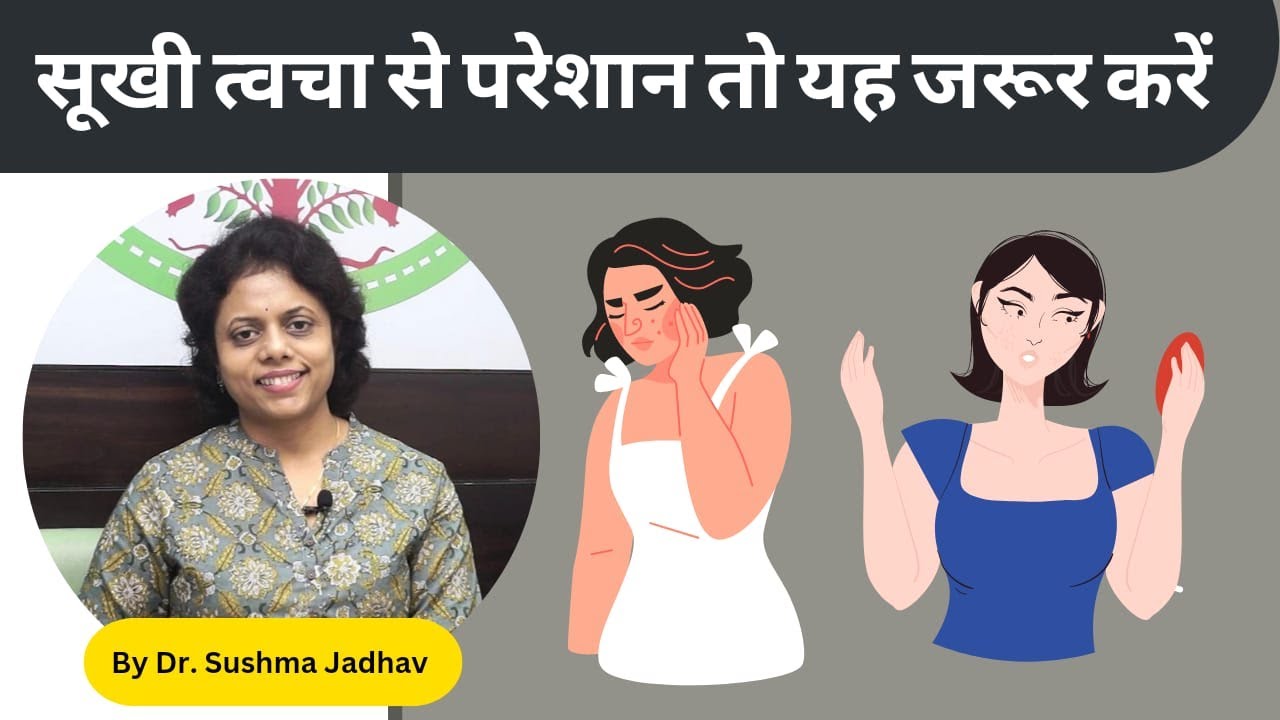

Eczema (atopic dermatitis) is a chronic inflammatory skin condition that causes dry, itchy, inflamed skin in recurring cycles of flares and remissions. In India, it affects an estimated 2-5% of adults and up to 20% of children, often beginning in infancy and improving through childhood — though it persists into adulthood in about a third of cases. Eczema is part of the 'atopic triad' alongside asthma and allergic rhinitis — many patients have all three. It is not contagious, not caused by poor hygiene, and not curable — but it is well manageable. Contact dermatitis, a different but related condition where the skin reacts to a specific irritant or allergen (soap, nickel, rubber, hair dye, certain plants), is also addressed here. Both conditions share the core treatment principle: restore and protect the skin barrier.
Last reviewed: 10 August 2026

Ayurvedic treatment for eczema offers natural remedies that help manage symptoms and improve skin health.
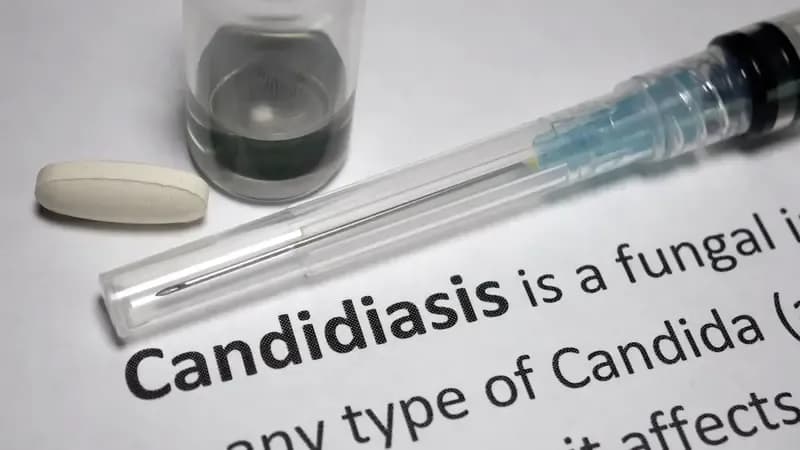
Mucocutaneous candidiasis is a fungal infection that affects the skin, nails, and mucous membranes, caused by the Candida species of fungi.
Verified specialists across India
Eczema triggers vary between individuals — identifying yours matters more than following a generic list. Common triggers: dry skin from insufficient moisturising or over-washing, soaps and detergents (sodium lauryl sulphate in many products), rough fabrics (wool, synthetic) against skin, sweat and heat, stress and emotional upset, certain foods in young children (egg, milk, peanut, wheat — patch testing with an allergist helps identify food triggers in children with severe eczema), environmental allergens (house dust mite, pet dander), and infections (S. aureus colonises eczema skin and worsens inflammation). Keep a simple diary for 4-6 weeks noting flare date and recent exposures — patterns often become clear. In contact dermatitis, a patch test by a dermatologist identifies the specific allergen causing the reaction.
Topical corticosteroids are the most effective treatment for eczema flares and are safe when used correctly. The fear of steroid creams causes many patients to under-treat, prolonging flares and allowing skin damage from prolonged inflammation. Guidelines: use the right potency for the body site — mild steroids (hydrocortisone 1%) for the face and skin folds; moderate (betamethasone valerate 0.025%) for the body; strong (mometasone 0.1%) for thick lichenified skin. Apply once or twice daily to the affected area until the flare resolves (usually 7-14 days), then stop. Don't use continuously for months. Proactive therapy: some patients benefit from applying topical steroid twice weekly on the areas that typically flare (after clearing) to prevent the next flare — ask your dermatologist. Moisturiser (emollient) should be applied generously and daily regardless of flare status — it is the cornerstone of maintenance.
Yes. Topical calcineurin inhibitors (tacrolimus ointment, pimecrolimus cream) are non-steroid anti-inflammatories effective for eczema — particularly useful for the face and skin folds where steroid side effects (skin thinning) are most concerning, and for long-term maintenance use. They can cause stinging on application initially. Crisaborole ointment is a PDE4 inhibitor, a newer non-steroid option for mild-moderate eczema. For moderate-severe eczema not controlled with topicals: dupilumab (Dupixent) is a subcutaneous injection given every 2 weeks that blocks IL-4 and IL-13 (the key inflammatory pathways in atopic eczema) — transformatively effective with an excellent safety profile. It is available in India but expensive (though cost is falling). Oral JAK inhibitors (abrocitinib, baricitinib) are newer oral options for severe eczema. Phototherapy (narrowband UVB) is another established option available at dermatology centres.
Many children do improve significantly through childhood and adolescence — roughly 60% of childhood eczema patients have mild or no disease by adulthood. However, about one-third continue into adult life, and some who apparently remit in childhood develop eczema again in adulthood, often triggered by stress, occupational exposures, or environmental change. The atopic predisposition — the underlying tendency to immune dysregulation — does not disappear; what changes is its expression. Children who develop asthma or allergic rhinitis alongside eczema are less likely to fully outgrow the atopic tendency. Regular emollient use, avoiding known triggers, and treating flares promptly gives the best chance of keeping eczema mild and minimally disruptive through childhood. Don't let a child suffer through flares without treatment on the assumption they will 'grow out of it.'
Contact dermatitis is an inflammatory skin reaction caused by direct skin contact with an irritant or allergen — distinct from atopic eczema. Irritant contact dermatitis (more common) results from cumulative damage by irritants: repeated hand washing, detergents, solvents, occupational chemicals. Allergic contact dermatitis is a delayed hypersensitivity reaction to a specific substance — nickel (jewellery, watch buckles, jeans buttons), rubber, hair dye chemicals (PPD), fragrances, preservatives in cosmetics, or certain plants (parthenium — very common in India, causes widespread eczematous dermatitis). Diagnosis: patch testing (standardised panels of allergens applied to the back under occlusive patches for 48-72 hours, then read) identifies the specific allergen. Treatment: identify and eliminate the causal allergen, use topical steroids to settle the acute reaction, and emollients to restore the barrier.
Ask our medical community. Your question may help others with similar concerns.
No questions yet. Be the first to ask!