
Introduction
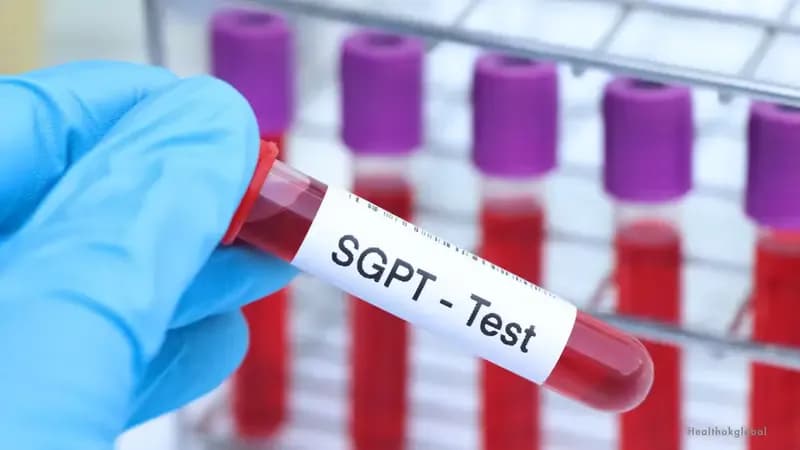
Serum Glutamic Pyruvic Transaminase (SGPT), also known as Alanine Aminotransferase (ALT), is an enzyme primarily found in the liver. It plays a crucial role in converting proteins into energy for liver cells. Measuring SGPT levels in the blood can provide valuable insights into liver health. This blog explores the normal range of SGPT, its significance, factors influencing its levels, and what abnormal SGPT levels could indicate.
What is SGPT?
SGPT, or Alanine Aminotransferase (ALT), is an enzyme that helps in the conversion of alanine, an amino acid, into pyruvate, an important intermediate in cellular energy production. SGPT is predominantly found in the liver, but smaller amounts are also present in the kidneys, heart, muscles, and pancreas. The SGPT test measures the amount of this enzyme in the blood, providing an indication of liver health.
Why is SGPT Important?
SGPT is a key marker for liver function. Elevated levels of SGPT in the blood can indicate liver damage or inflammation, as the enzyme is released into the bloodstream when liver cells are injured. Therefore, monitoring SGPT levels is essential for diagnosing and managing liver-related conditions.
SGPT Normal Range
The normal range of SGPT can vary slightly depending on the laboratory and the measurement methods used. However, the generally accepted normal range for SGPT is as follows:
10-40 units per liter (U/L)
Men:
7-35 units per liter (U/L)
Women:
Factors Influencing SGPT Levels
Several factors can influence SGPT levels, leading to variations even within the normal range. These factors include:
SGPT levels can vary with age, often being higher in younger individuals and gradually decreasing with age.
Age:
Men tend to have slightly higher SGPT levels than women.
Gender:
Intense physical activity can temporarily elevate SGPT levels due to muscle strain.
Physical Activity:
Certain foods and dietary habits can affect liver enzyme levels.
Diet:
Some medications can increase SGPT levels, including statins, antibiotics, and nonsteroidal anti-inflammatory drugs (NSAIDs).
Medications:
Conditions such as obesity, diabetes, and metabolic syndrome can influence SGPT levels.
Health Conditions:
What Do Elevated SGPT Levels Indicate?
Elevated SGPT levels can indicate several liver-related conditions. It's important to understand what these elevated levels could mean and when to seek medical advice.
Common Causes of Elevated SGPT Levels
Inflammation of the liver caused by viral infections, such as hepatitis A, B, or C.
Hepatitis:
Damage to the liver caused by excessive alcohol consumption.
Alcoholic Liver Disease:
Accumulation of fat in the liver not related to alcohol consumption.
Non-Alcoholic Fatty Liver Disease (NAFLD):
Scarring of the liver tissue due to long-term liver damage.
Liver Cirrhosis:
Malignant growth in the liver.
Liver Cancer:
Certain drugs can cause liver damage as a side effect, leading to elevated SGPT levels.
Medications:
Conditions like gallstones can affect liver enzyme levels.
Gallbladder Disease:
Less Common Causes
An autoimmune disorder affecting the small intestine.
Celiac Disease:
Severe muscle damage can release enzymes into the bloodstream.
Muscle Injuries:
Damage to the heart muscle can also cause elevated SGPT levels.
Heart Attack:
How to Manage and Lower SGPT Levels
Managing elevated SGPT levels involves addressing the underlying cause and making lifestyle changes to support liver health.
1. Healthy Diet: Consuming a balanced diet rich in fruits, vegetables, whole grains, and lean proteins while avoiding fatty, processed, and sugary foods. 2. Regular Exercise: Engaging in regular physical activity to maintain a healthy weight and support overall health. 3. Avoid Alcohol: Limiting or eliminating alcohol consumption to reduce liver stress. 4. Hydration: Drinking plenty of water to help flush toxins from the body.
Lifestyle Changes:
1. Medications: Depending on the underlying cause, your doctor may prescribe medications to treat liver conditions or manage symptoms. 2. Regular Monitoring: Regular blood tests to monitor SGPT levels and liver function. 3. Consultation with Specialists: Seeing a hepatologist or a liver specialist for advanced liver disease management.
Medical Treatment:
Conclusion
Understanding the normal range of SGPT and its implications is crucial for maintaining liver health. Elevated SGPT levels can be an early indicator of liver damage or disease, and timely intervention can prevent further complications. By adopting a healthy lifestyle and seeking appropriate medical care, individuals can manage their SGPT levels effectively and ensure their liver remains healthy. Regular monitoring and consultation with healthcare providers are essential for early detection and management of liver-related conditions. Ensuring liver health through lifestyle changes and regular medical check-ups can lead to better overall health and well-being. If you have concerns about your SGPT levels, consult your healthcare provider for personalized advice and treatment options.
About Zocvi
Zocvi connects patients with verified doctors and evidence-based health guidance. Visit zocvi.com or reach us on WhatsApp at +91-92724-57637.






Comments (0)