

Introduction
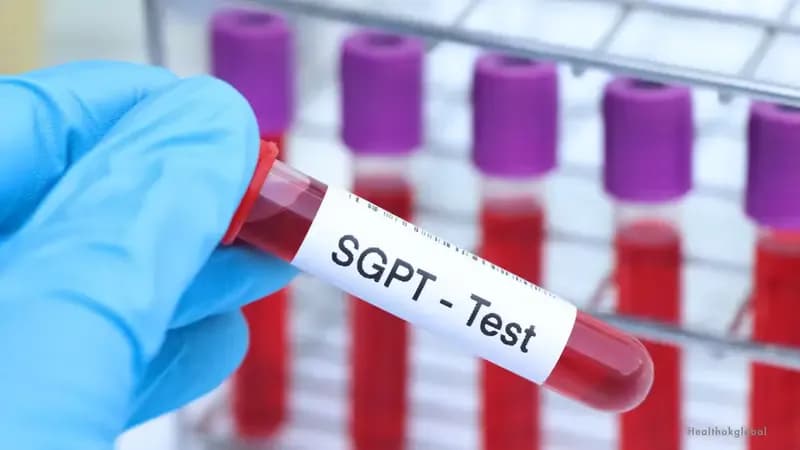
The SGPT blood test, also known as the Alanine Aminotransferase (ALT) test, measures the level of the enzyme alanine aminotransferase in the blood. ALT is primarily found in the liver and plays a critical role in converting proteins into energy for liver cells. Elevated levels of SGPT/ALT in the blood can indicate liver damage or inflammation, making this test a crucial tool in assessing liver health. The SGPT test is often part of a liver function test panel, which includes other tests to provide a comprehensive evaluation of liver function. It is commonly used to diagnose liver conditions, monitor the effectiveness of treatments, and assess the impact of medications on the liver.
The Importance of the SGPT Blood Test
The SGPT blood test is essential for several reasons, particularly in diagnosing and monitoring liver health. Elevated SGPT levels can indicate various liver conditions, including hepatitis, fatty liver disease, cirrhosis, and liver damage due to alcohol or drug use.
The SGPT test helps in the early detection of liver diseases, allowing for timely intervention and treatment.
Diagnosing Liver Diseases:
For patients with existing liver conditions, regular SGPT tests can monitor the effectiveness of treatments and adjust medications as necessary.
Monitoring Treatment:
Certain medications can affect liver function. The SGPT test helps assess any liver damage caused by long-term medication use.
Assessing Medication Impact:
Symptoms Indicating the Need for an SGPT Blood Test
Several symptoms may prompt a healthcare provider to recommend an SGPT test. These symptoms often indicate potential liver issues and warrant further investigation.
Yellowing of the skin and eyes, known as jaundice, is a common sign of liver dysfunction and may necessitate an SGPT test.
Jaundice:
Persistent pain or discomfort in the upper right side of the abdomen can indicate liver problems.
Abdominal Pain:
Chronic fatigue and unexplained weakness are symptoms that may be associated with liver disease.
Fatigue and Weakness:
Changes in urine and stool color can be indicative of liver issues and should be evaluated with an SGPT test.
Dark Urine and Pale Stools:
The SGPT Blood Test Procedure
The SGPT blood test is a straightforward blood test performed to measure the level of alanine aminotransferase in the blood. The procedure involves the following steps:
Generally, no special preparation is required for the SGPT test. Patients may be asked to avoid eating or drinking for a few hours before the test.
1. Preparation:
A healthcare professional will draw a blood sample from a vein, typically in the arm.
2. Blood Sample Collection:
The blood sample is sent to a laboratory for analysis to measure the ALT levels.
3. Laboratory Analysis:
The results are interpreted by a healthcare provider to determine if the ALT levels are within the normal range or elevated.
4. Result Interpretation:
Understanding SGPT Blood Test Results
Interpreting SGPT test results requires an understanding of normal and elevated levels of alanine aminotransferase. Normal ALT levels typically range from 7 to 56 units per liter of blood, but this range can vary slightly depending on the laboratory and patient factors such as age and gender.
An ALT level within the normal range generally indicates healthy liver function.
Normal Range:
Elevated ALT levels suggest liver damage or inflammation. The degree of elevation can provide insights into the severity of the condition.
Elevated Levels:
Elevated ALT levels should be correlated with clinical symptoms and other diagnostic tests for a comprehensive assessment of liver health.
Clinical Correlation:
Causes of Elevated SGPT Levels
Several conditions and factors can cause elevated SGPT levels, indicating liver damage or dysfunction. Common causes include:
Viral hepatitis (A, B, C) can cause significant liver inflammation, leading to elevated ALT levels.
Hepatitis:
Non-alcoholic fatty liver disease (NAFLD) and alcoholic liver disease are common causes of elevated SGPT.
Fatty Liver Disease:
Chronic liver damage and scarring, known as cirrhosis, can result in increased ALT levels.
Cirrhosis:
Certain medications, herbal supplements, and toxins can cause liver damage, reflected in elevated SGPT levels.
Medications and Toxins:
Chronic alcohol consumption can lead to liver damage and elevated ALT levels.
Alcohol Abuse:
Monitoring and Managing Elevated SGPT Levels
Managing elevated SGPT levels involves addressing the underlying cause of liver damage. This may include lifestyle changes, medications, or other treatments depending on the condition.
For conditions like NAFLD, lifestyle changes such as a healthy diet, regular exercise, and weight loss are essential.
Lifestyle Modifications:
For viral hepatitis or other liver diseases, specific medications may be prescribed to manage the condition and reduce liver inflammation.
Medications:
Reducing or eliminating alcohol consumption and avoiding hepatotoxic substances can help lower SGPT levels.
Avoiding Alcohol and Toxins:
Patients with elevated SGPT levels should undergo regular monitoring to assess liver function and adjust treatment as necessary.
Regular Monitoring:
When to See a Doctor
It is important to consult a healthcare provider if you experience symptoms of liver dysfunction or have risk factors for liver disease. Early diagnosis and treatment can prevent complications and improve liver health.
If you experience ongoing symptoms such as jaundice, abdominal pain, or fatigue, seek medical advice..
Persistent Symptoms:
Individuals with risk factors such as chronic alcohol use, obesity, or a history of liver disease should consider regular liver function tests, including the SGPT test.
Risk Factors:
If you are on long-term medications known to affect liver function, regular SGPT tests can help monitor liver health.
Medication Monitoring:
Conclusion
The SGPT blood test is a vital diagnostic tool for assessing liver health and detecting liver damage. Understanding the purpose, procedure, and implications of this test can help individuals recognize potential liver issues and seek timely medical intervention. By maintaining regular check-ups and following prescribed treatments, those with liver conditions can manage their health effectively and improve their quality of life. Understanding the SGPT test and its role in diagnosing liver disorders is crucial for maintaining liver health and overall well-being. Early detection and appropriate management of liver conditions can prevent complications and promote long-term health.
About Zocvi
Zocvi connects patients with verified doctors and evidence-based health guidance. Visit zocvi.com or reach us on WhatsApp at +91-92724-57637.




Comments (0)