How to Test for IBS at Home
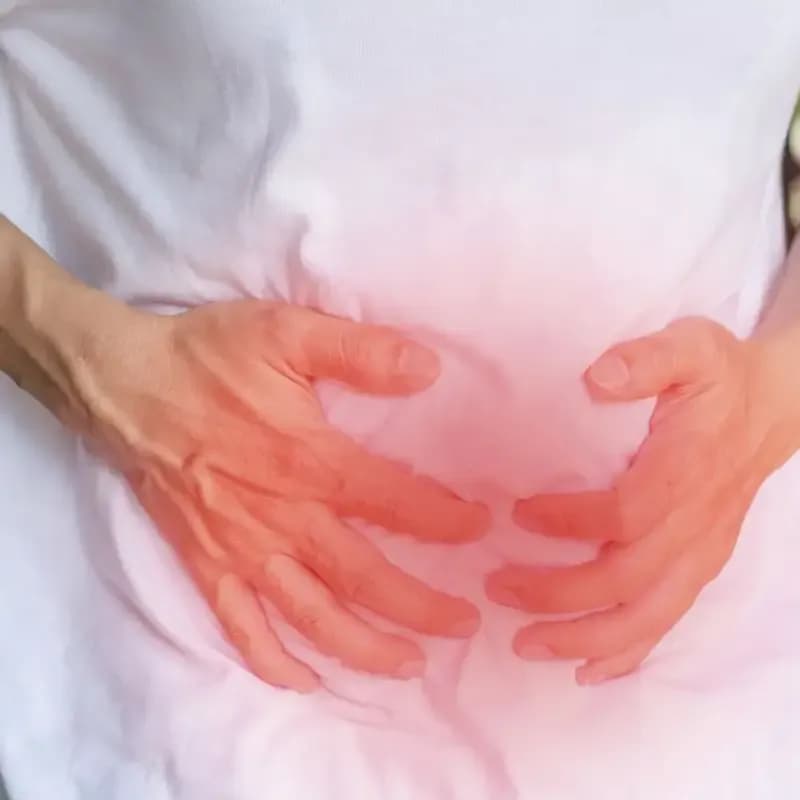
Testing for irritable bowel syndrome (IBS) at home can be a valuable first step in understanding your symptoms and seeking appropriate medical care.

IBS & Functional Disorders covers irritable bowel syndrome, functional dyspepsia, and the chronic gut symptoms that have no structural cause but profoundly affect daily life. Our gastroenterologists and editorial team explain diagnostic criteria, evidence-based dietary approaches (low-FODMAP), medications that help, and the gut-brain axis that explains why stress affects symptoms.
Last reviewed: 10 August 2026
Testing for irritable bowel syndrome (IBS) at home can be a valuable first step in understanding your symptoms and seeking appropriate medical care.

Understanding how diet impacts stress levels is crucial, especially for seniors.

Most cases of loose motion in adults resolve at home in 24-48 hours with ORS, BRAT diet, probiotics, and rest. Here is what actually works, what to avoid, and the specific warning signs that mean it is time to see a doctor rather than continuing home care.

Constipation is a common gastrointestinal condition characterized by infrequent bowel movements, difficulty passing stool, and hard or dry stool consistency.

Constipation is a common digestive issue characterized by infrequent bowel movements, difficulty passing stools, and hard or dry stools.

Constipation nursing diagnosis plays a crucial role in the assessment and management of patients experiencing bowel elimination issues.

Explore the connection between yoga and digestive health. Discover specific yoga poses, their benefits for relieving constipation, and case studies illustrating their effectiveness.

Constipation is a common condition affecting millions worldwide. Learn effective strategies, including dietary changes, natural remedies, and lifestyle habits, for long-term constipation relief and improved digestive health.

Constipation is a common digestive issue that can cause discomfort and inconvenience.

Constipation is a common gastrointestinal issue that affects people of all ages.

Constipation is a prevalent gastrointestinal issue affecting patients across age groups. This blog provides an in-depth guide to creating an effective nursing care plan, complete with assessments, interventions, and follow-ups.

Constipation is a prevalent yet manageable issue in healthcare. Learn how to create an effective nursing care plan for constipation through assessment, intervention, and education.
Constipation is often associated with discomfort in the abdomen, but its effects can extend beyond just the stomach.

Constipation in senior citizens is a prevalent issue that significantly impacts their quality of life.

Indian households have long relied on jeera water, adrak, saunf, methi, and haldi for diarrhoea. Some are genuinely helpful, some are neutral, and a few can make things worse. Here is an evidence-informed guide to which traditional Indian remedies are worth trying.

Experiencing back pain can be a discomforting and puzzling issue, especially when the cause is not immediately apparent.

Loose motion, commonly known as diarrhea, can be an uncomfortable and sometimes embarrassing condition, affecting people of all ages.
Expert answers from our medical team
Irritable Bowel Syndrome is a functional disorder — abdominal pain plus altered bowel habits (diarrhoea, constipation, or both) with no visible damage to the gut. Diagnosis is clinical, based on symptom patterns (Rome criteria) after ruling out other conditions. There's no single blood test or scan. In India, IBS is often over-medicated and under-explained; a good gastroenterologist takes time to explain the diagnosis.
Common triggers include specific foods (a low-FODMAP diet helps many patients), stress, poor sleep, hormonal cycles in women, and gut infections that don't fully clear (post-infectious IBS). Everyone's triggers are different — keeping a food and symptom diary for 2-4 weeks often reveals patterns.
Not cured, but well-managed. Most people with IBS find a combination of dietary changes, stress management, targeted medication for symptoms (antispasmodics for pain, fibre or laxatives for constipation, anti-diarrhoeals for loose stools), and sometimes low-dose antidepressants — which act on the gut-brain axis — brings symptoms under control. Cognitive behavioural therapy and gut-directed hypnotherapy have solid evidence for IBS too.
It's the most evidence-backed dietary approach for IBS, but it's a temporary elimination and reintroduction process — not a permanent diet. Doing it right needs a dietitian familiar with FODMAPs (many foods common in Indian diets — wheat, onions, garlic, some pulses — are high FODMAP). Poorly done, it becomes unnecessarily restrictive.
No. IBS is a real, physical condition — the gut is genuinely oversensitive and the muscle contractions are genuinely abnormal. What's true is that the gut and brain are tightly connected: stress worsens symptoms, and symptoms worsen stress. Treating both sides of that loop — dietary and physical, plus stress and mood — usually works better than either alone.
Questions from our community members
Ask our medical community. Your question may help others with similar concerns.
Verified specialists across India
