
Introduction
Kidney disease itching, also known as uremic pruritus, is a common symptom experienced by individuals with chronic kidney disease (CKD). It is characterized by persistent itching of the skin, which can range from mild to severe and significantly impact a person's quality of life. Understanding the causes and management of kidney disease itching is essential for improving patient outcomes and reducing discomfort.
Causes of Kidney Disease Itching
The exact cause of kidney disease itching is not fully understood, but several factors may contribute to its development. One possible explanation is the buildup of toxins and waste products in the bloodstream, known as uremia, which occurs when the kidneys are unable to effectively filter waste from the blood. Uremic toxins can irritate the skin and trigger itching. Additionally, imbalances in calcium and phosphorus levels, dry skin, nerve damage, and inflammation may also play a role in causing or exacerbating itching in individuals with kidney disease.
Symptoms of Kidney Disease Itching
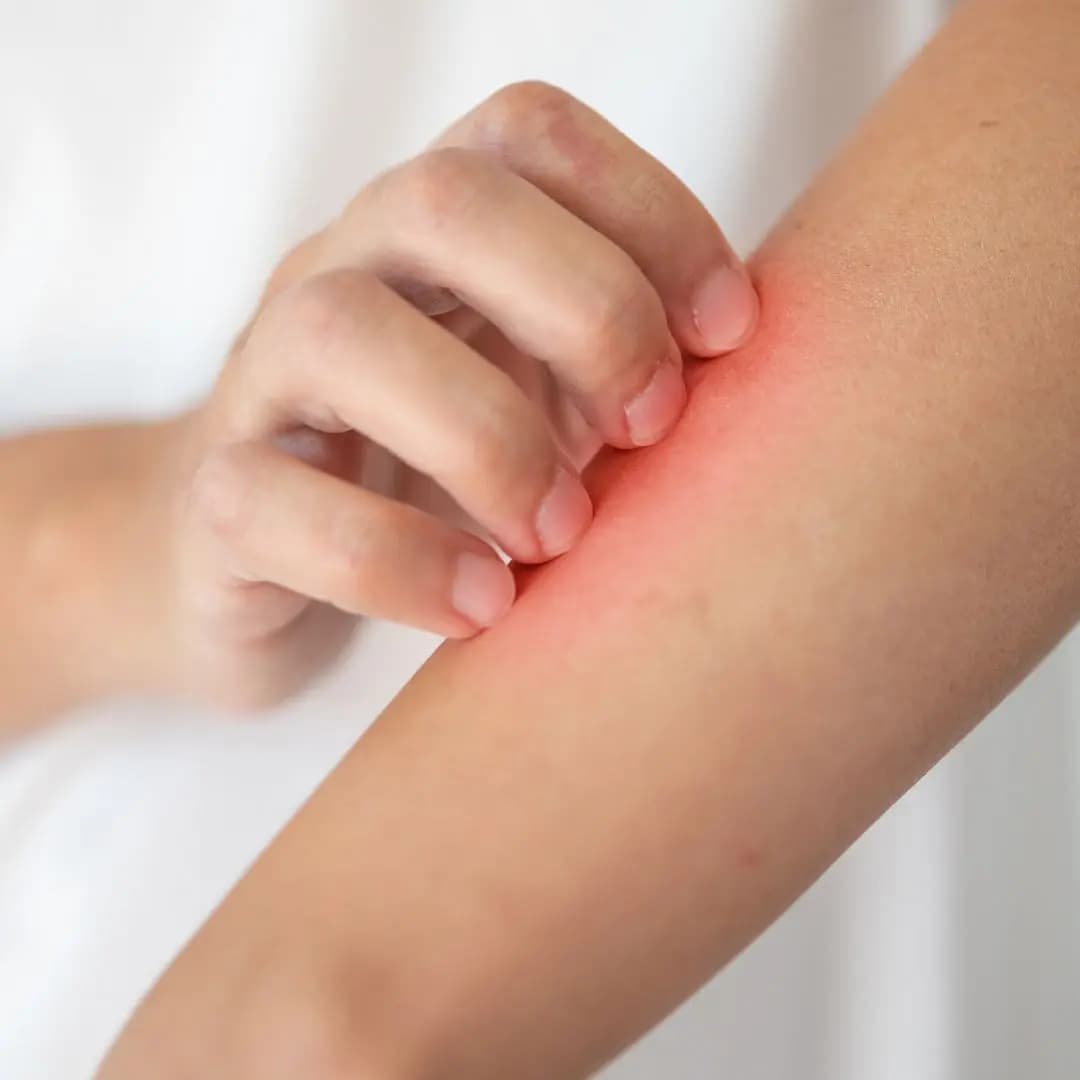
Kidney disease itching typically presents as persistent itching of the skin, which may be localized or generalized and can vary in intensity from mild to severe. The itching may worsen at night or after exposure to heat, and scratching can lead to skin irritation, redness, and even infection. In some cases, kidney disease itching may be accompanied by other symptoms such as dry skin, changes in skin texture, or restless sleep due to discomfort.
Impact on Quality of Life
Kidney disease itching can have a significant impact on a person's quality of life, leading to physical discomfort, psychological distress, and sleep disturbances. Chronic itching can interfere with daily activities, work, social interactions, and overall well-being, contributing to feelings of frustration, anxiety, and depression. Managing kidney disease itching effectively is crucial for improving quality of life and patient satisfaction.
Treatment Options for Kidney Disease Itching
Treatment for kidney disease itching aims to alleviate symptoms, reduce skin irritation, and improve overall comfort. Management strategies may include addressing underlying kidney disease through medications, dietary changes, and dialysis to help remove toxins from the bloodstream. Additionally, topical treatments such as moisturizers, emollients, and anti-itch creams may help soothe dry, irritated skin and relieve itching. In some cases, medications such as antihistamines, corticosteroids, or gabapentin may be prescribed to control itching and improve sleep.
Lifestyle Modifications to Manage Itching
In addition to medical treatment, certain lifestyle modifications can help manage kidney disease itching and promote skin health. These may include maintaining good hydration by drinking an adequate amount of fluids, avoiding hot baths or showers that can worsen itching, using mild, fragrance-free skin care products, and wearing loose, comfortable clothing made of breathable fabrics. Practicing good skin hygiene, avoiding scratching, and keeping nails trimmed short can also help prevent skin damage and infections.
Importance of Regular Medical Follow-Up
Individuals experiencing kidney disease itching should seek prompt medical evaluation and follow-up with their healthcare provider for proper diagnosis and management. Regular monitoring of kidney function, blood chemistry, and skin health is essential for identifying any changes or complications and adjusting treatment as needed. Open communication with healthcare providers can help ensure comprehensive care and symptom relief for individuals with kidney disease itching.
Conclusion
Kidney disease itching is a distressing symptom commonly experienced by individuals with chronic kidney disease. Understanding the causes, symptoms, and treatment options for kidney disease itching is essential for effectively managing this condition and improving patient quality of life. By addressing underlying kidney disease, implementing appropriate treatment strategies, and making lifestyle modifications, individuals can alleviate itching, reduce discomfort, and maintain skin health.










Comments (0)