

Introduction
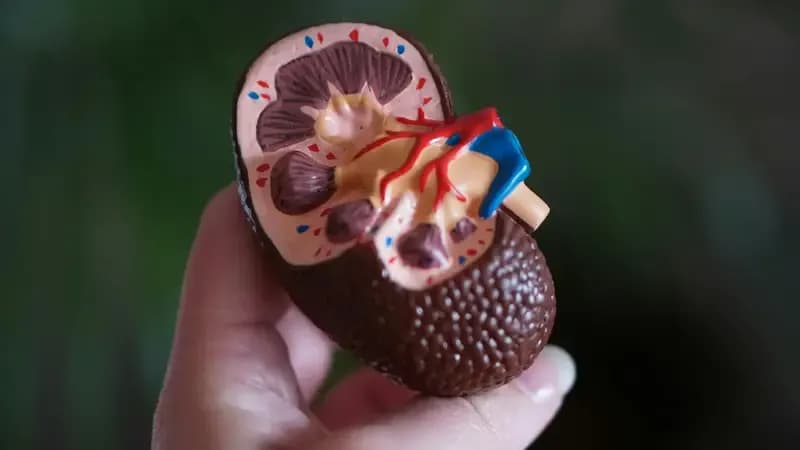
Kidney disease, also known as renal disease, refers to conditions that impair kidney function, leading to various complications. It can be caused by underlying health conditions such as diabetes, high blood pressure, and autoimmune disorders, as well as lifestyle factors like smoking and obesity. Kidney disease affects the body's ability to filter waste and excess fluids from the blood, resulting in the buildup of toxins and electrolyte imbalances.
The Link Between Kidney Disease and Nail Changes
Nail changes are common in individuals with kidney disease and can serve as important indicators of the condition's progression. Some common nail abnormalities associated with kidney disease include half-and-half nails, Beau's lines, and nail discoloration. Understanding these changes can help healthcare providers diagnose kidney disease early and implement appropriate treatment strategies.
Half-and-Half Nails
Half-and-half nails, also known as Lindsay's nails, are characterized by a white discoloration at the proximal end (near the cuticle) and a dark band at the distal end (towards the tip) of the nail. This condition is believed to result from a combination of altered blood flow and changes in the structure of the nail bed. Half-and-half nails are commonly observed in individuals with chronic kidney disease and may indicate the presence of uremia.
Beau's Lines
Beau's lines are transverse depressions or ridges that appear across the nail plate and are often associated with systemic illnesses or severe stressors. In individuals with kidney disease, Beau's lines may develop as a result of interruptions in the growth of the nail matrix caused by metabolic imbalances or vascular changes. These lines can serve as markers of acute kidney injury or chronic kidney disease progression.
Nail Discoloration
Changes in nail color, such as yellowing or darkening, can occur in individuals with kidney disease due to the accumulation of waste products in the bloodstream. Additionally, conditions like hemodialysis and iron deficiency anemia, which are common in kidney disease patients, can further contribute to nail discoloration. Monitoring changes in nail color can help healthcare providers assess kidney function and adjust treatment plans accordingly.
Managing Nail Changes in Kidney Disease Patients
While nail changes associated with kidney disease may not always be preventable, certain measures can help minimize their severity and impact. Maintaining good nail hygiene, avoiding trauma or injury to the nails, and staying well-hydrated are essential steps in caring for kidney disease nails. Additionally, addressing underlying kidney disease through medications, lifestyle modifications, and dialysis can help improve overall nail health.
Dietary and Lifestyle Recommendations
Incorporating kidney-friendly foods into the diet, such as fruits, vegetables, whole grains, and lean proteins, can support kidney function and promote nail health. Avoiding excessive salt, phosphorus, and potassium intake is also important for managing kidney disease symptoms. Furthermore, maintaining a healthy weight, exercising regularly, and avoiding smoking can help protect kidney health and prevent further complications.
Consultation with a Healthcare Professional
If you notice any changes in your nails or experience symptoms of kidney disease, it's essential to consult with a healthcare professional for evaluation and management. Your doctor can perform diagnostic tests, such as blood and urine tests, imaging studies, and kidney biopsies, to assess kidney function and determine the appropriate course of treatment.
Conclusion
Nail changes can serve as valuable indicators of underlying kidney disease and should not be overlooked. By understanding the relationship between kidney disease and nail abnormalities, individuals can take proactive steps to monitor their nail health, seek timely medical intervention, and implement strategies to manage kidney disease effectively. Working closely with healthcare providers and adopting kidney-friendly lifestyle habits are essential for promoting overall well-being and maintaining optimal nail health.








Comments (0)